
Filters
3 products
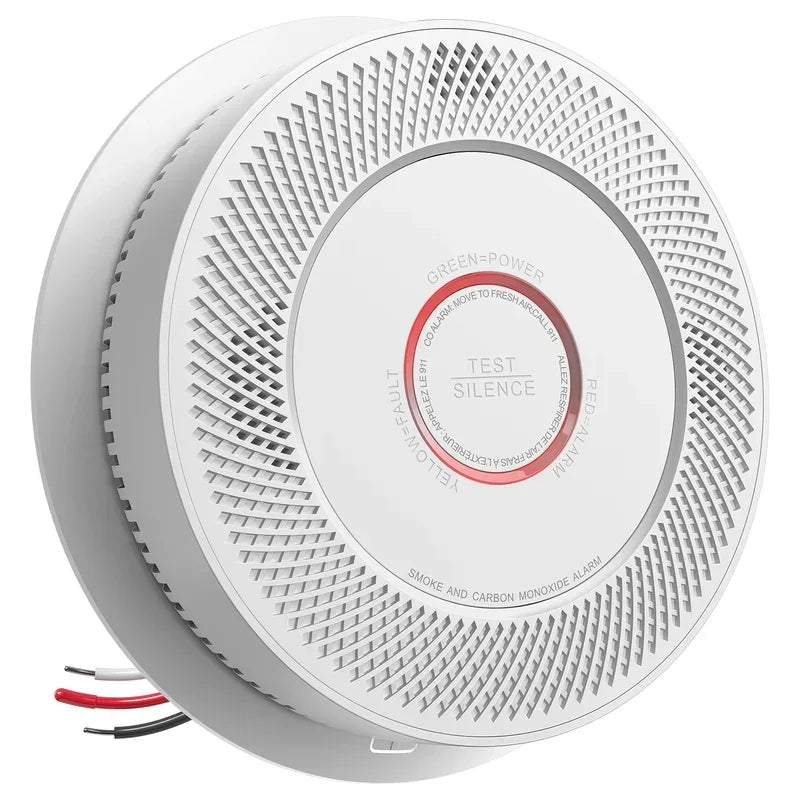
Hardwired Interconnected Detector FAQs
Common questions about hardwired and interconnected smoke and CO systems.
What is the difference between wired and wireless interconnected detectors?
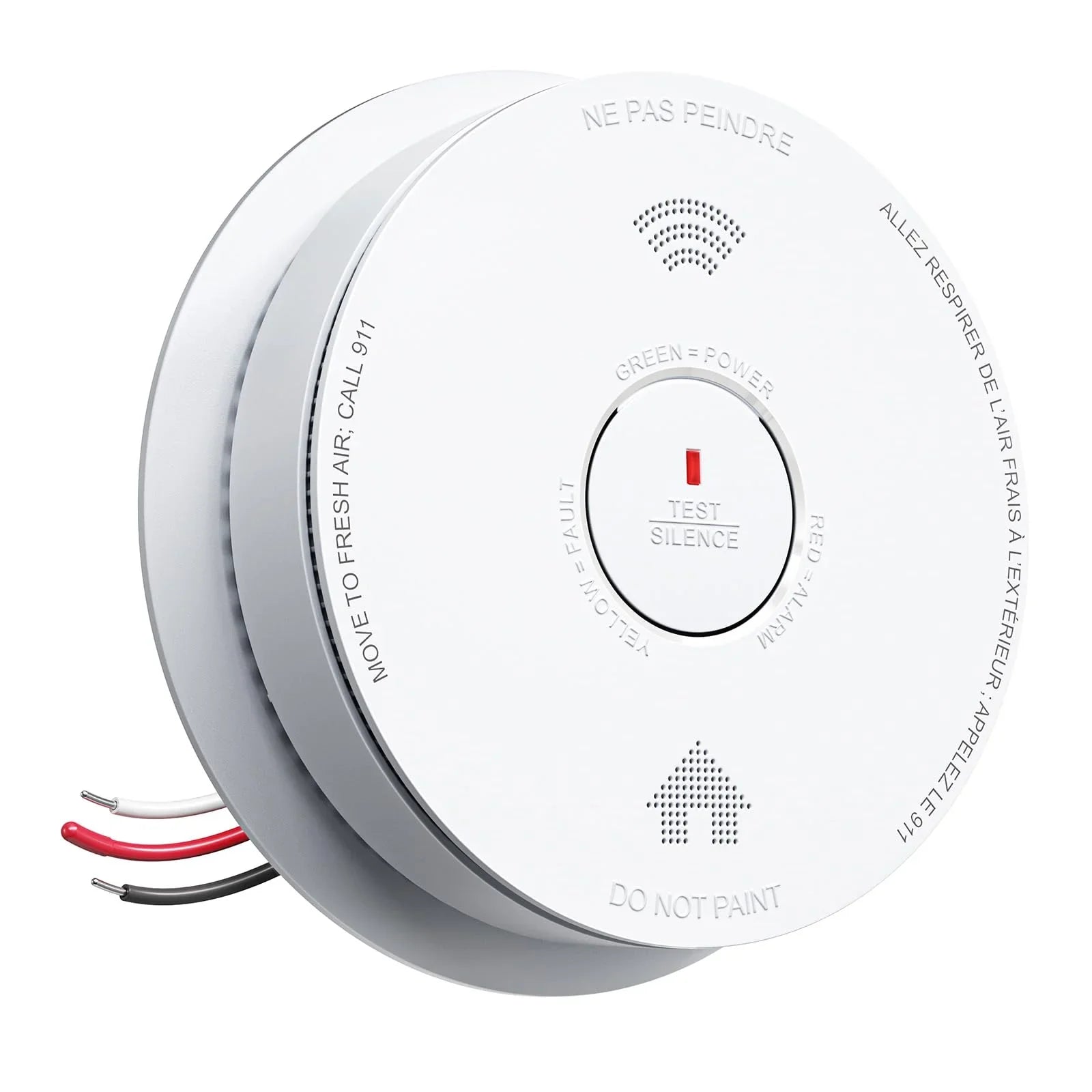
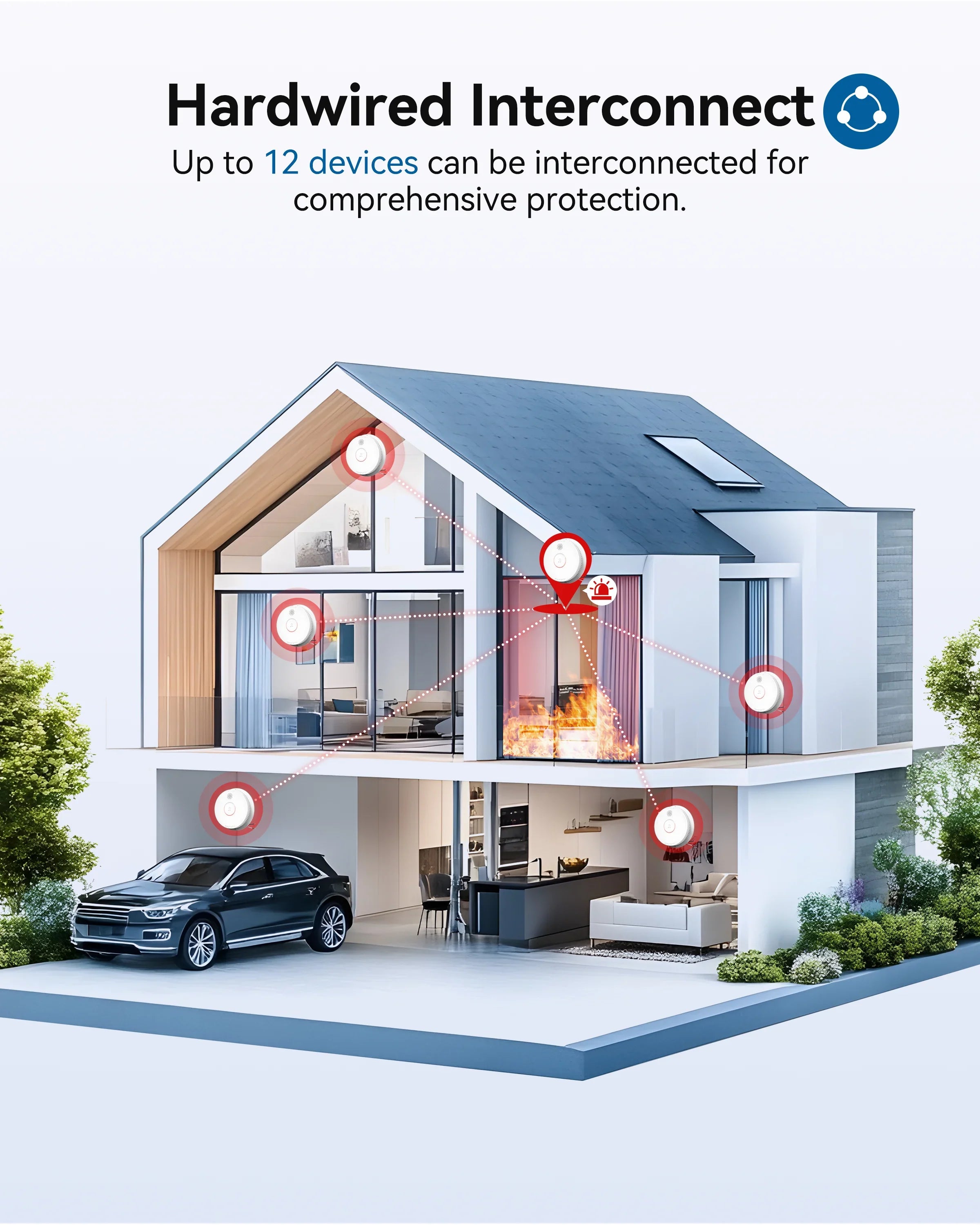
Wired interconnection runs a low-voltage cable between alarms so every unit sounds when one senses trouble. It is the most stable link, but it requires an electrician and existing wiring. Wireless interconnection uses radio, so you can install units today and add more anywhere without rewiring. New construction usually goes hardwired; existing homes adding coverage often start wireless. The GS562A is hardwired; the GS886A-3RFDT is wireless, and both can protect the same home.
How do you install a hardwired interconnected smoke detector?
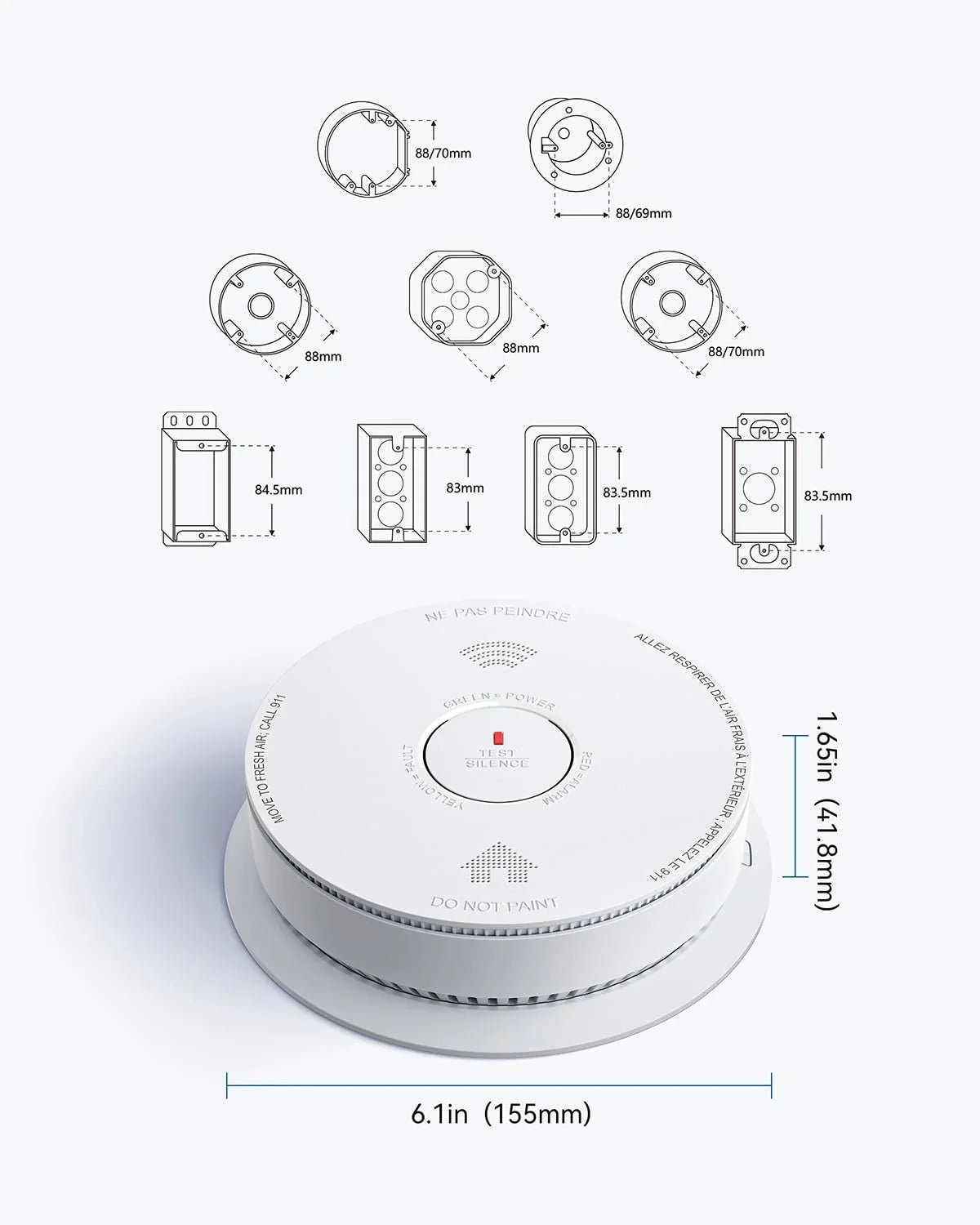
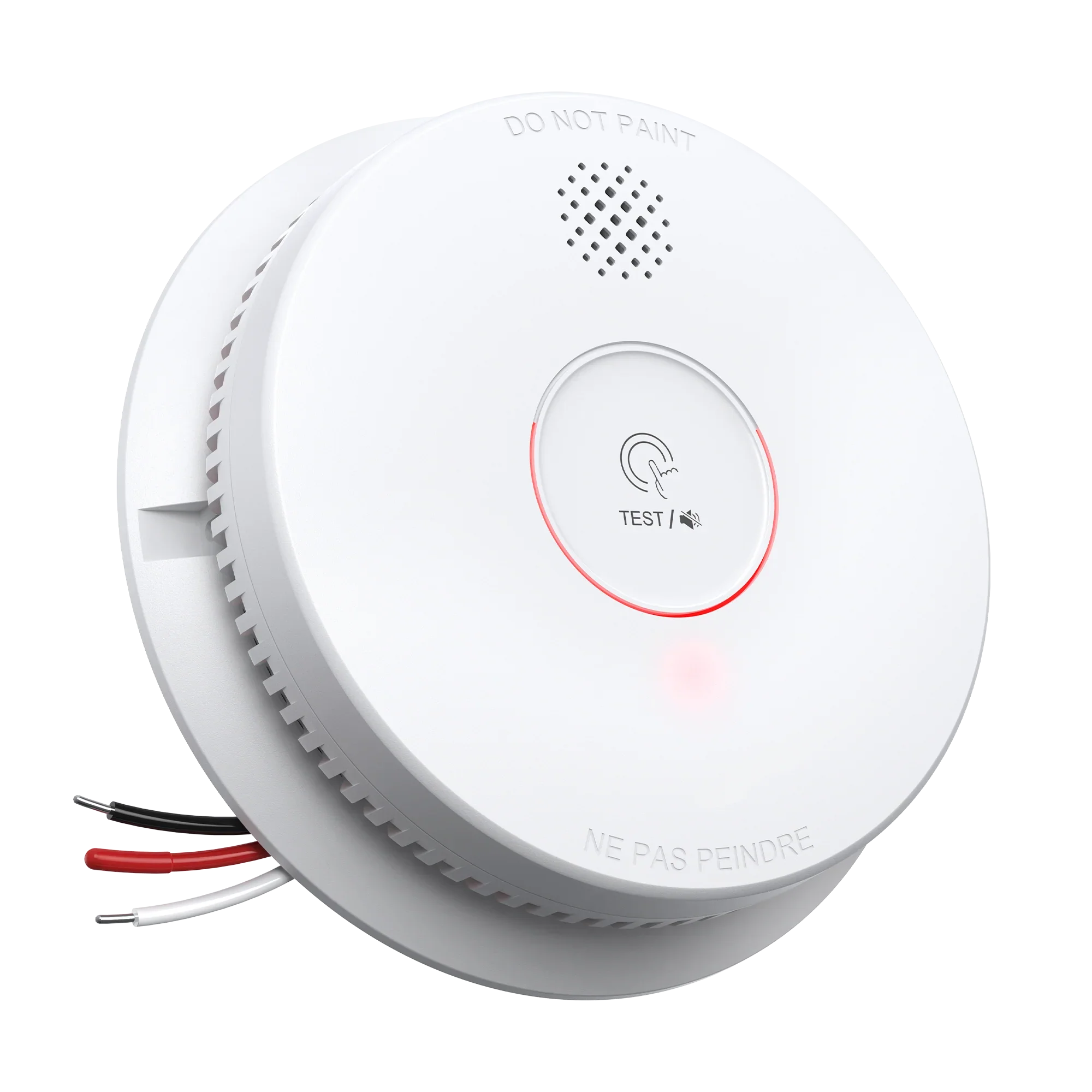
Turn off the circuit breaker feeding the alarm circuit, disconnect the old detector's power leads, remove it from the mounting bracket, and connect the new hardwired unit to the same leads. Restore power and press test; the whole interconnected loop should activate. Because this is live 120V wiring, hire a licensed electrician if you are not comfortable working with mains. The GS562A and GS886A-3WCAR replace existing wired alarms directly.
Do hardwired detectors work during a power outage?
Yes. Hardwired detectors run on the 120V line but carry a battery backup that takes over when power drops. The GS562A uses a 9V backup battery with about one year of service; the GS886A-3WCAR uses 2 AA batteries as backup. This matters because outages are exactly when CO risk rises from backup generators and unattended furnaces. Test the backup with the test button after an outage to confirm the unit will still sound.
Can I replace a battery smoke detector with a hardwired one?
If your home already has a hardwired loop, you can replace existing wired heads with hardwired models like the GS562A directly. If you only have battery detectors and no wiring, adding hardwired units means running new cable, which needs an electrician. In that case, wireless interconnected models give you whole-home coverage without rewiring.
How long do hardwired smoke detectors last?
Like all detectors, hardwired units should be replaced every 10 years even if they still sound, because the sensor degrades. The backup battery, however, is replaced more often: 9V batteries roughly once a year. On the GS886A-3WCAR, the 10-year figure refers to product service life, not battery life. The date of manufacture is printed on the side of each unit; if it is over 10 years old, replace the whole head.
Do interconnected detectors make all alarms sound at once?
Yes, that is the point of interconnection. When one unit senses smoke or CO, every unit on the loop or network sounds simultaneously, giving you early warning anywhere in the home. Our hardwired models link 12 to 18 alarms depending on the model, and wireless models join the same network by radio. A single test button verifies the whole home rather than testing room by room. See why interconnected smoke alarms matter.