
Filters
5 products

Smoke and CO Detector FAQs
Common questions about 2-in-1 combination alarms: choosing, placing and maintaining them.
Do I need separate smoke and carbon monoxide detectors?
You can run them separately, but a 2-in-1 combination alarm is simpler, cheaper to install and covers both threats in one device. A combination unit is the right choice for rooms near fuel-burning appliances and for any home with a garage, basement furnace or generator. It also means one mounting point, one battery and one interconnected network instead of two.
What is a 2-in-1 smoke and CO detector?
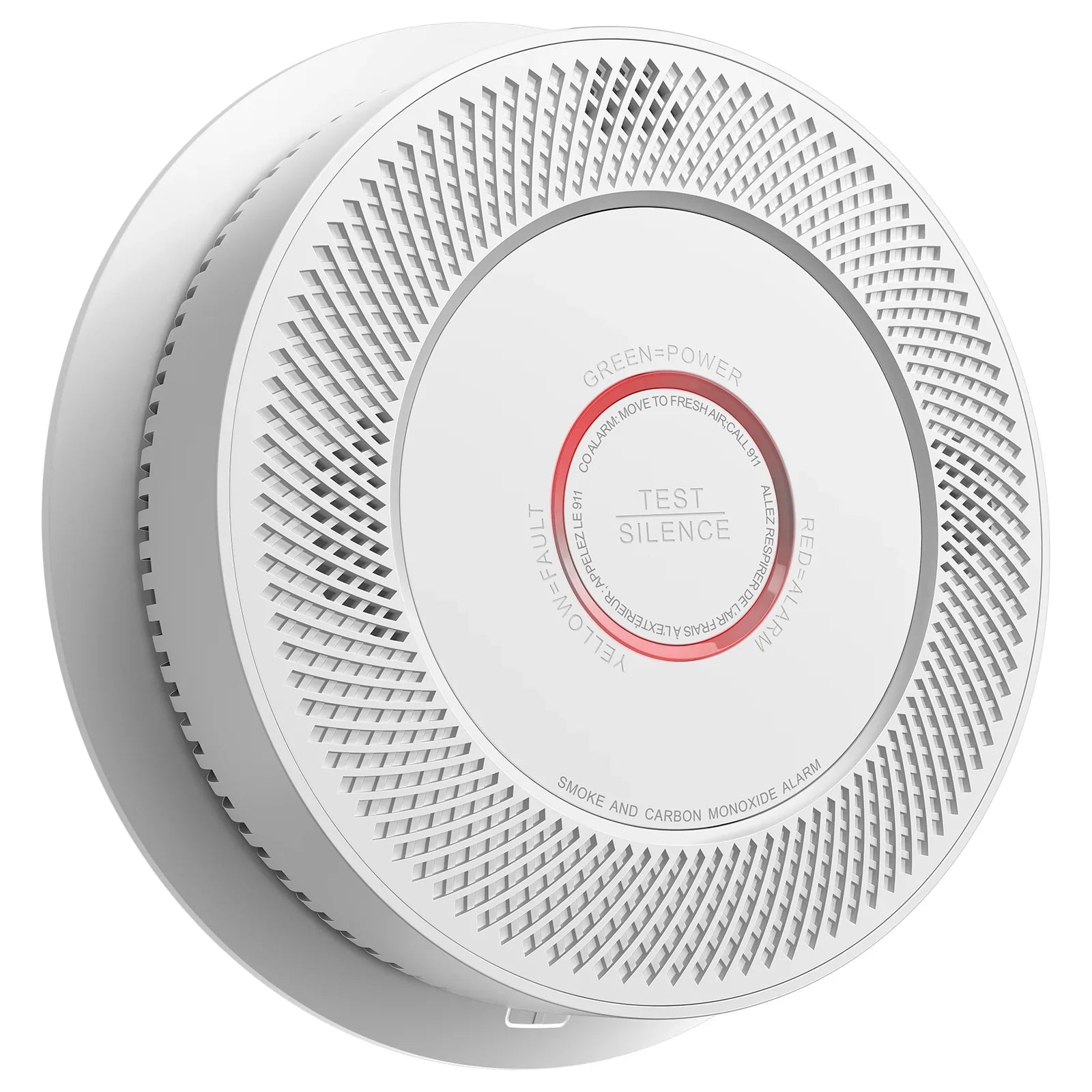
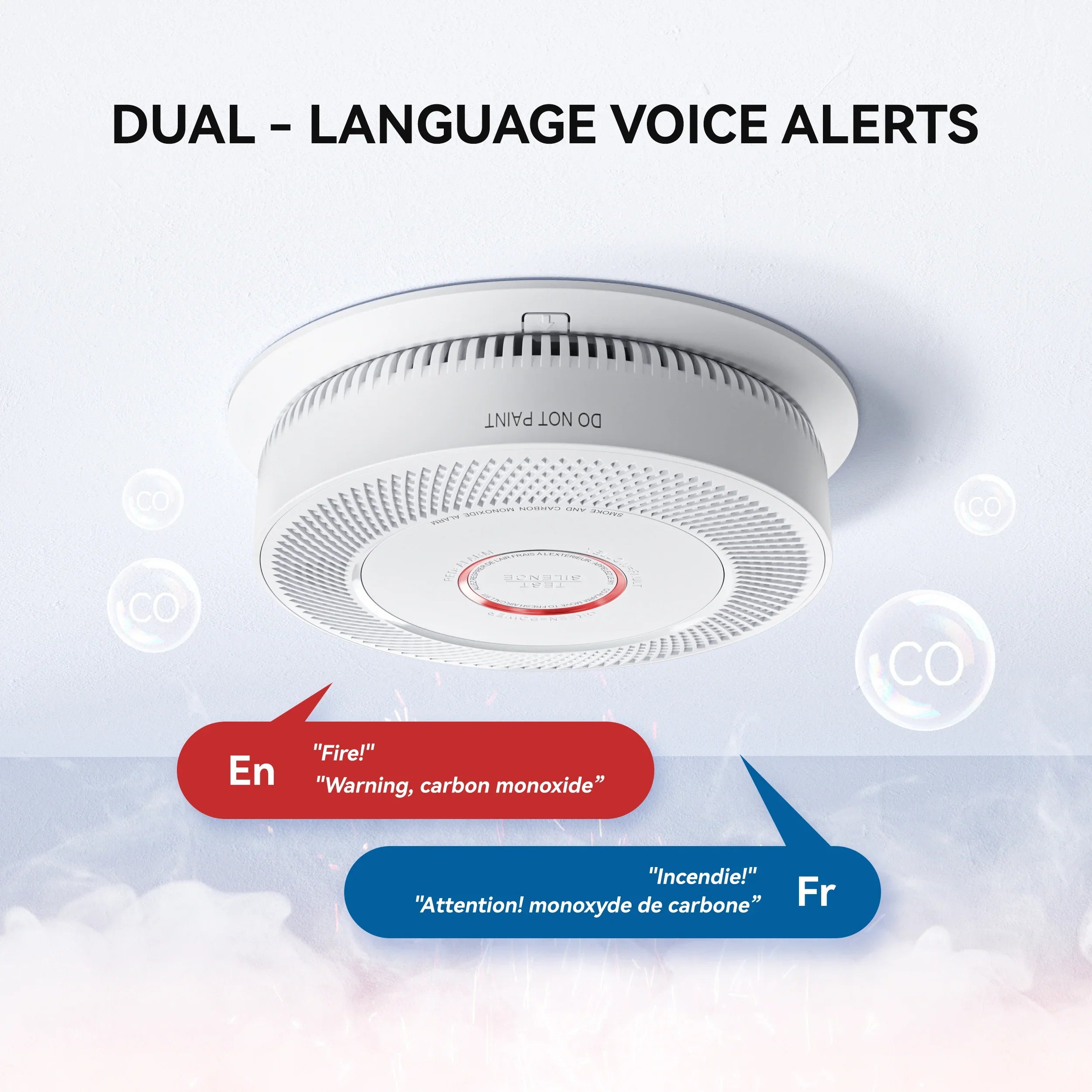
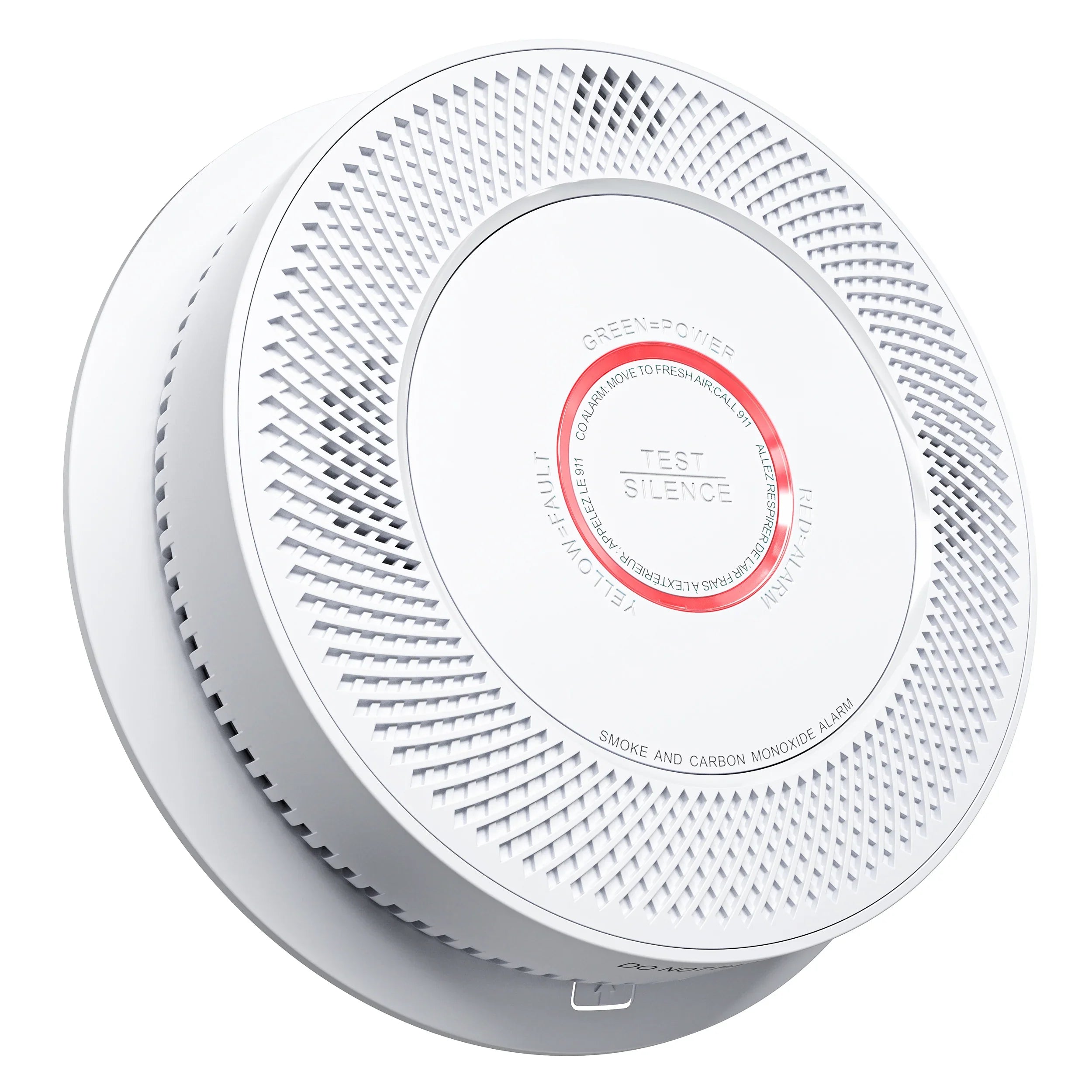
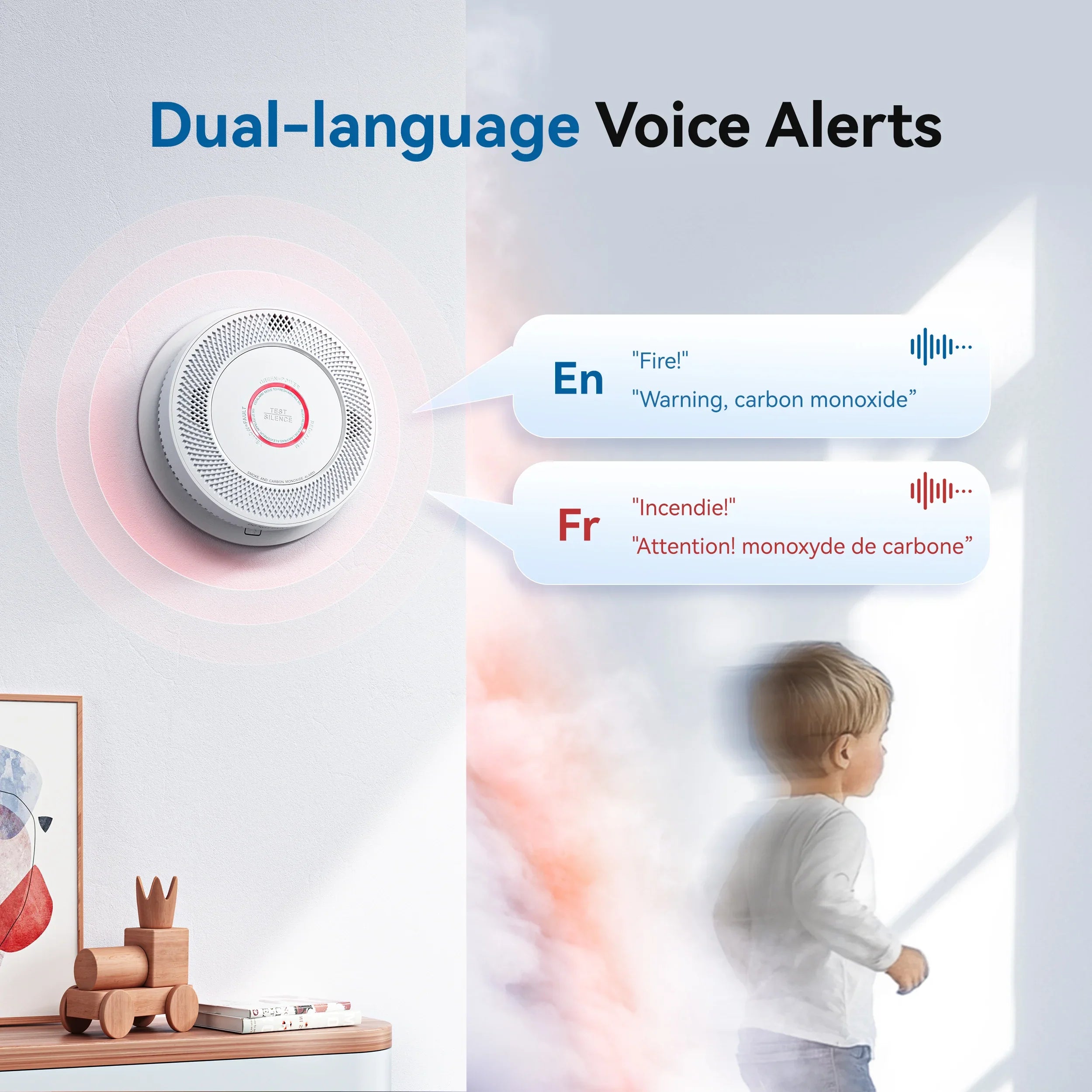
A 2-in-1 smoke and CO detector is a single alarm that detects both fire smoke (via a photoelectric sensor) and carbon monoxide (via an electrochemical sensor) and sounds one alarm for either threat. The advantage over two separate units is a single mounting point and one interconnected network instead of two. Selected SITERWELL combination alarms add bilingual voice alerts, so you know whether it is smoke or CO without getting up at 3 a.m.
Where should a smoke and CO combo detector be installed?
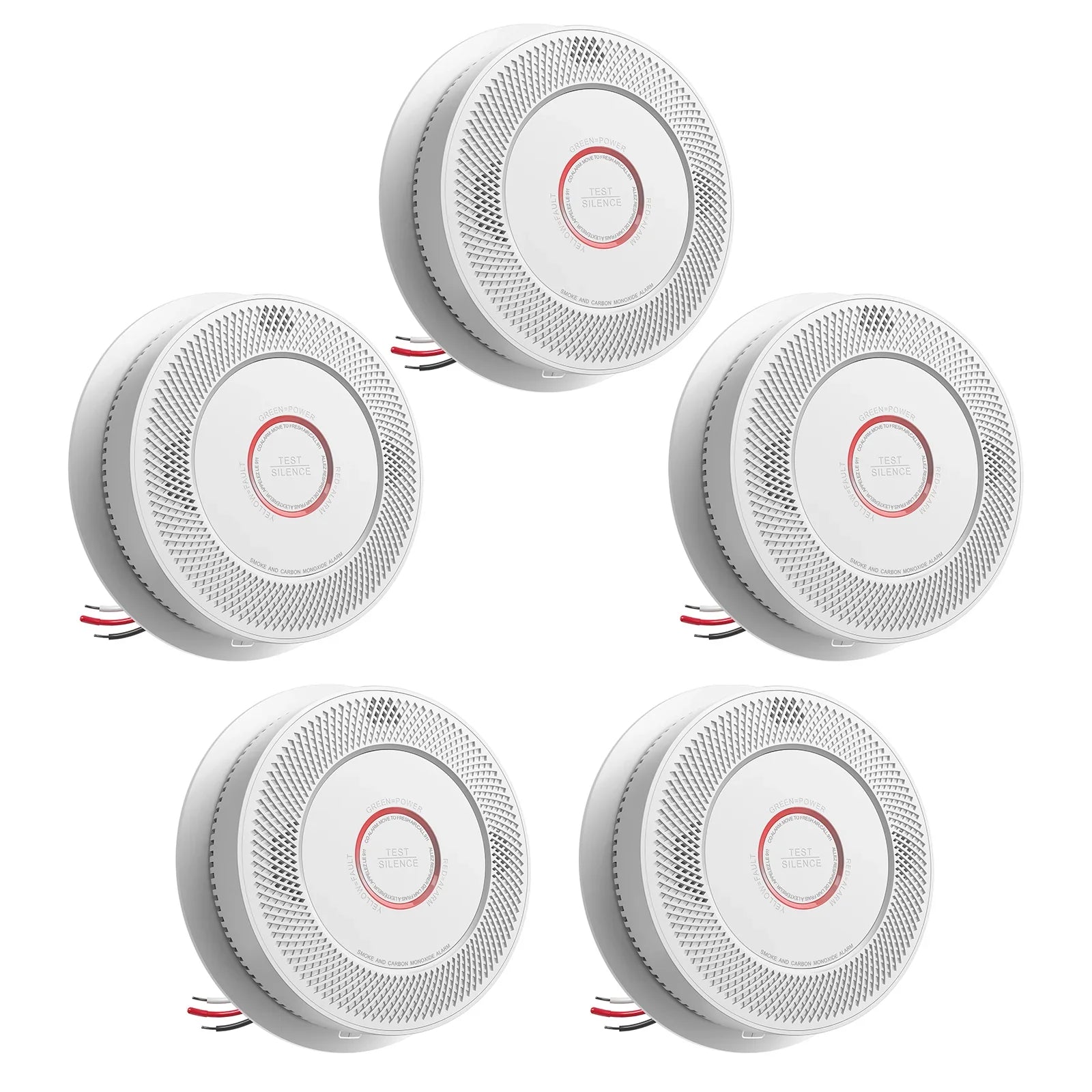
Install combo alarms on every level of your home, one outside each sleeping area, and one inside each bedroom with closed doors. Avoid the kitchen and locations directly above vents, where cooking steam can cause nuisance alarms. Many building codes also require CO coverage near attached garages and fuel-burning appliances, which a combo unit covers in the same device. Our wireless interconnected models make adding units anywhere as simple as powering them on. For room-by-room guidance, see where to install a smoke and CO combo alarm.
How long does a 2-in-1 smoke and CO detector last?
Most 2-in-1 detectors have a 10-year service life. The GS886-H02 and the wireless models in the A8612B family ship with a built-in lithium battery rated for 10 years, so there are no battery changes for a decade. At the end of service life the unit chirps a distinct pattern, and the correct action is to replace the whole detector rather than the battery, because the sensors degrade with age. Set a calendar reminder at purchase for the replacement year.
Can wireless and hardwired combination detectors work together?
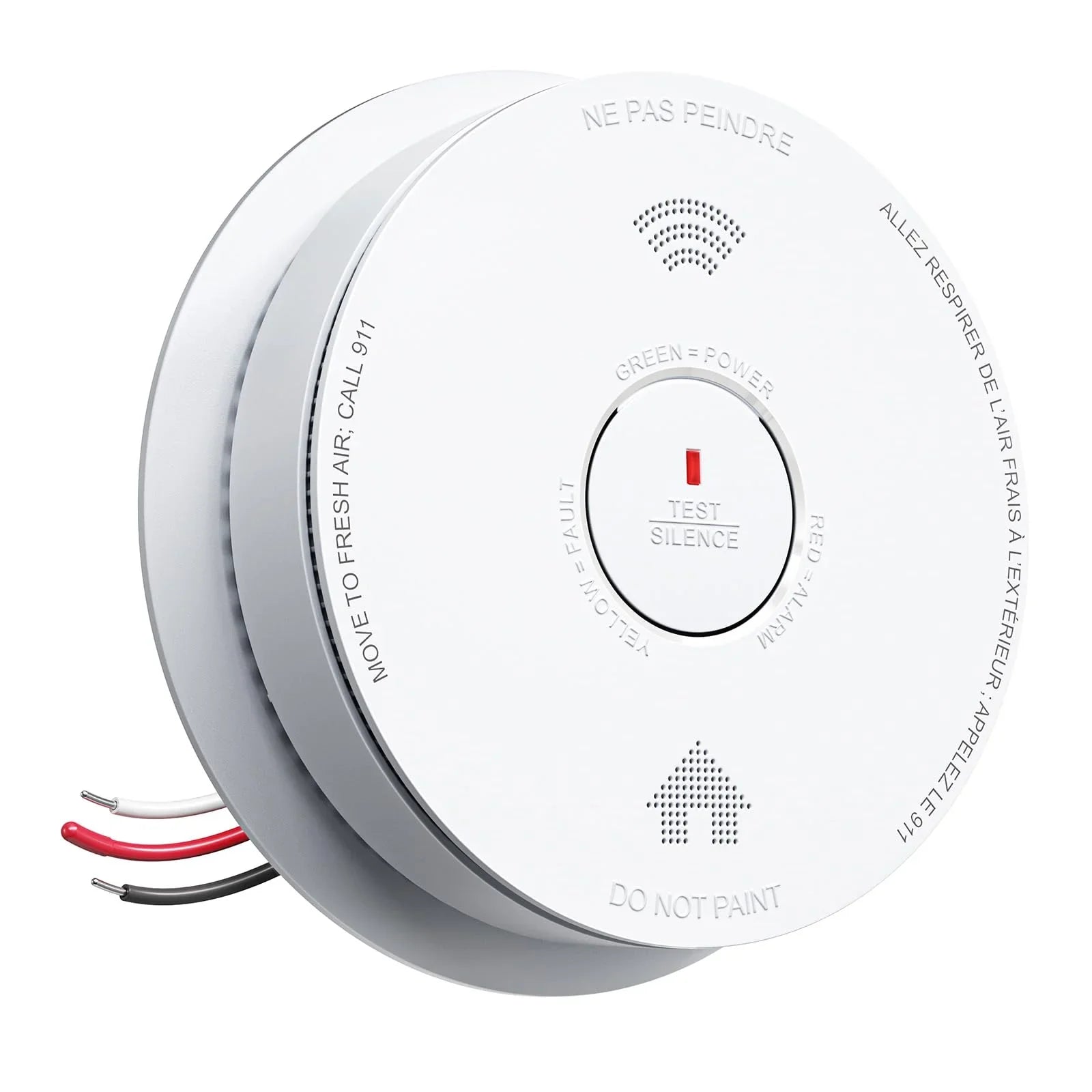
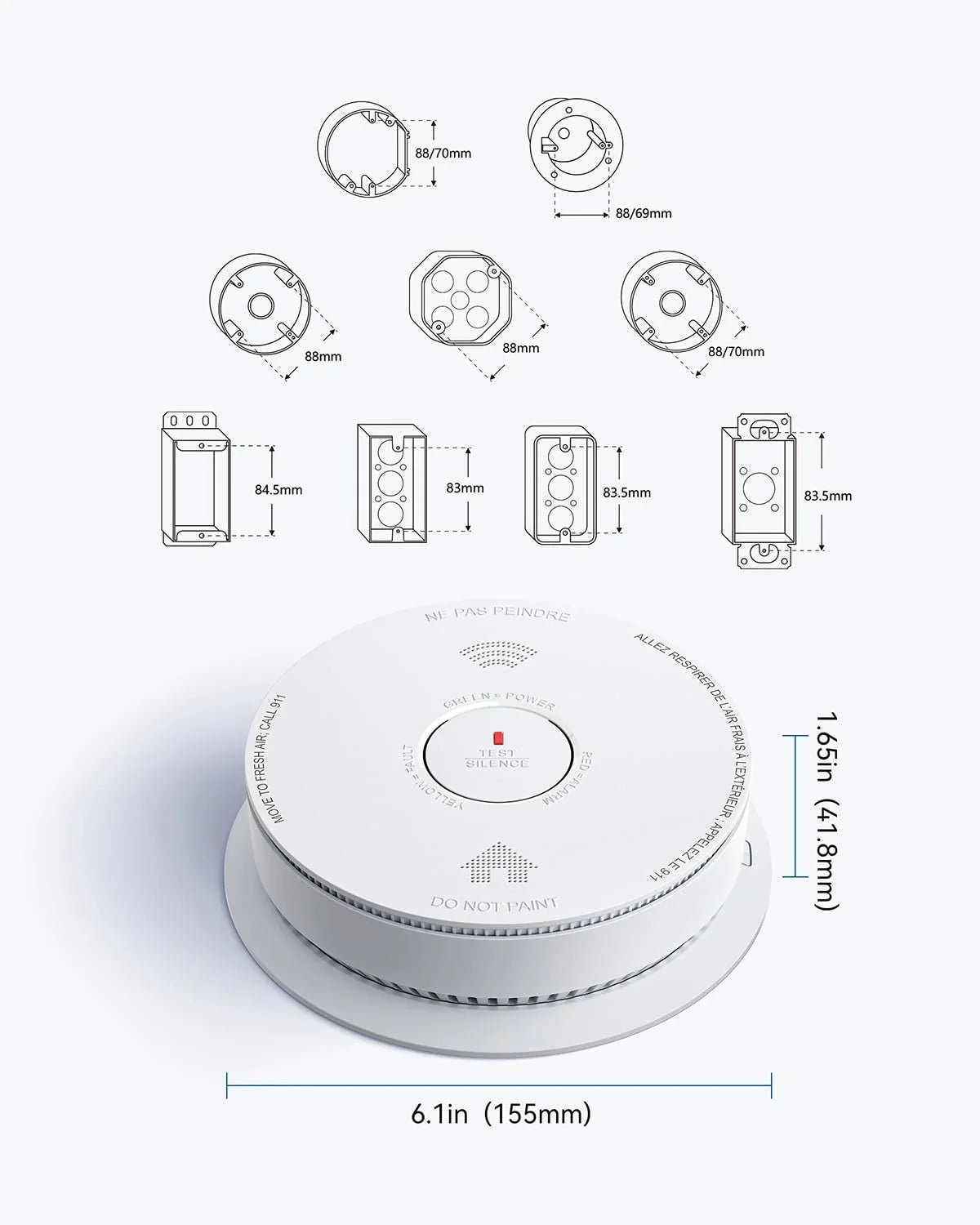
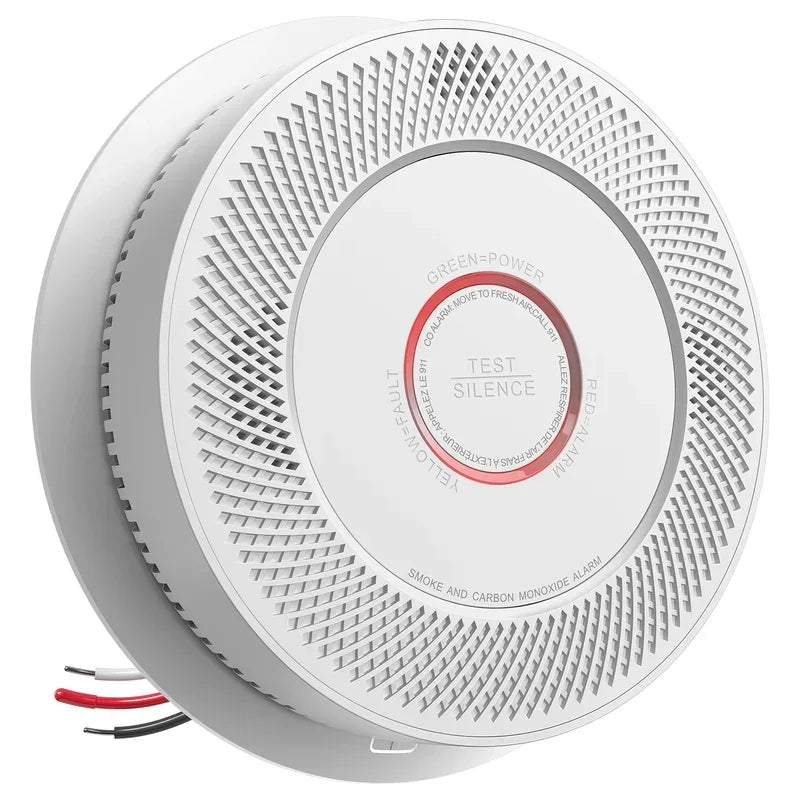
Within the SITERWELL GS886 family, yes. The GS886A-3RFDT is wireless, so it installs without rewiring, while the GS886A-3WCAR hardwires to your 120V lines. Both share the same interconnect protocol and can be mixed in one home: hardwired units in the kitchen and hallway, wireless units in bedrooms. When one detects smoke or CO, the whole network sounds together.
Why is my combo detector beeping?
A chirping or beeping combo detector usually means one of three things: low battery (typically one chirp every 30 seconds), a specific alarm pattern indicating smoke or CO, or end-of-life (continuous chirps). Check the pattern against your manual first. On a sealed 10-year unit, persistent chirping almost always means the unit has reached end of life and must be replaced, not re-batteried. Rule out smoke, steam and CO first, then test the unit with its test button. See why carbon monoxide detectors beep for common patterns.