
Filters
2 products
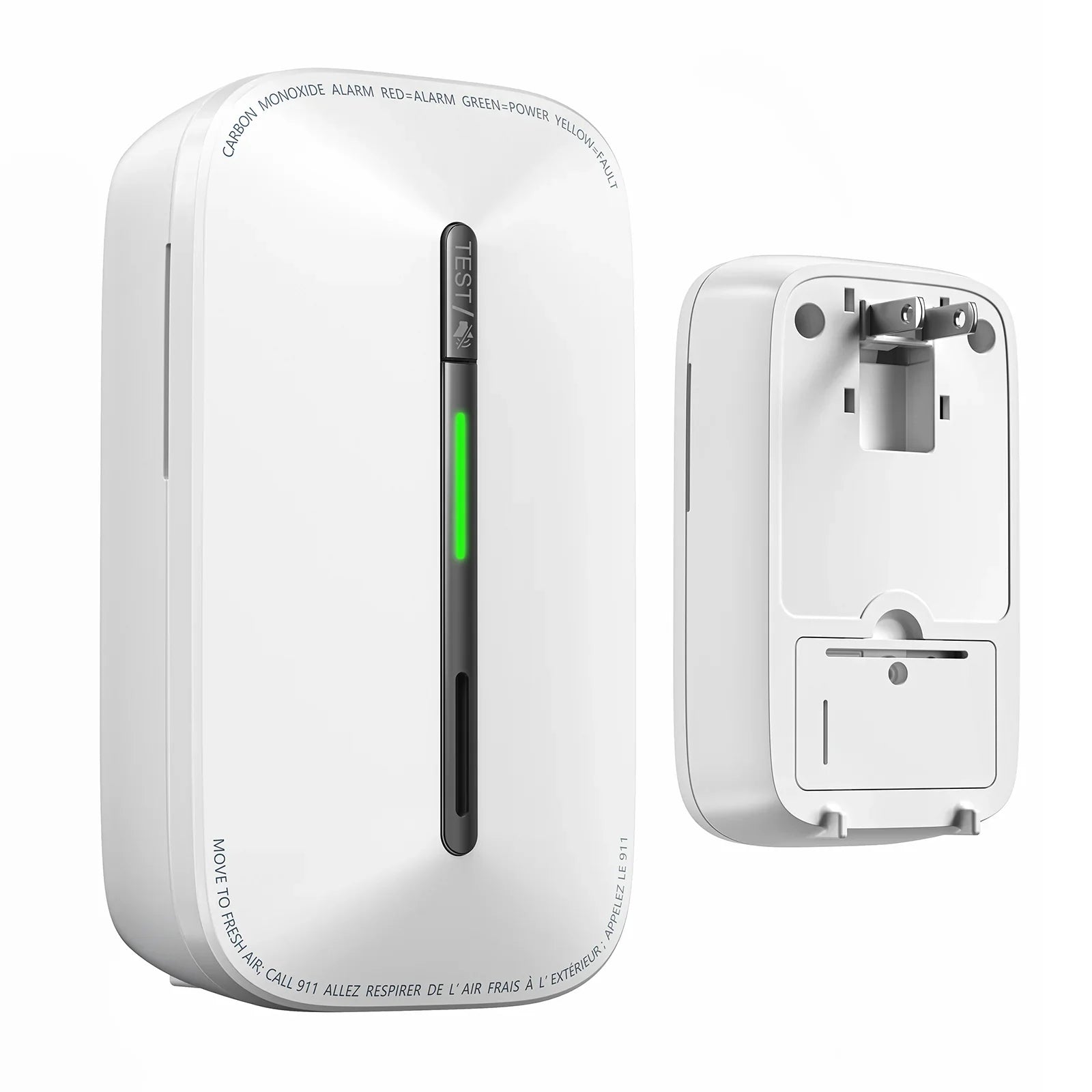

Compare SITERWELL carbon monoxide alarms
| Model | Power source | Type | Sensor | Best for | Price |
|---|---|---|---|---|---|
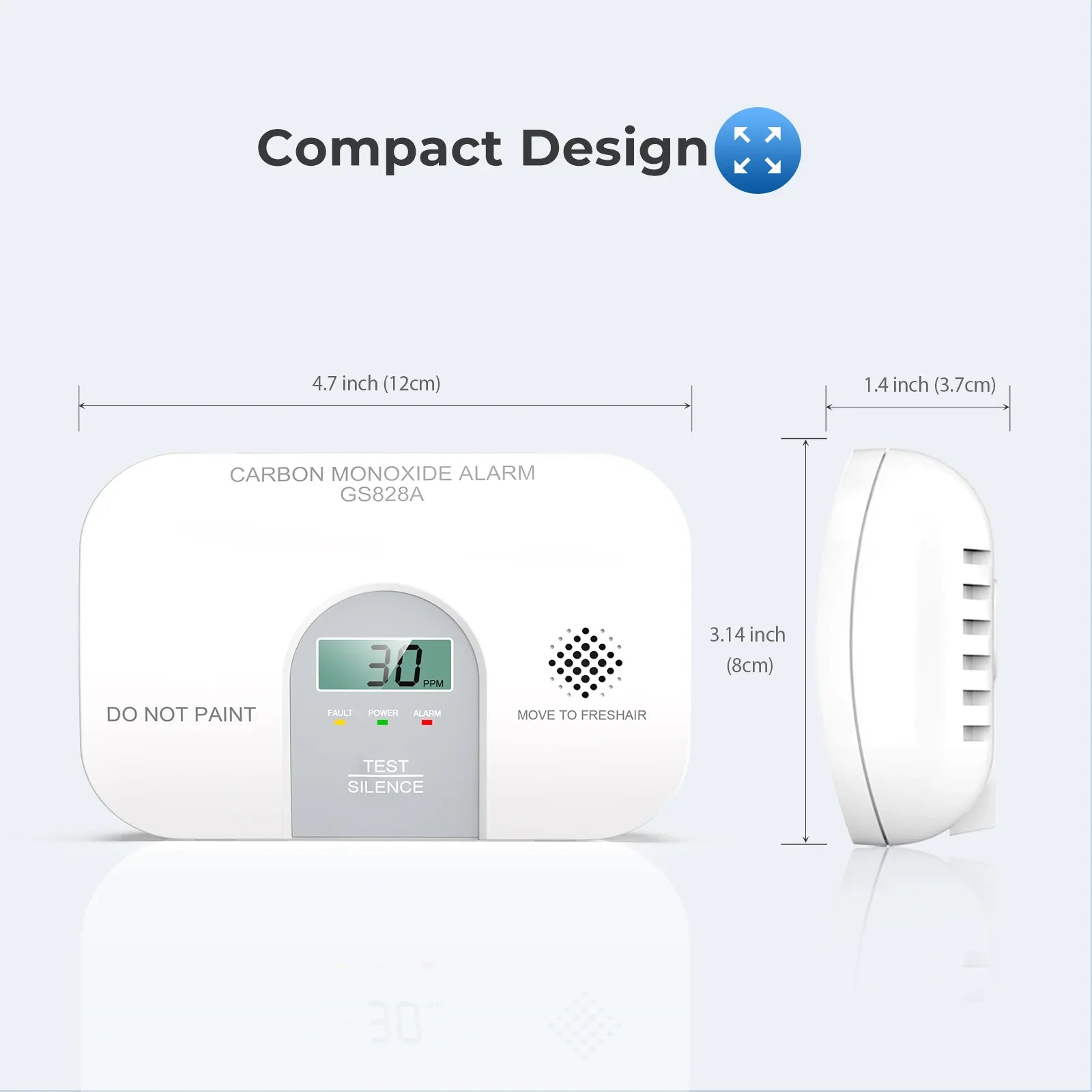
| GS828A | 2×AA batteries (3-year battery life) | Desktop or wall-mount | Electrochemical (UL 2034 sensitivity) | Bedrooms, hallways and every level of the home | $20.79 |
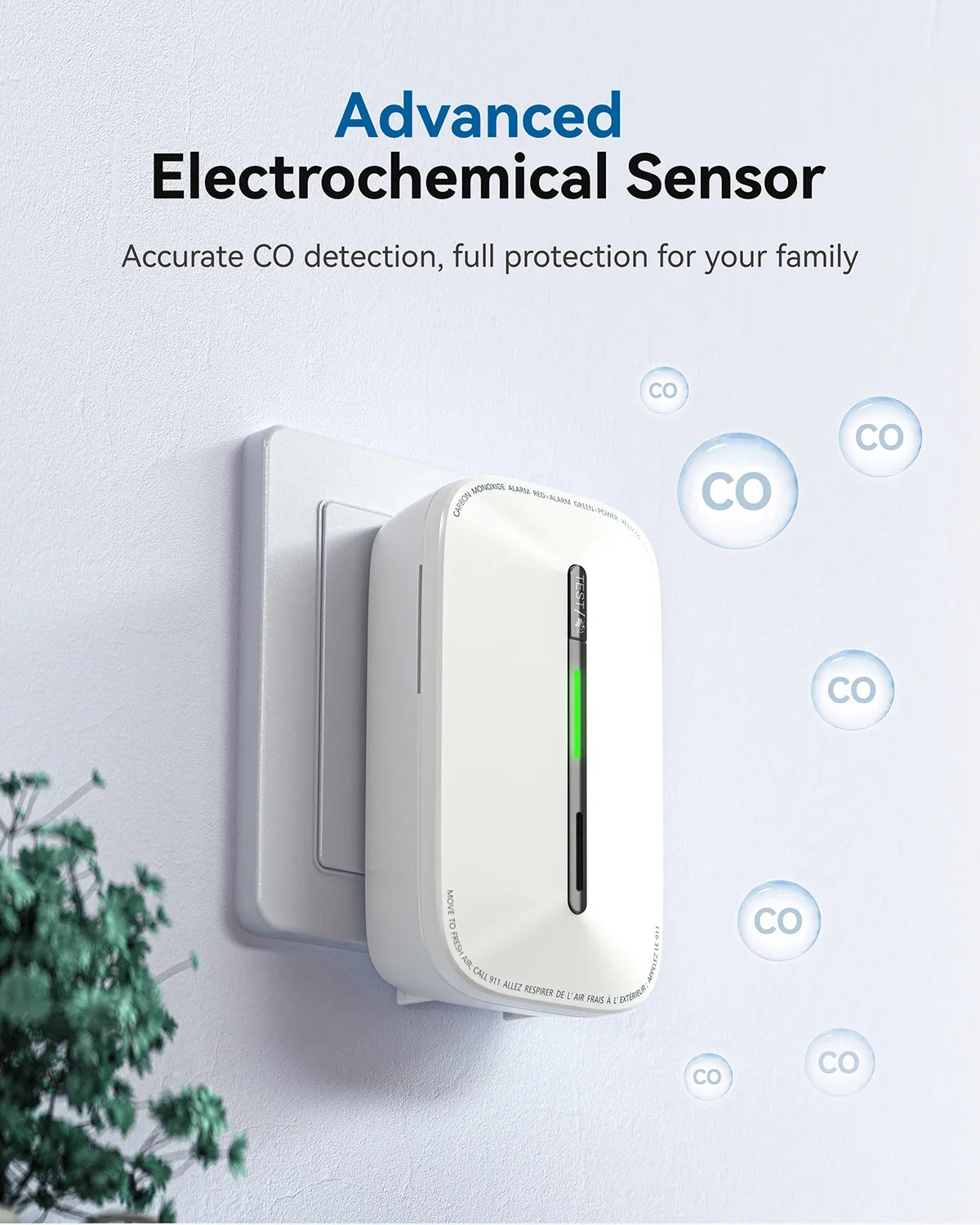
| GS846A | 120V plug-in + CR123A battery backup | Plug-in | Electrochemical | Kitchens, hallways and rooms with fuel-burning appliances | $21.59 |
Place a CO alarm on every level of the home and within 15 feet of each sleeping area — never directly in front of a vent, flue or draft. Full specification and certification details are listed on each product page.
Carbon Monoxide Detector FAQs
Common questions about choosing, placing and maintaining carbon monoxide alarms.
How many carbon monoxide detectors does a house need?
At least one on every level and one within about 15 feet of each sleeping area, plus one near any fuel-burning appliance such as a furnace, water heater or gas stove. For a typical home that is 2-4 CO detectors. A combination 2-in-1 alarm can cover a CO zone and a smoke zone in one device. Because CO is colorless and odorless, code and fire-safety guidance treat coverage as essential rather than optional.
What is a safe level of carbon monoxide?
No level of carbon monoxide is safe for prolonged exposure. OSHA sets a permissible exposure limit of 50 ppm as an 8-hour time-weighted average, with a ceiling of 200 ppm; above that, symptoms can appear within minutes. Detectors alarm well before dangerous levels build, so trust the alarm rather than trying to read the air. The GS828A travel detector shows live readings on an LCD, so you can watch levels fall after ventilating, and evacuate if they climb.
Where should carbon monoxide detectors be placed?
Install CO detectors on every level of your home and within about 15 feet of each sleeping area so the alarm wakes you. Do not place them in front of vents, drafts, ceiling fans or direct sunlight, which dilute readings. Plug-in models should go directly into a wall outlet, not a power strip. A high reading near a garage or furnace is a sign to check the source before ventilating. See where to place a carbon monoxide detector for details.
Do CO detectors need to be plugged in?
Not all of them. Our GS846A is a plug-in carbon monoxide detector with an electrochemical sensor and a battery backup, so it keeps monitoring during a power outage - when CO risk actually rises from generators and backup furnaces. Our GS828A is a portable battery-powered CO detector that needs no outlet at all, so you can place it in any room of the home. Choose based on location: plug-in for permanent rooms, or a battery-powered model you can move between rooms.
Do carbon monoxide detectors expire?
Yes. Carbon monoxide detectors have a finite service life and must be replaced after it even if they still appear to work, because the electrochemical sensor degrades. The GS846A carries a 10-year product life, and the portable GS828A is built for multi-year use in the home. When a unit reaches end of life it chirps a distinct pattern. Replace the whole detector, not the battery, at that point, and check the label on your unit for its specific replacement date.
What is the difference between a CO detector and a smoke detector?
A smoke detector responds to smoke and fire, using photoelectric or ionization sensing; a carbon monoxide detector responds to CO gas, using an electrochemical sensor. They serve different threats and are not interchangeable, which is why codes recommend both on every level. A 2-in-1 combination detector pairs both sensor types in one unit, the simplest way to get complete coverage.