
Filters
4 products
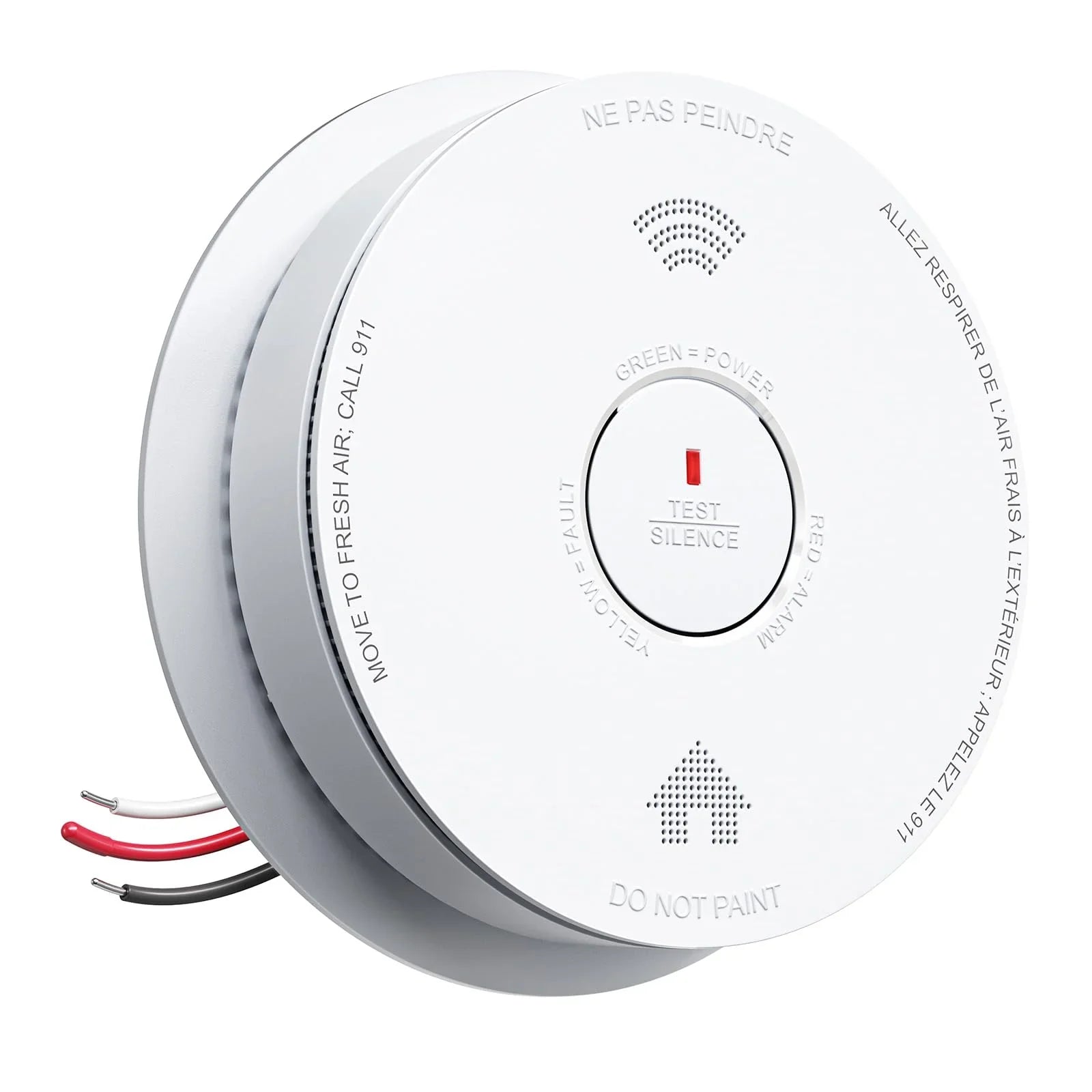
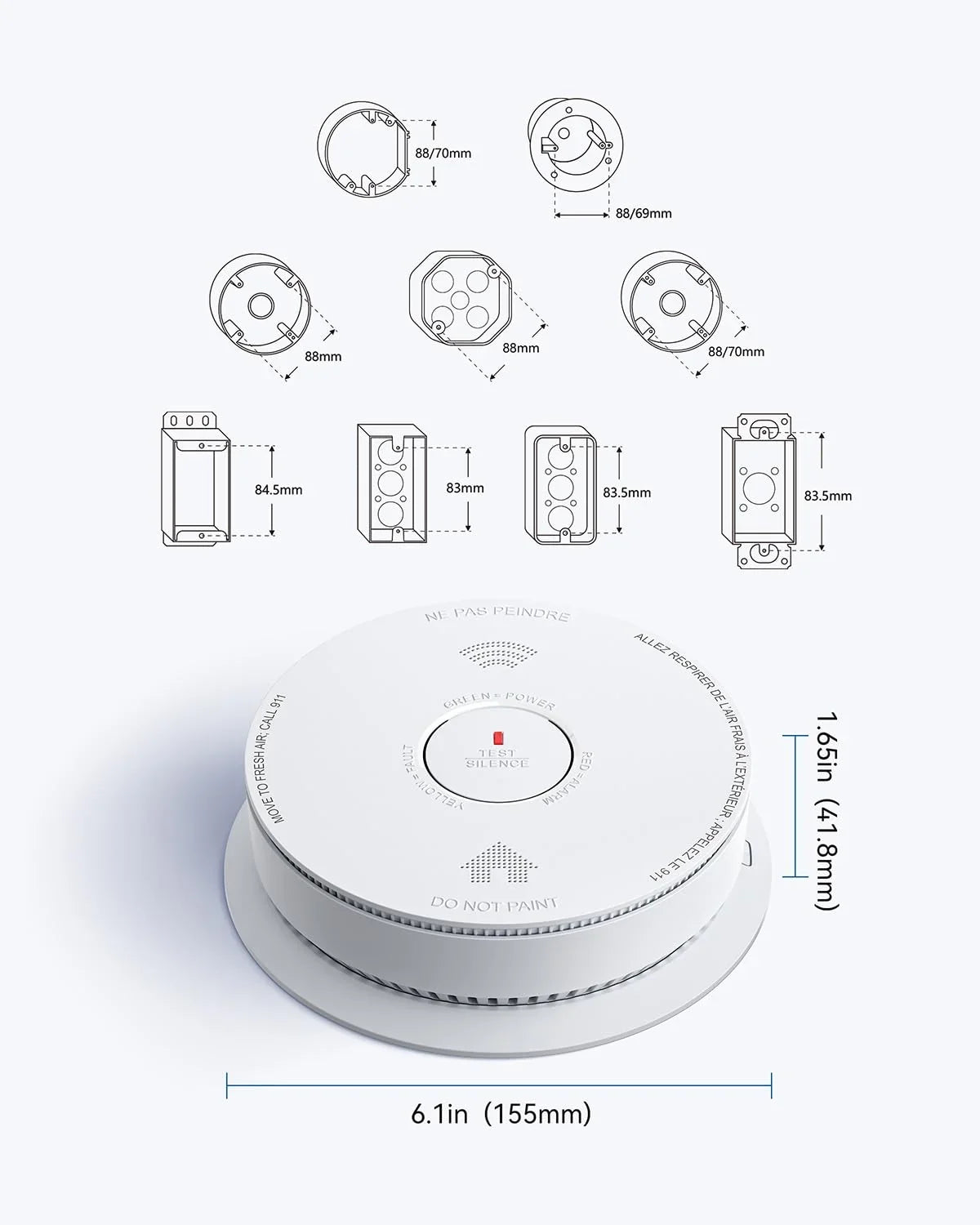
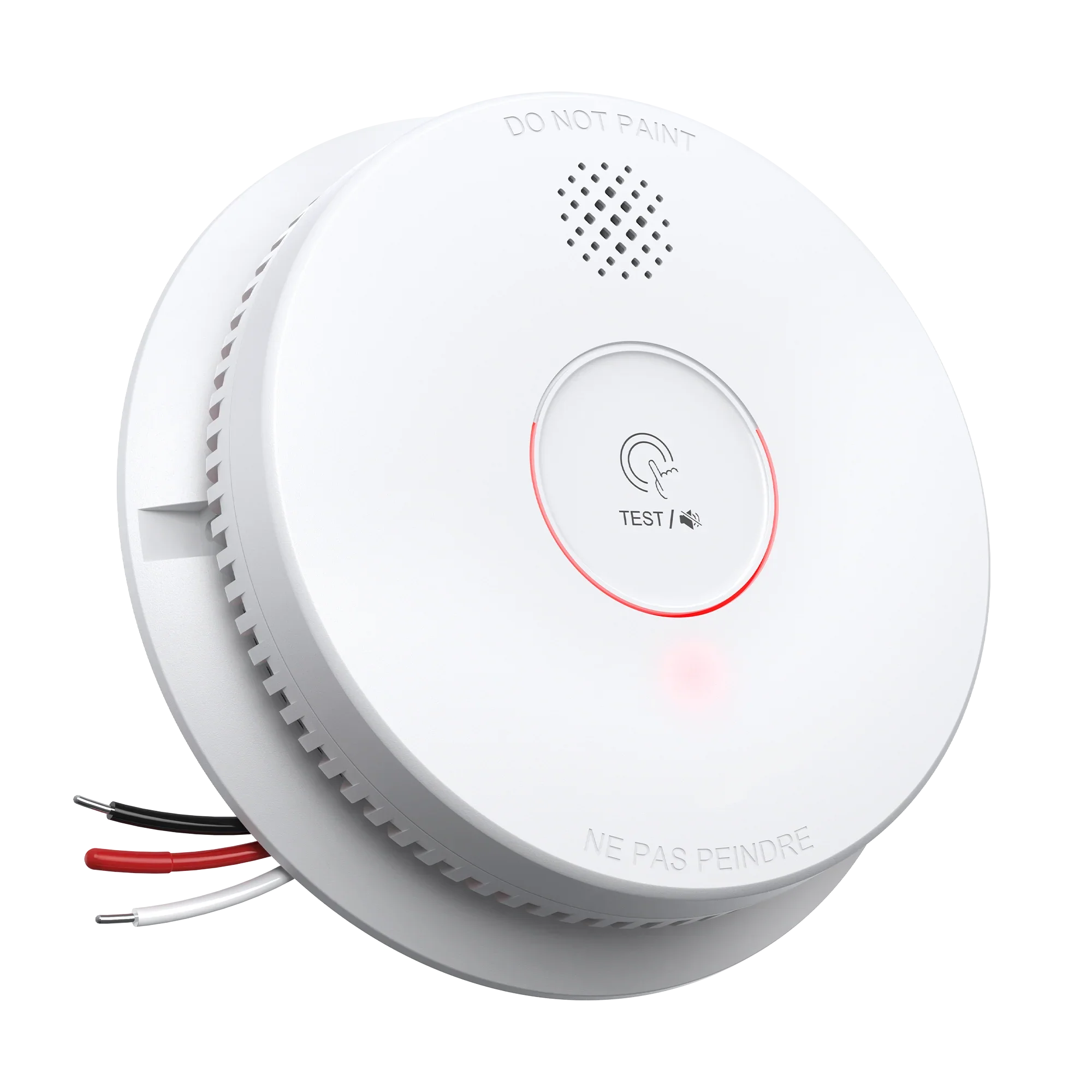
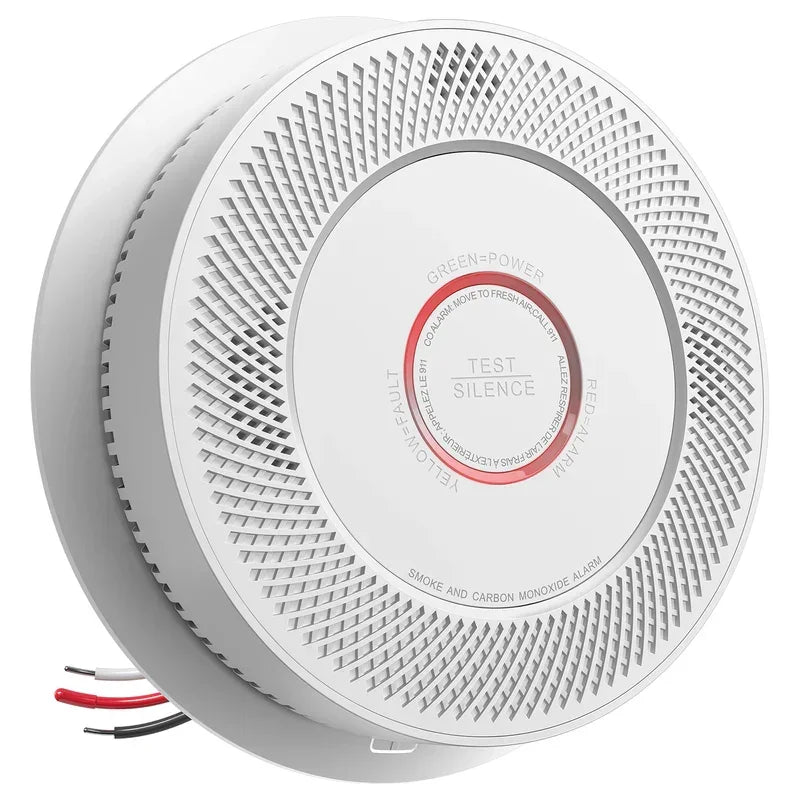
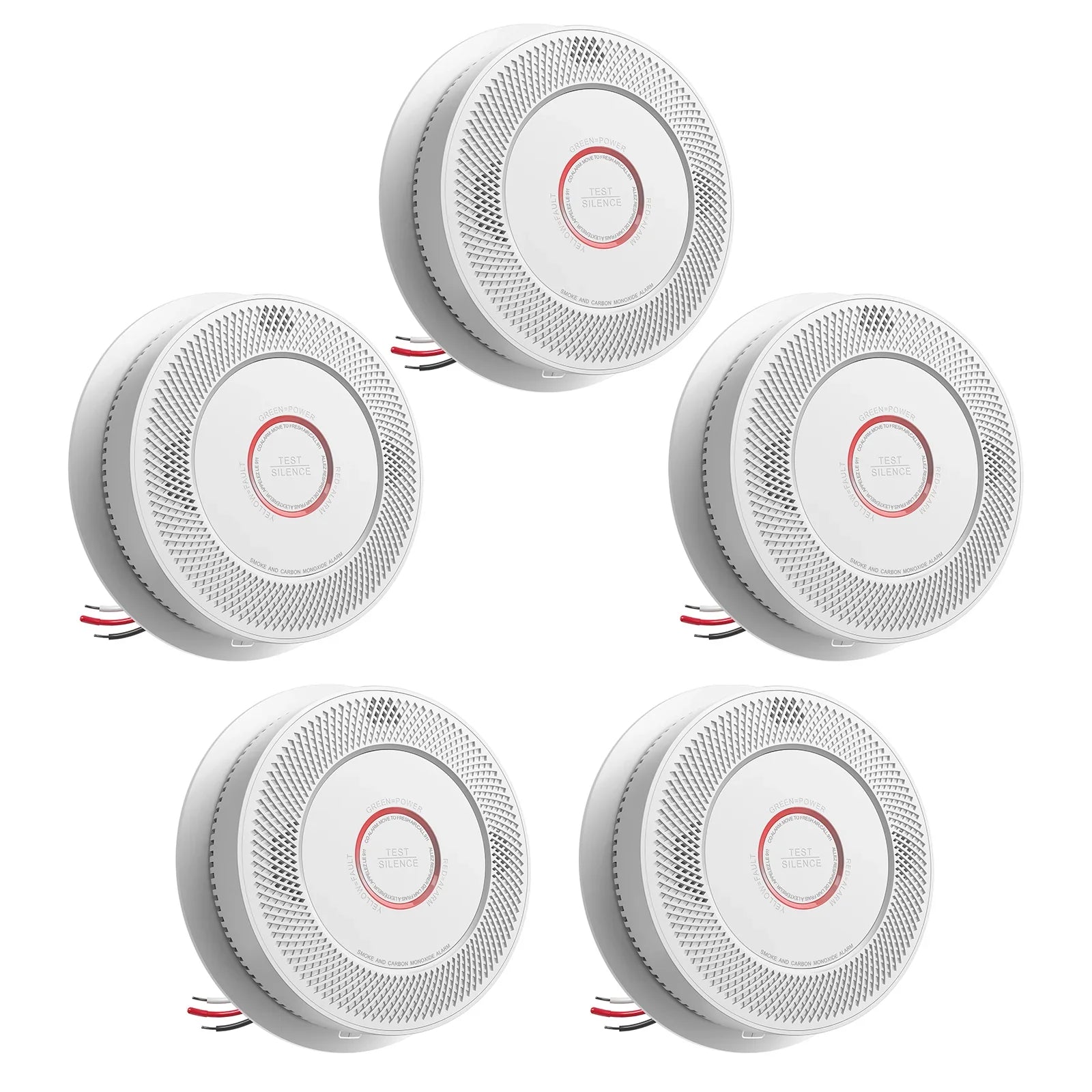
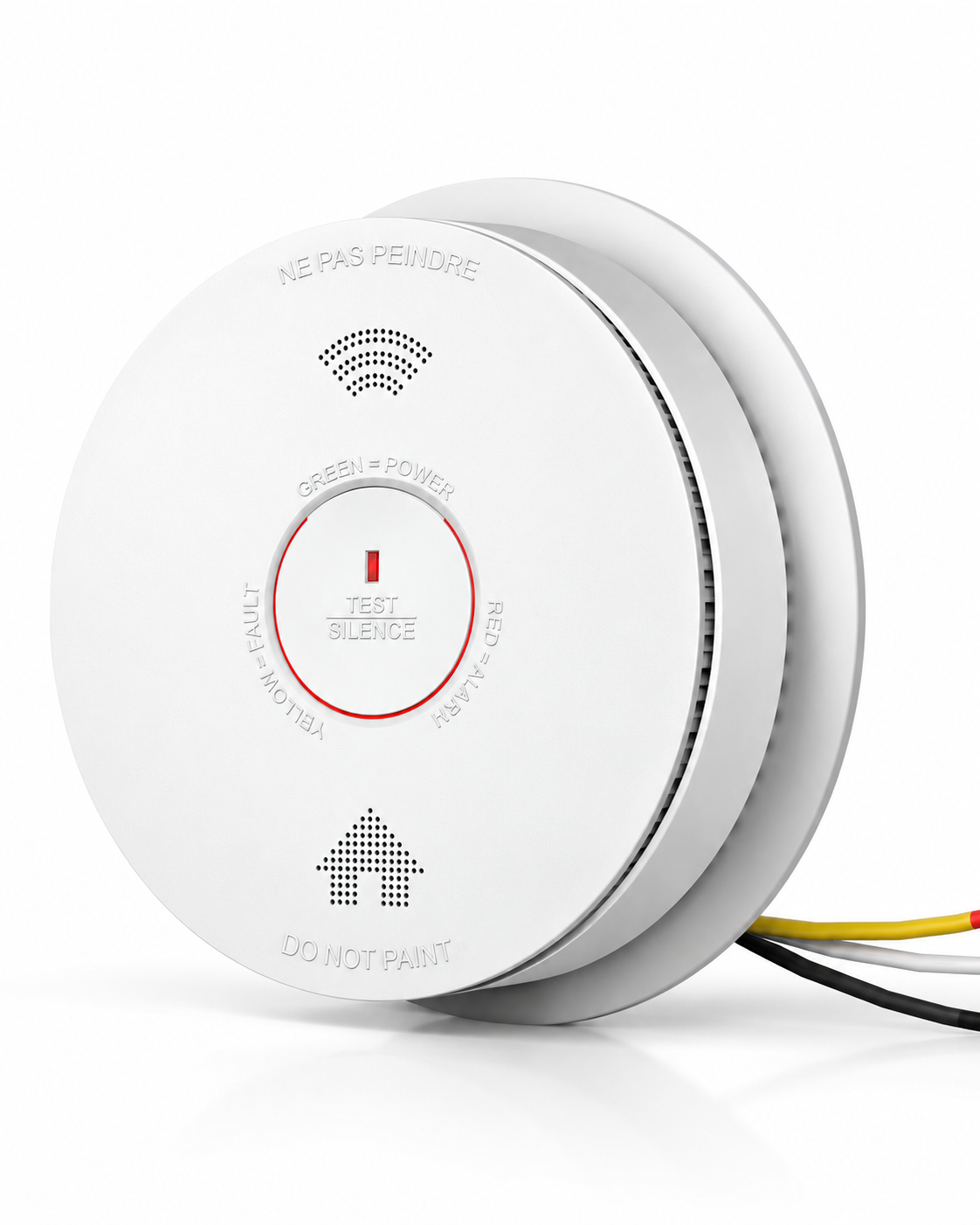
A hardwired interconnected detector is tied to a 120V AC household connection and communicates with compatible alarms through the model’s stated interconnection method. Use this collection when replacing or extending an existing wired system, after confirming the circuit and model compatibility.
What "hardwired and interconnected" actually means
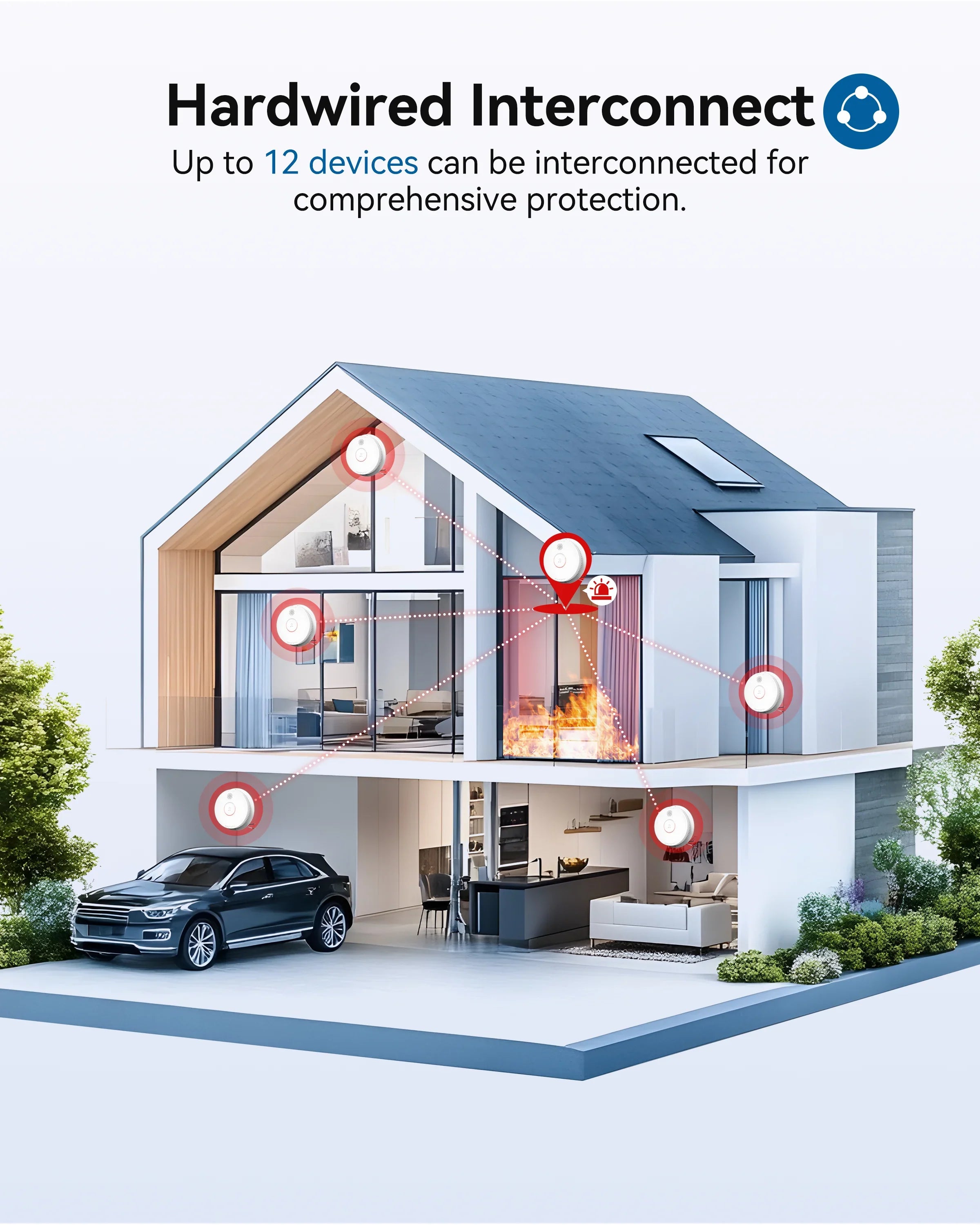
Hardwired interconnected smoke detectors use a 120V AC household connection for normal power and a stated communication method for compatible alarms. Connection method and detection function are separate choices. Carbon monoxide is an odorless gas produced by incomplete combustion from fuel-burning equipment such as a furnace, water heater, fireplace, gas appliance, or generator. GS562A detects smoke only, while GS886A-3WCAR, GS886F-H02, and GS886F add CO detection. Interlinked alarms can communicate when the specific connection method is compatible. A hardwired carbon monoxide detector puts both sensors on one ceiling position, and every hard wired CO alarm on the circuit sounds together. For a combined smoke-and-CO collection, see SITERWELL combination alarms.
- Smoke only: GS562A includes a TEST/SILENCE button and 9V battery backup.
- Smoke and CO: the GS886 models combine both detection functions with their stated backup and voice features.
How to tell what your home already has
Start with the existing alarm label, model number, and installation record. These alarms are selected for an existing wired location, such as a wall or ceiling position connected to household power. If the ceiling is sloped, the installation point matters: the highest point should be within 3 feet of the peak according to the applicable product guidance. Identify the household power connection, then determine whether the alarm system uses wired interconnection, wireless interconnection, or a model that lists both. Write down the current model and compare its connection method with the replacement. The SITERWELL user manuals provide model-specific information for this check.
- First action: record the existing model number before removing any alarm.
- Decision point: confirm the existing wiring and connection method before purchase.
Replacing an existing hardwired alarm
Switch off the relevant household power and confirm that it is off before touching a hardwired alarm. Do not handle a 120V installation while the circuit is energized. Compare the replacement’s detection function, backup type, and interconnection method with the existing system. Never use generic wire colors, wire order, or terminal instructions from another installation. GS562A is smoke-only; GS886A-3WCAR, GS886F-H02, and GS886F add carbon monoxide detection. If the circuit, mounting base, or connection is unclear, ask a qualified electrician before continuing.
- Safe first step: switch off and safely confirm the relevant circuit is de-energized.
- Compatibility step: match the replacement model to the existing wiring before installation.
Do all interconnected alarms work together?
No. Interconnected alarms communicate only when the specific products and connection methods are compatible. A shared 120V power source, similar housing, or matching backup type does not prove that two alarms will communicate. Check the existing model and the replacement documentation before connecting them. A hard wired CO detector must match the system’s stated requirements, and a CO alarm should be selected only when carbon monoxide detection is actually required. If compatibility is not clearly stated, ask the relevant manufacturer or a qualified electrician for confirmation.
- Do not guess: verify compatibility at the model level.
- Check the hazard: choose smoke-only or smoke-and-CO detection before installation.
Battery backup, testing and end of life
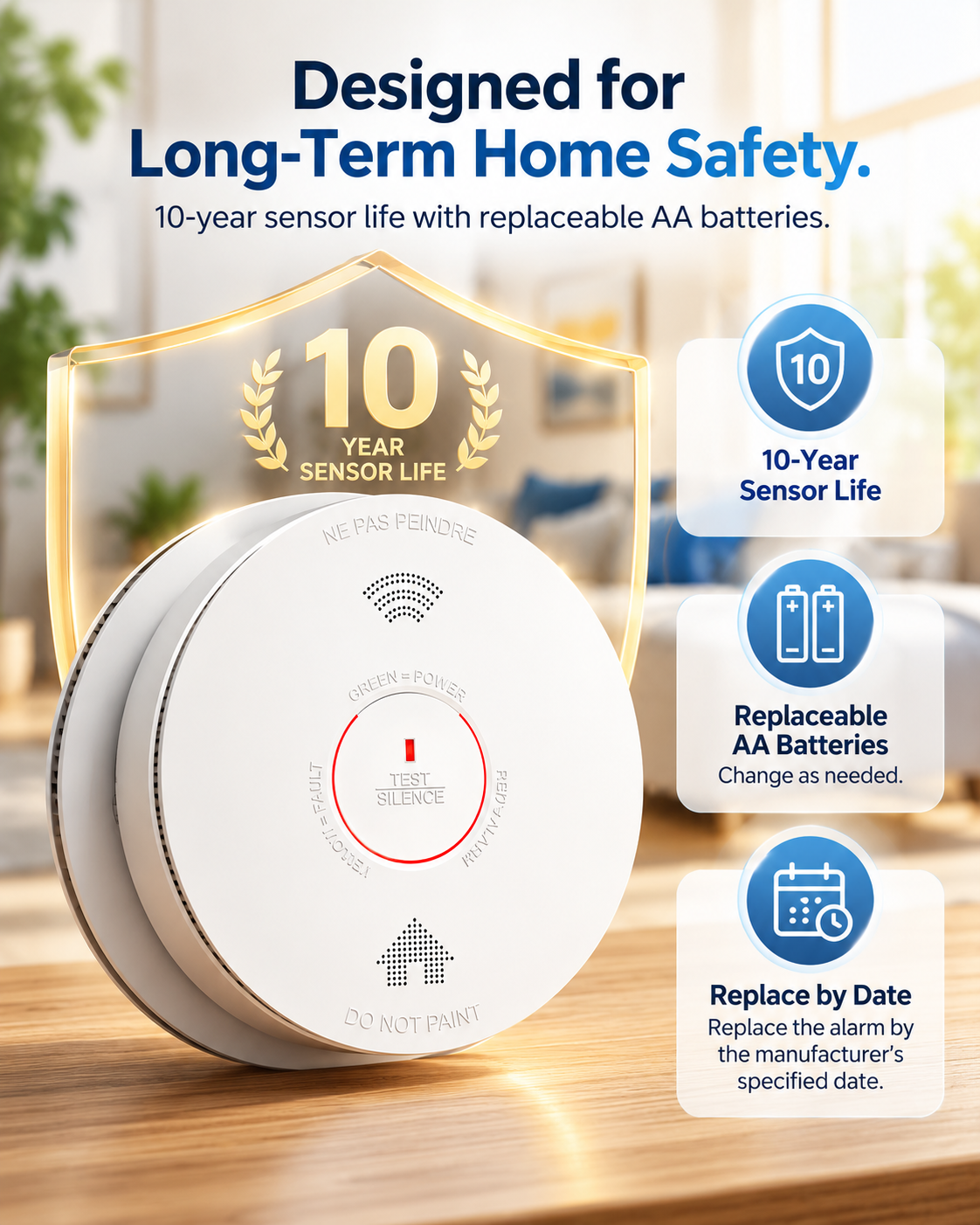
Battery backup can support an alarm during a power interruption when the backup is installed and in normal condition. GS562A uses a 9V battery, GS886A-3WCAR uses two AA batteries, GS886F-H02 has built-in lithium battery backup, and GS886F uses two AA backup batteries. Test the alarm weekly and clean its air openings monthly. If a smoke or CO alarm sounds, evacuate to fresh air, call 911 or the local fire department, and do not re-enter until emergency services say it is safe. Some product manuals specify replacing the complete detector every 10 years; use the interval stated for the model.
- Test weekly: use the model’s test control and check the backup condition.
- Replace completely: do not treat a new backup battery as a replacement for an expired alarm.
Compare SITERWELL hardwired interconnected detectors
| Model | Power source | Backup | Interconnection | Detection | Voice | Best for | Price |
|---|---|---|---|---|---|---|---|
| GS562A | 120V AC, 60Hz | 9V battery | Wired interconnection | Smoke only | Not listed | Smoke-only replacement with TEST/SILENCE button | $21.74 / 1-pack |
| GS886A-3WCAR | 120V AC, 60Hz | Two AA batteries | Wired and wireless interconnection; up to 18 units, including up to 12 smoke and 6 non-smoke units | Smoke and carbon monoxide | Voice alerts | Smoke and CO coverage with two connection methods | $47.99 |
| GS886F-H02 | 120V AC, 60Hz | Built-in lithium battery | Wired interconnection | Photoelectric smoke and electrochemical carbon monoxide | English/French voice alerts | Smoke and CO detection with bilingual voice alerts | $51.19 |
| GS886F | 120V AC | Two AA batteries | Wired interconnection | Photoelectric smoke and electrochemical carbon monoxide | Voice alerts | Smoke and CO detection with voice alerts | $47.99 |
Choose GS562A for smoke-only coverage, wired interconnection, 9V backup, and a TEST/SILENCE button; the listed $21.74 price is for the 1-pack. Choose GS886A-3WCAR for smoke and CO detection, voice alerts, two AA batteries, and both wired and wireless interconnection for up to 18 units. GS886F-H02 adds bilingual voice alerts and built-in lithium battery backup. GS886F provides voice alerts with AA backup. Confirm the existing wiring and model compatibility before installing any replacement.
Hardwired Interconnected Detector FAQs
Common questions about hardwired and interconnected smoke and CO systems.
What is the difference between wired and wireless interconnected detectors?
Wired interconnection runs a low-voltage cable between alarms so every unit sounds when one senses trouble. It is the most stable link, but it requires an electrician and existing wiring. Wireless interconnection uses radio, so you can install units today and add more anywhere without rewiring. New construction usually goes hardwired; existing homes adding coverage often start wireless. The GS562A in this collection is hardwired; a wireless system is a separate choice and is not required for a wired home.
How do you install a hardwired interconnected smoke detector?
Turn off the circuit breaker feeding the alarm circuit and confirm the power is off before touching anything. Check that the replacement matches the existing wiring and the model compatibility stated in its manual, then restore power and press test — the whole interconnect loop should activate. Because this is live 120V wiring, hire a licensed electrician if you are not comfortable working with mains. The GS562A and GS886A-3WCAR are built to replace existing wired alarms.
Do hardwired detectors work during a power outage?
Yes. Hardwired detectors run on the 120V line but carry a battery backup that takes over when power drops. The GS562A uses a 9V backup battery with about one year of service; the GS886A-3WCAR uses 2 AA batteries as backup. This matters because outages are exactly when CO risk rises from backup generators and unattended furnaces. Test the backup with the test button after an outage to confirm the unit will still sound.
Can I replace a battery smoke detector with a hardwired one?
If your home already has a hardwired loop, you can replace existing wired heads with hardwired models like the GS562A directly. If you only have battery detectors and no wiring, adding hardwired units means running new cable, which needs an electrician. In that case, wireless interconnected models give you whole-home coverage without rewiring.
How long do hardwired smoke detectors last?
Like all detectors, hardwired units should be replaced every 10 years even if they still sound, because the sensor degrades. The backup battery, however, is replaced more often: the 9V in the GS562A roughly once a year, and the 2 AA pair in the GS886A-3WCAR at similar intervals. On the GS886A-3WCAR, the 10-year figure refers to product service life, not battery life. The date of manufacture is printed on the side of each unit; if it is over 10 years old, replace the whole head.
Do interconnected detectors make all alarms sound at once?
Yes, that is the point of interconnection. When one unit senses smoke or CO, every compatible unit on the loop or network sounds simultaneously, giving you early warning anywhere in the home. Our hardwired models link 12 to 18 alarms depending on the model, and wireless models join the same network by radio. Press test on one unit and the whole loop should respond, rather than checking rooms one at a time. See why interconnected smoke alarms matter.
Can alarms from different brands interconnect?
Only when the manufacturer states it. A shared 120V supply, a matching plug or a similar housing does not mean two alarms will talk to each other. Before replacing one head in an existing loop, check the documentation for both the old and the new model, or ask the manufacturer. If compatibility cannot be confirmed in writing, treat the system as two separate alarms.
How often should I test an interconnected alarm?
Test weekly using the test control, and clean the air openings monthly. On an interconnected system one press should sound every unit on the loop — if only one responds, the interconnect wiring or a unit on the circuit needs attention. Check the backup battery condition during the same test. A unit that fails its own test should be replaced, not silenced.
Can I replace only the alarm head without changing the mounting base?
Not unless the manufacturer states that the base is shared. The base carries the wiring and the interconnect contacts, so reusing one with a different head can leave the alarm powered but not interconnected. Compare the base and harness of the new model with the old one, and if the documentation does not clearly support the combination, replace the base and harness together.
Do I need an electrician to replace a hardwired alarm?
Not always, but the work involves live 120V wiring behind the base. Switch off the circuit at the breaker and confirm it is dead before touching anything. If the wiring, the base or the interconnect arrangement is unclear, or the circuit cannot be isolated confidently, stop and call a licensed electrician. Never copy wire colours or terminal positions from another installation.
