
Filters
5 products
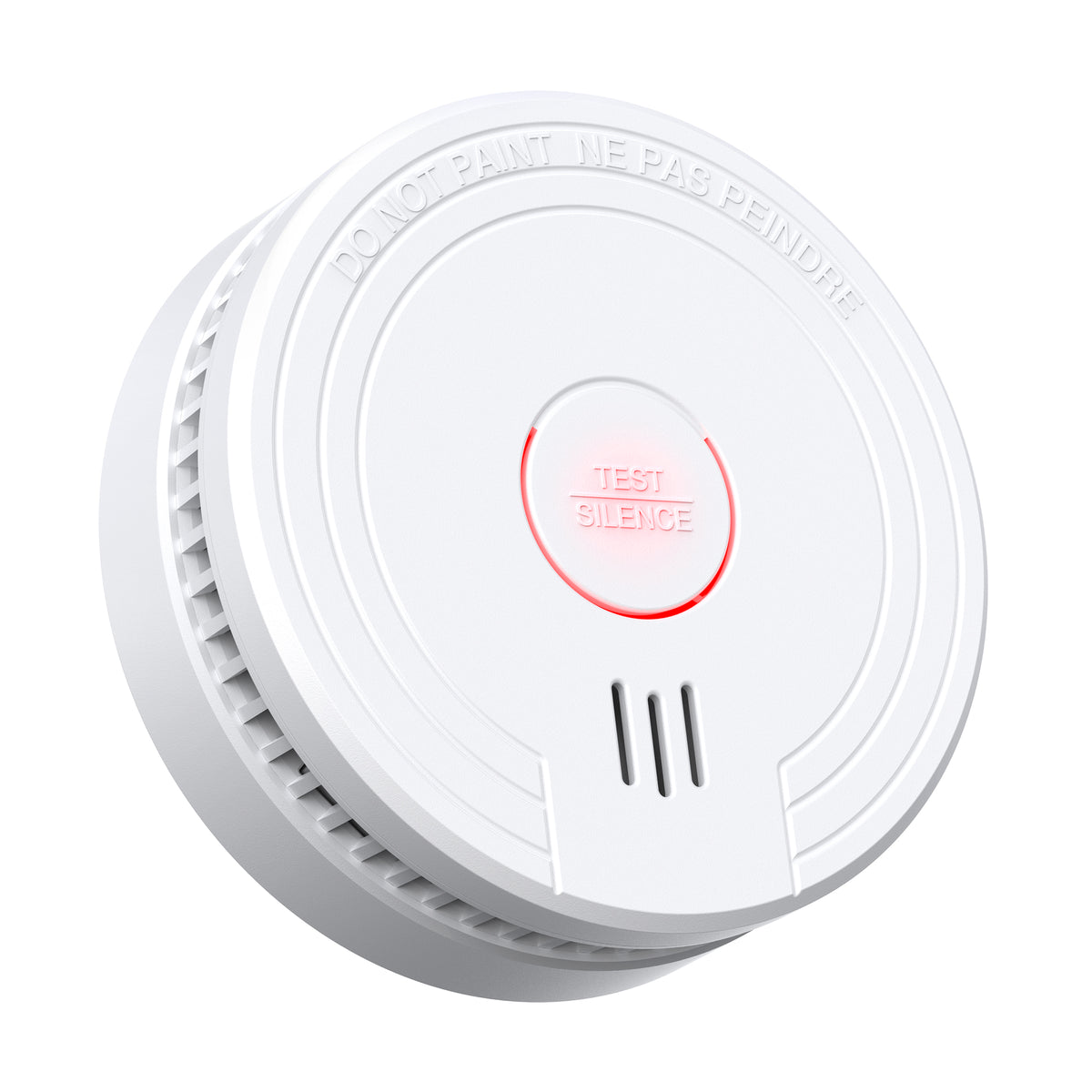

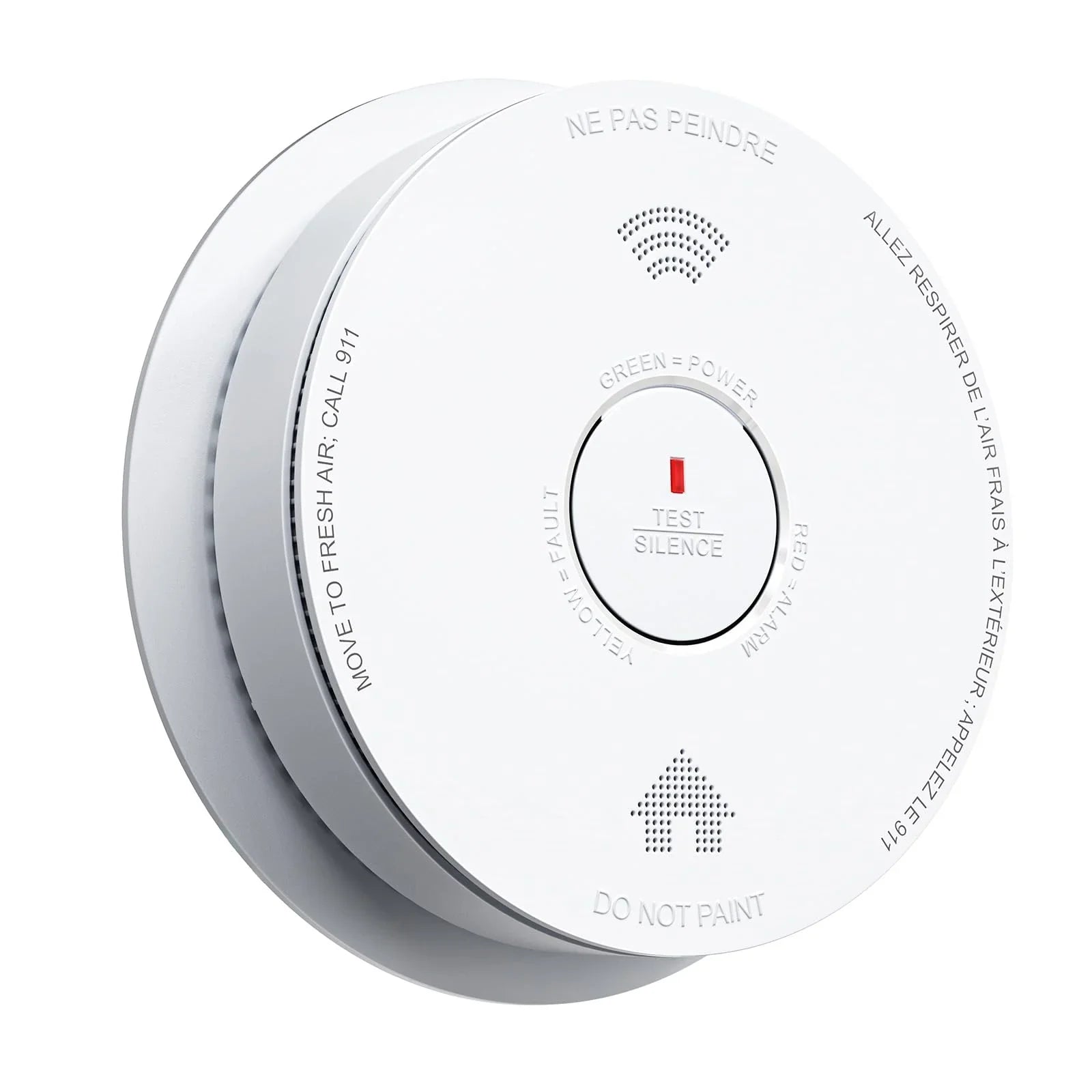
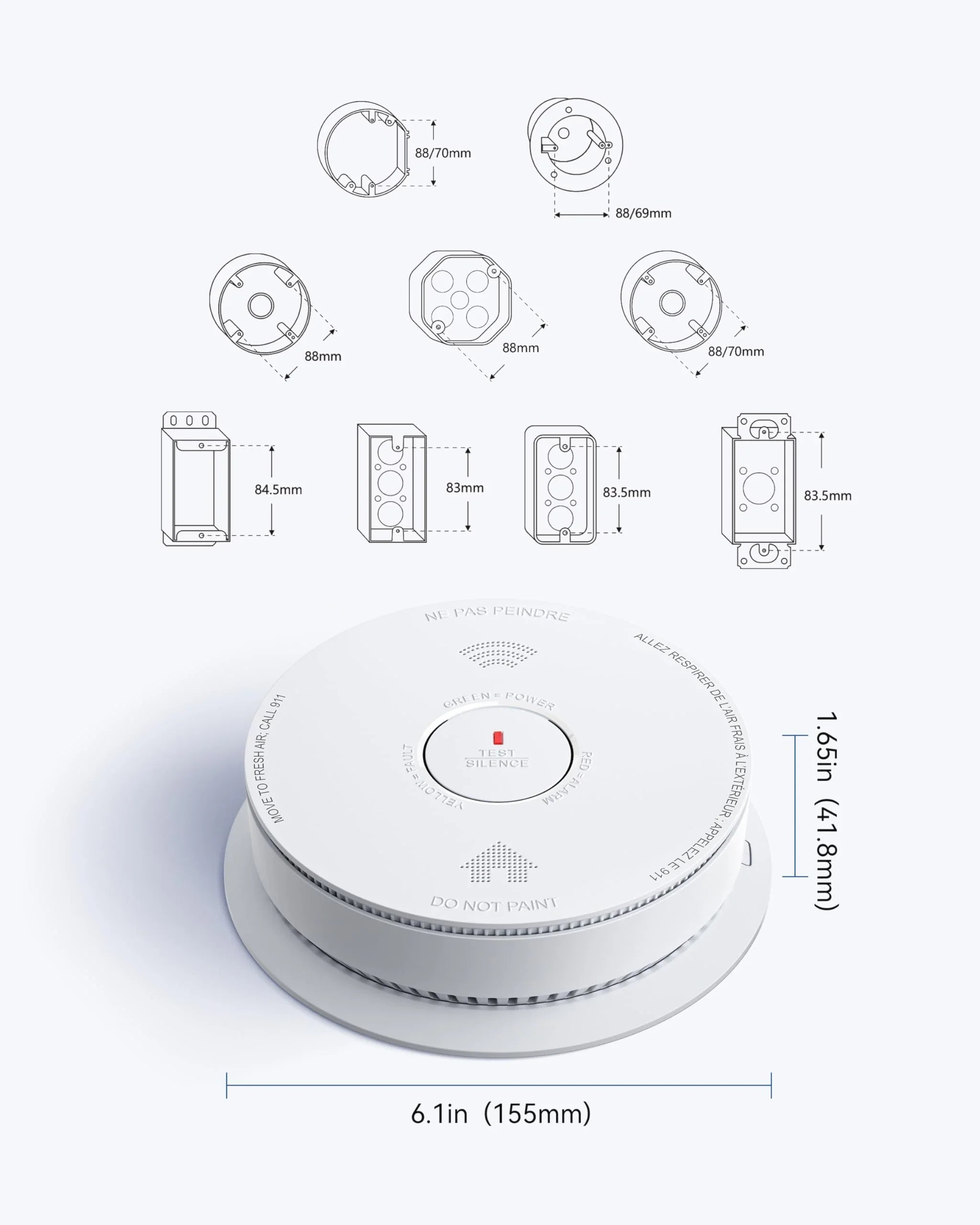
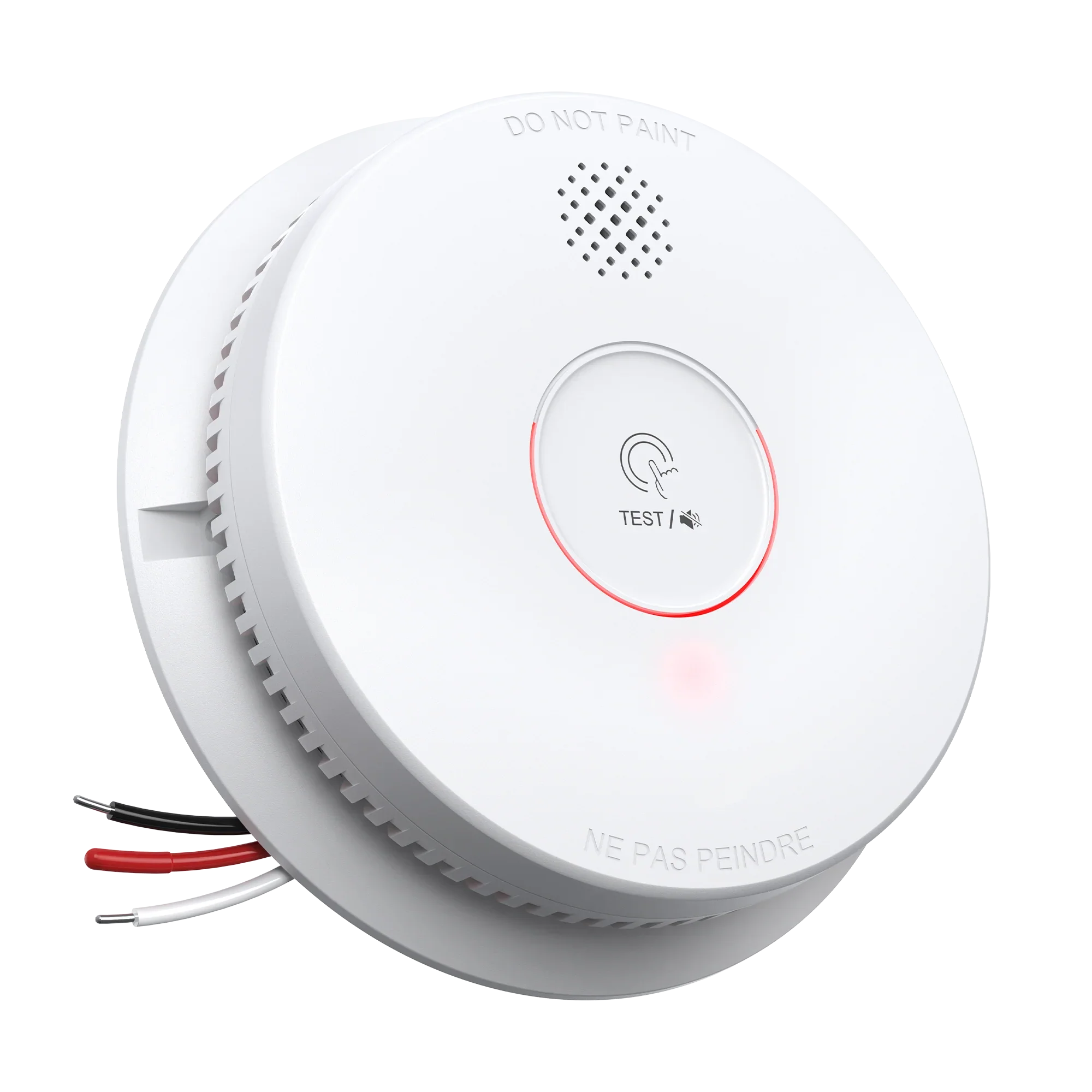
Smoke Detector FAQs
Common questions about choosing, placing and maintaining residential smoke detectors.
What is the difference between a smoke detector and a smoke alarm?
Smoke alarm and smoke detector are often used interchangeably, but alarm usually means a standalone unit that just sounds, while detector can mean any sensing device, including interconnected systems. What matters when buying is the sensing type (photoelectric vs ionization), the power source (battery vs hardwired) and whether it interconnects. Our photoelectric models use the sensing type preferred for residential rooms, because it catches slow, smoldering fires early.
Where should smoke detectors be placed in a house?
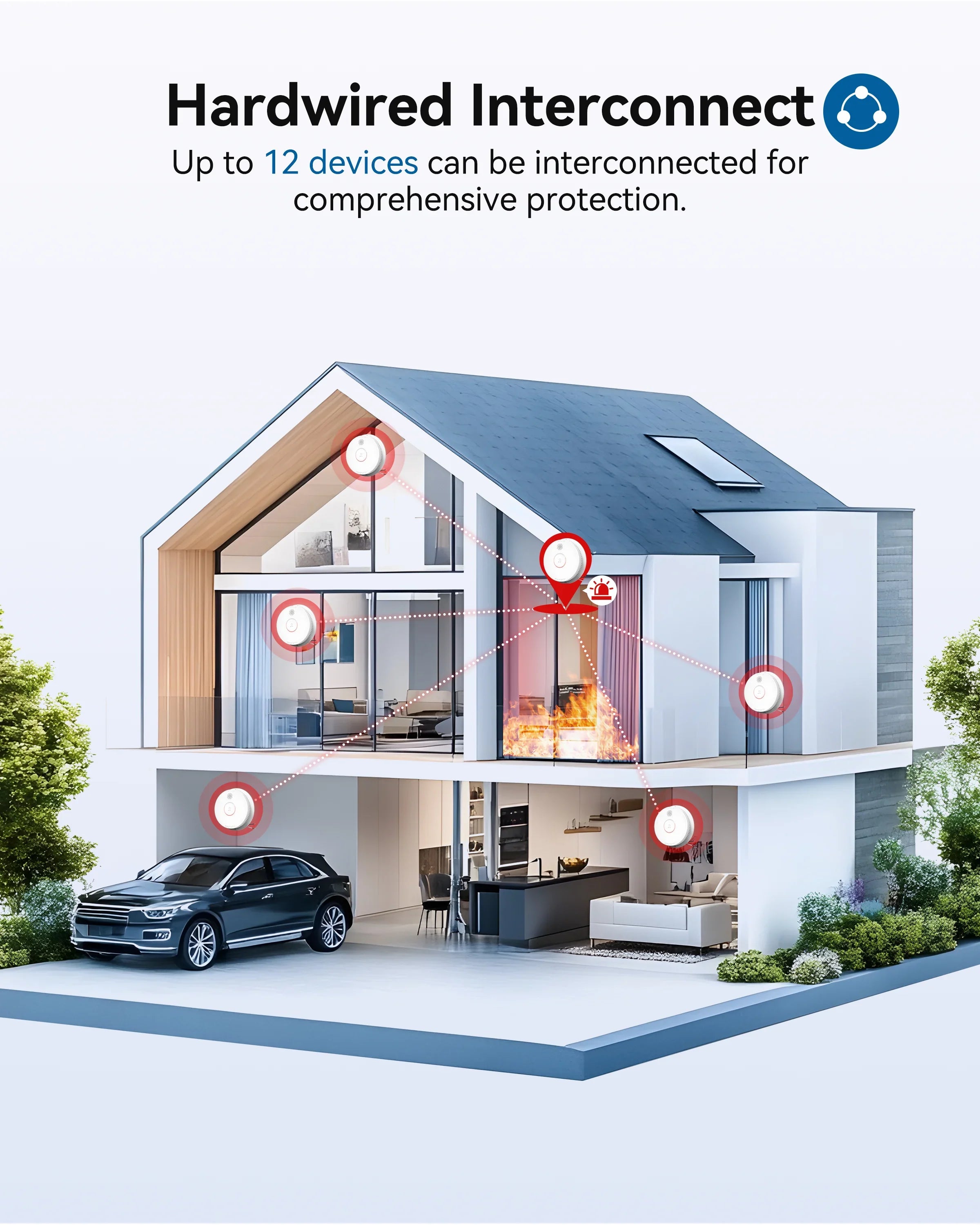
Follow NFPA guidance: install one on every level of your home, including the basement, one outside each sleeping area, and one inside each bedroom if the door closes when you sleep. Avoid kitchens and locations directly above air vents, where cooking steam and airflow cause nuisance alarms. For a typical two-story home that means 4-6 detectors. Our hardwired interconnected models let a single test button verify the whole home at once.
How often should you replace a smoke detector?
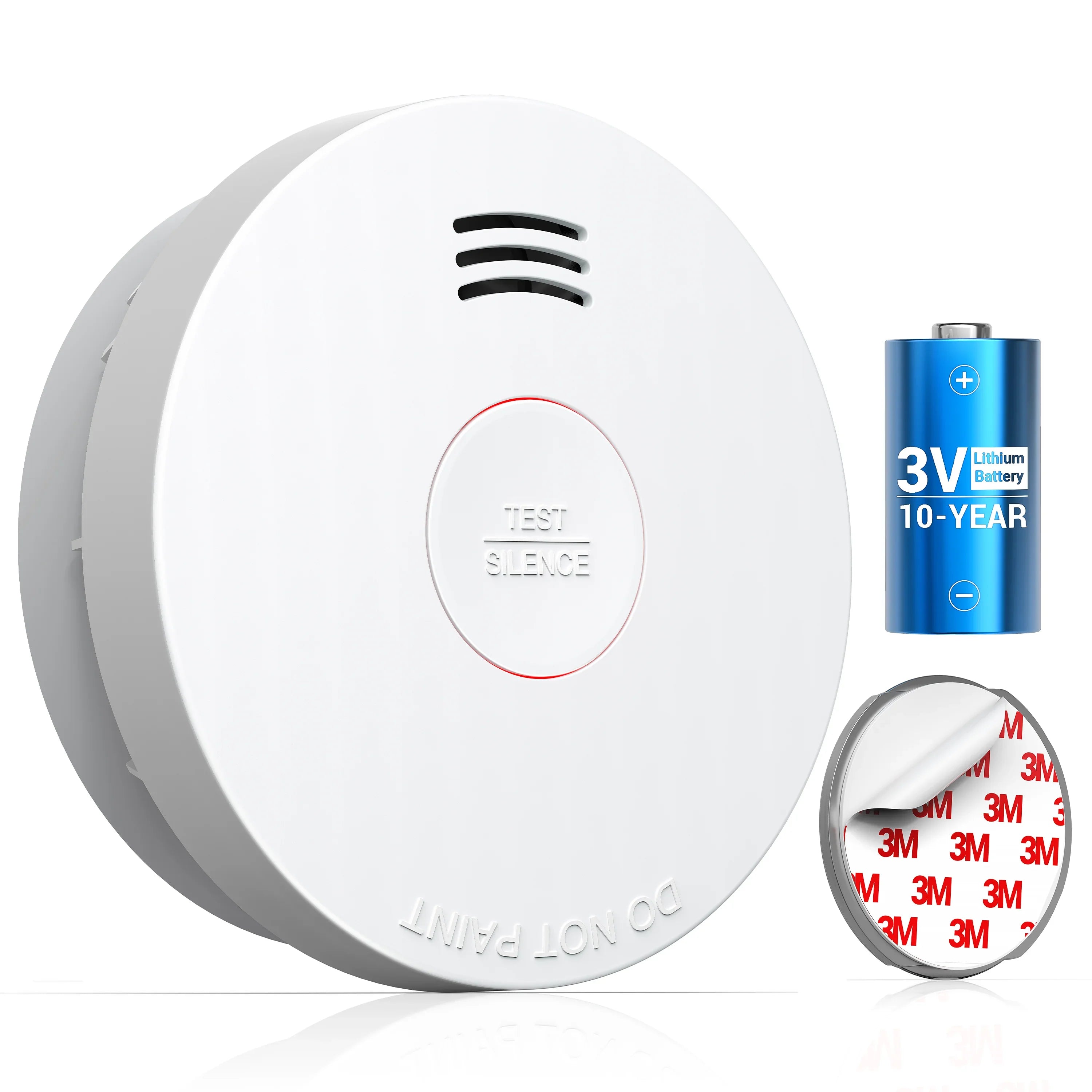
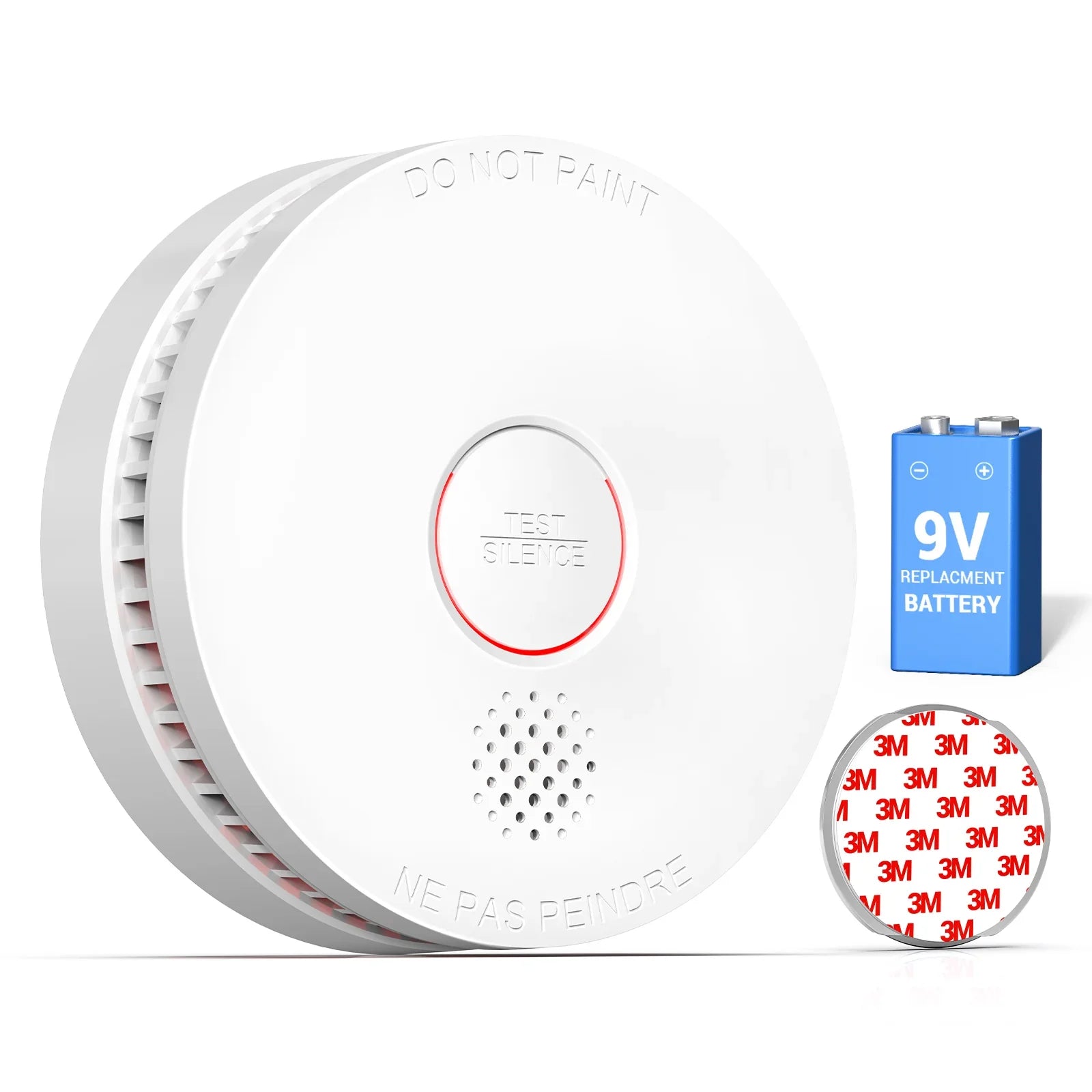
Replace a detector at the end of its service life, typically 10 years from the manufacture date printed on the unit. Simply swapping the battery does not extend that life: sensors lose sensitivity as they age, which is why end-of-life units chirp to tell you to replace the whole detector. Test weekly with the built-in button, and set a reminder at purchase for the 10-year replacement point. The GS525A and GS886-H04 use a built-in battery rated for 10 years; the GS509A has a 10-year product life with a replaceable 9V battery.
What kind of batteries do smoke detectors take?
It depends on the model. Traditional battery-operated detectors take a 9V or two AA batteries you replace every 6-12 months. The GS509A uses a replaceable 9V battery with a service life of about one year, while the GS525A and GS886-H04 carry a built-in battery rated for 10 years. Hardwired models such as the GS562A run on 120V mains with a 9V backup that should be swapped about once a year. Check the label inside the battery compartment or the product page before buying.
How many smoke detectors do I need?
For a typical two-story home with three bedrooms, NFPA guidance points to at least five: one on each level (including the basement), one outside each sleeping area, and one in each bedroom. Larger or open-floorplan homes may need more. A practical rule is one detector per level plus one per sleeping area, then add one in any room where someone sleeps with the door closed. Interconnected models cover all of these through one test network, so you can verify the whole home with a single button.
Photoelectric or ionization smoke detector - which is better?
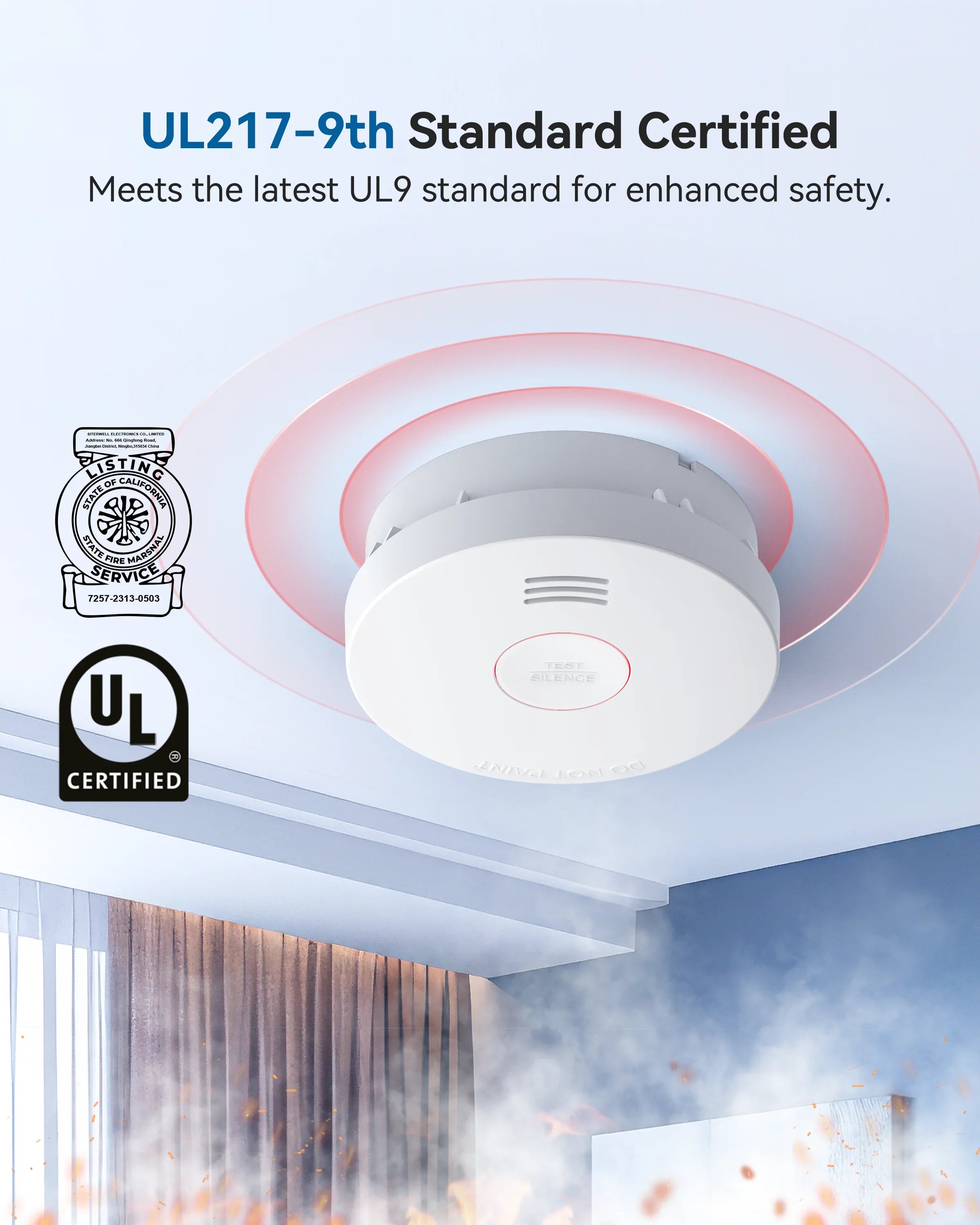
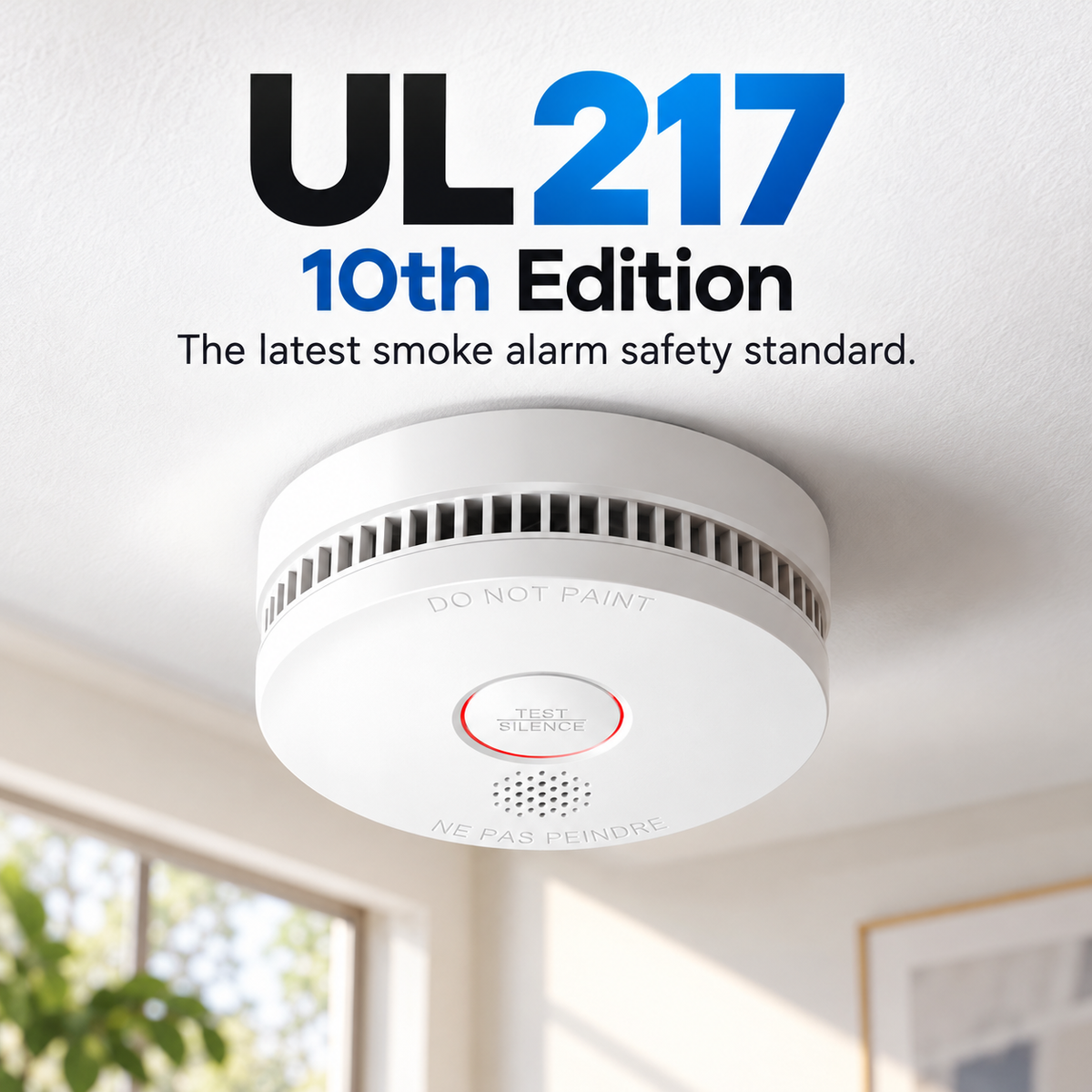
Photoelectric detectors respond faster to slow, smoldering fires - the kind that start in upholstery and electrical wiring - while ionization detectors react faster to fast-flaming fires. Because they are far less likely to be triggered by cooking steam, photoelectric is the preferred type for residential rooms. Most homes are well served by quality photoelectric alarms that meet UL 217 standards. For a detailed comparison, see photoelectric vs ionization.