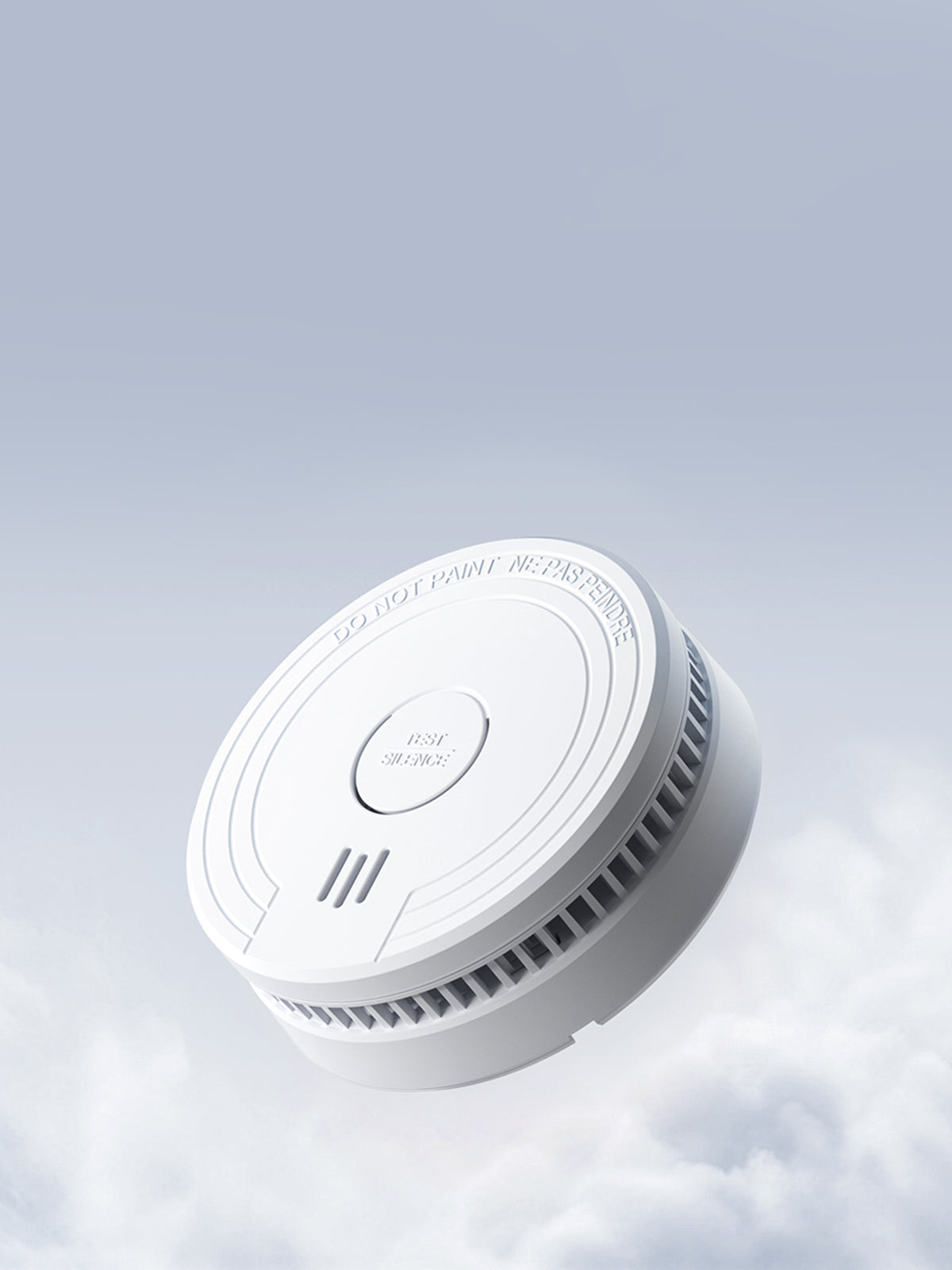
Fast Detection.
Fewer Nuisance Alarms.
360° smoke entry, photoelectric sensing and adaptive compensation work together for fast, reliable home protection.




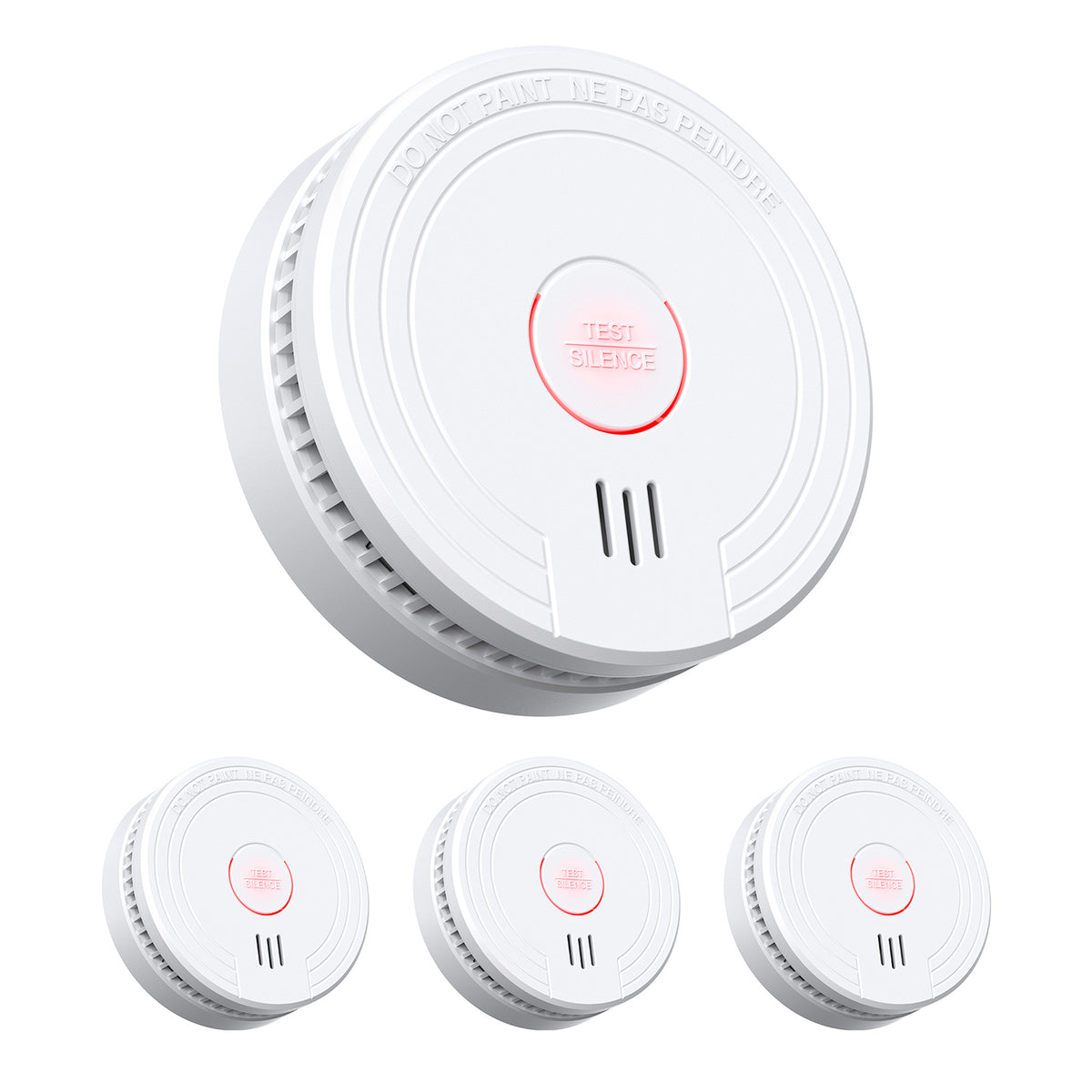
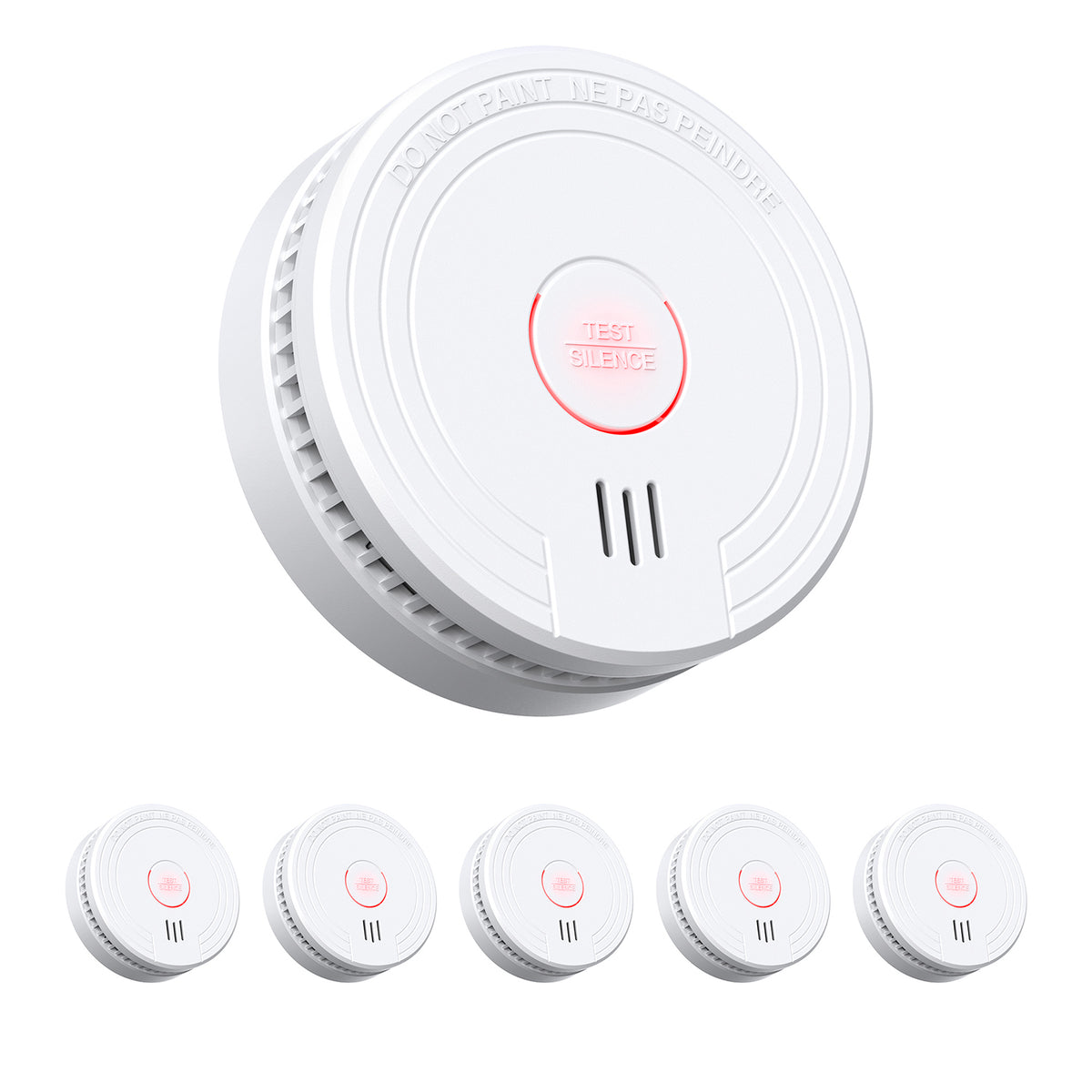
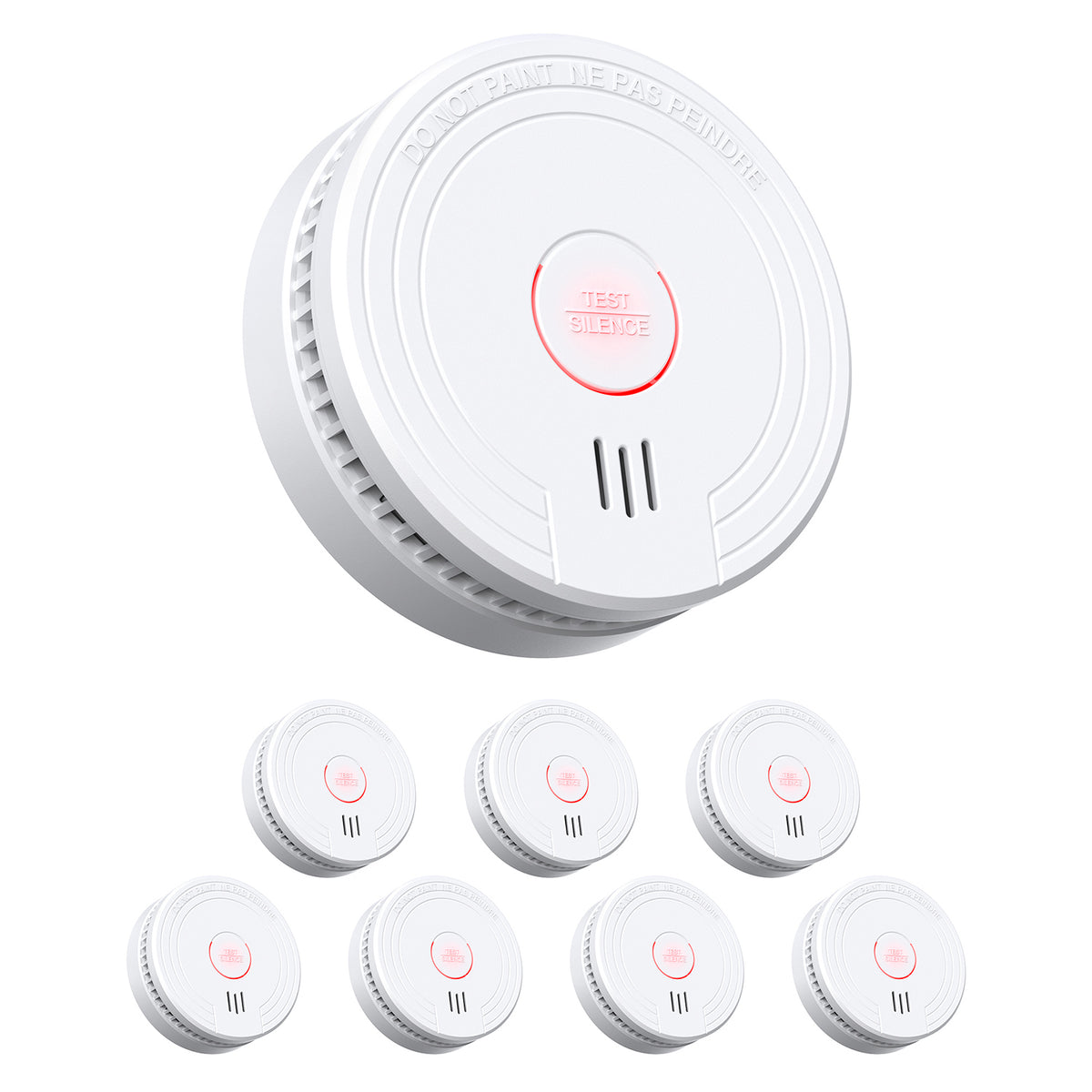
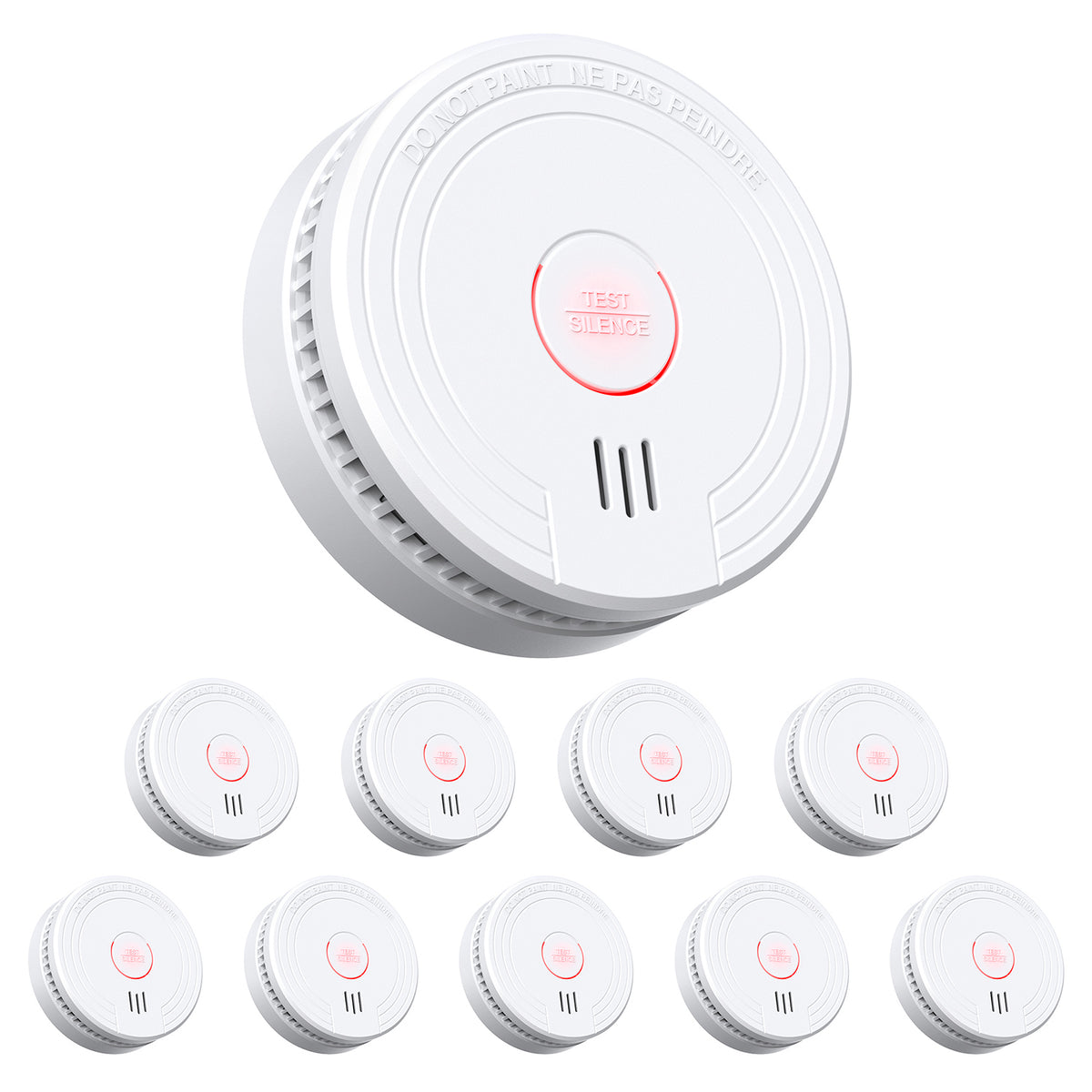
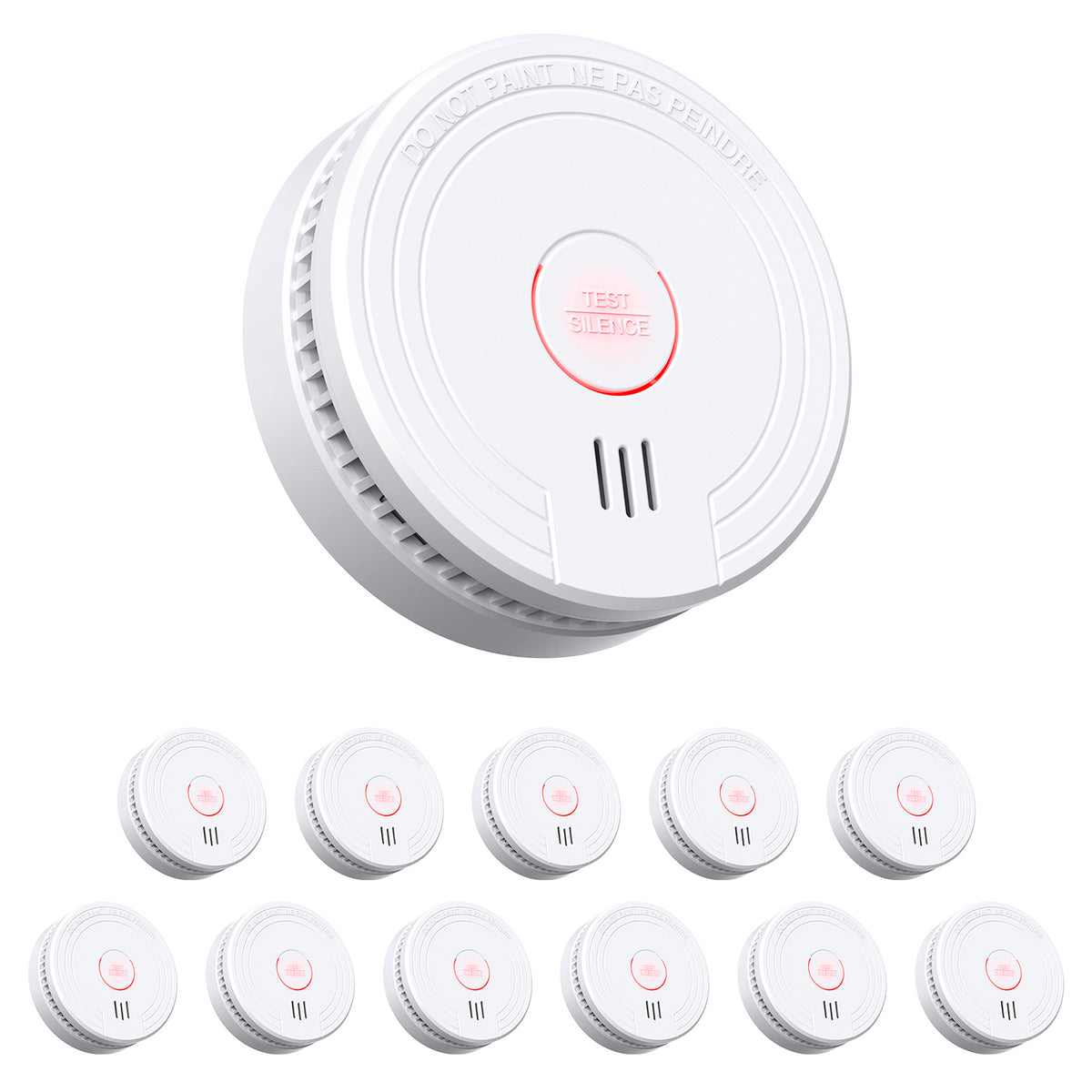
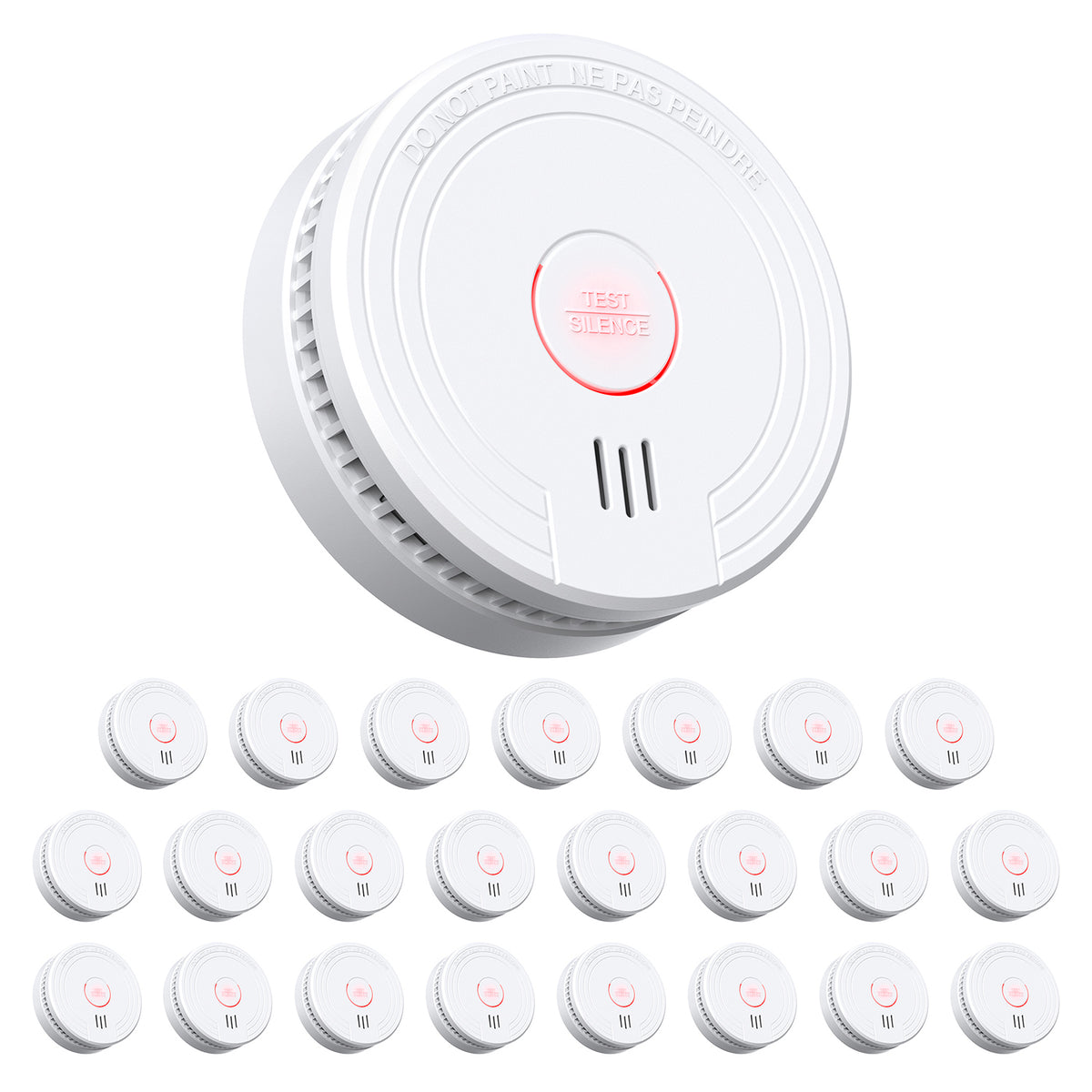
360° smoke entry, photoelectric sensing and adaptive compensation work together for fast, reliable home protection.
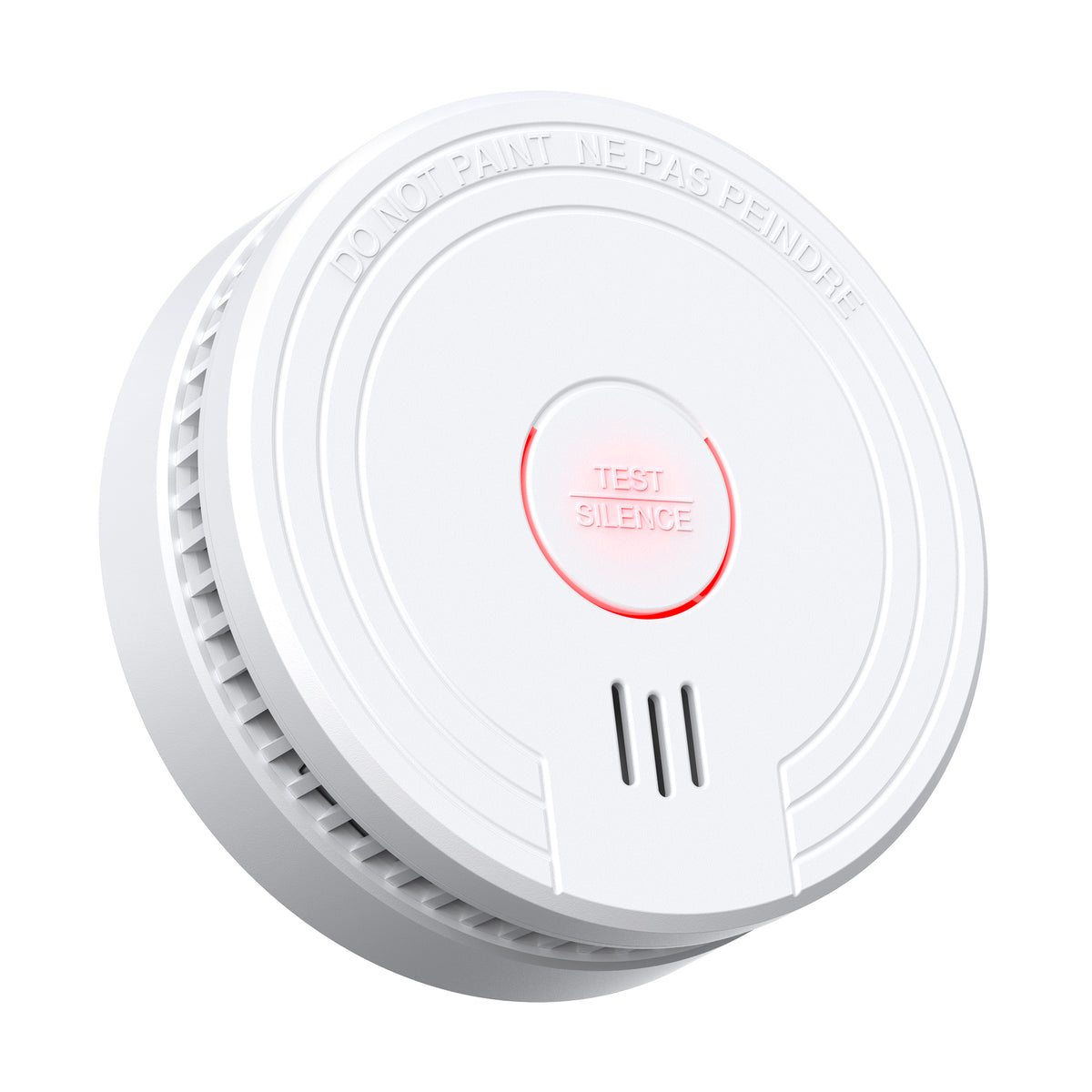
Certified performance, responsive detection and straightforward
controls for everyday home safety.

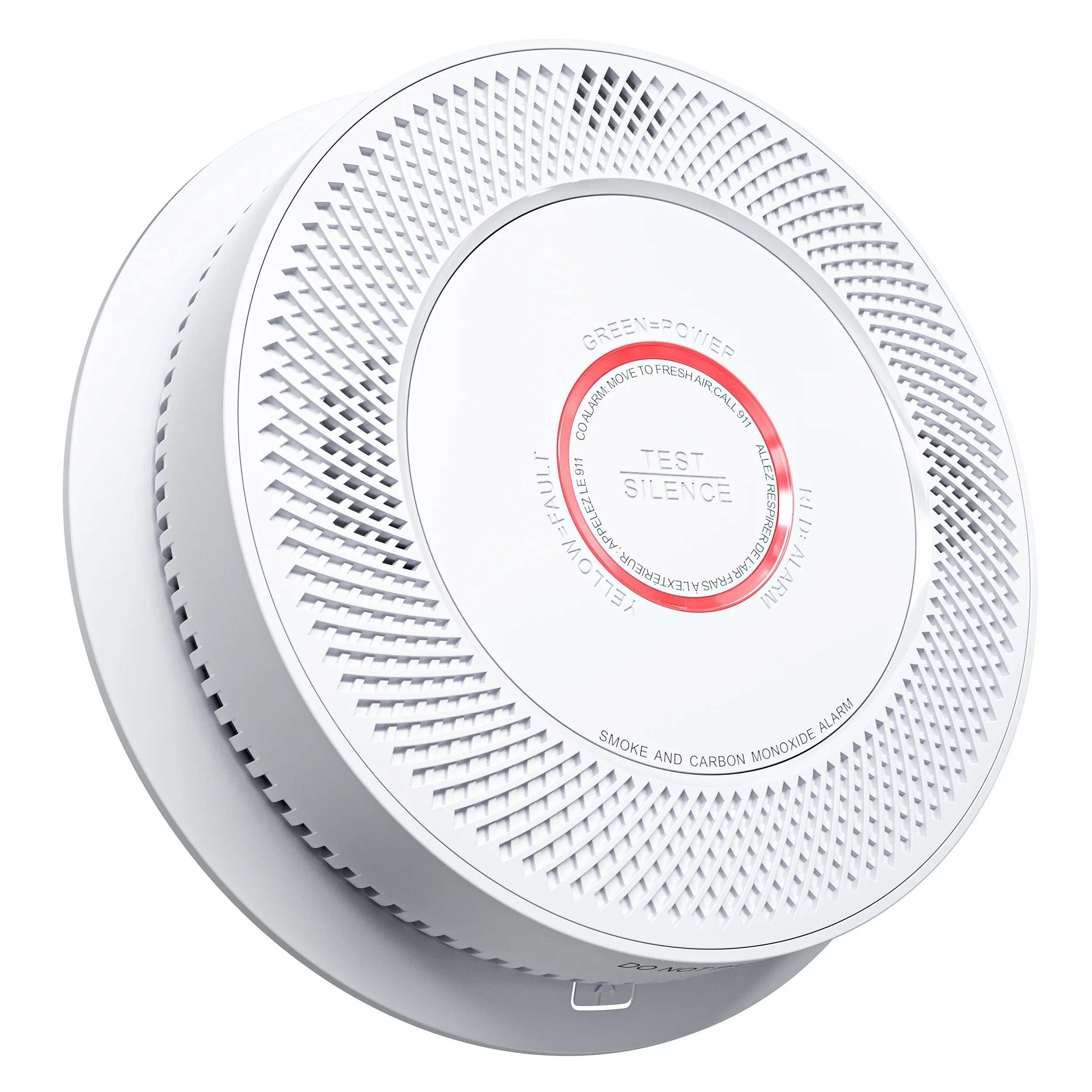
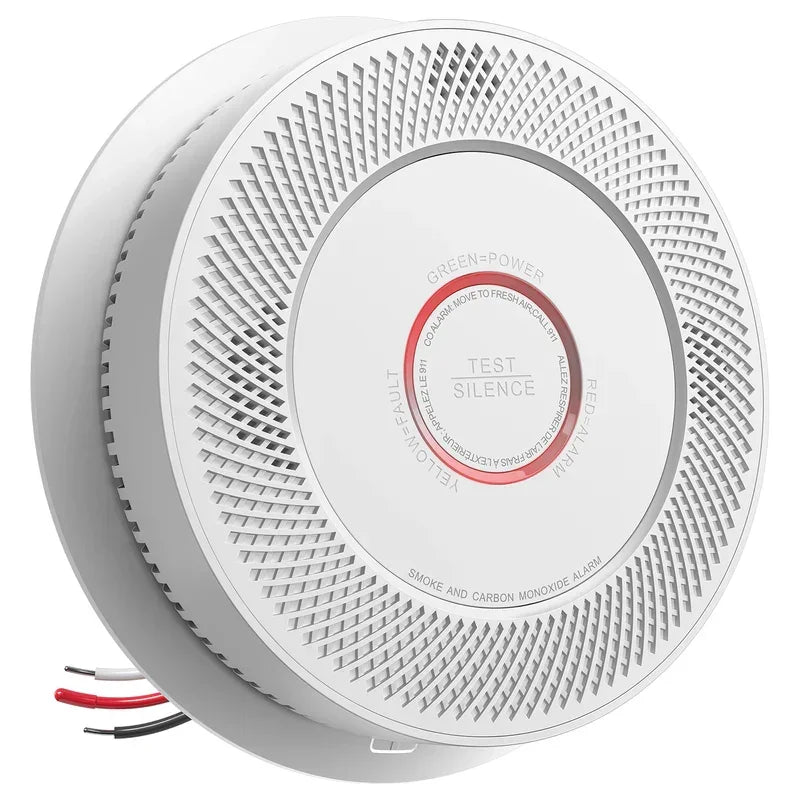
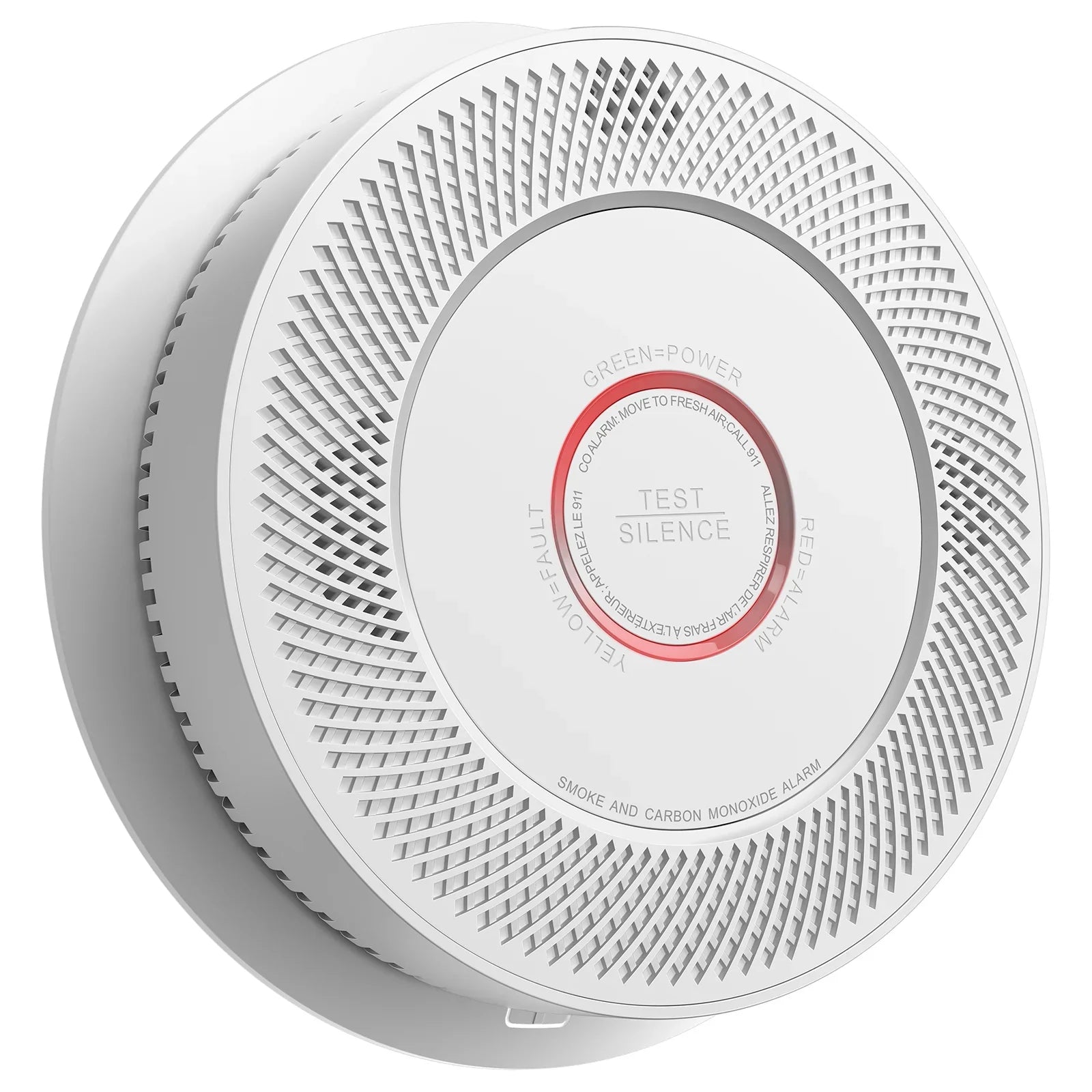
Openings around the alarm
allow smoke to enter from every direction.

Photoelectric sensing helps distinguish everyday cooking smoke from potential fire smoke.

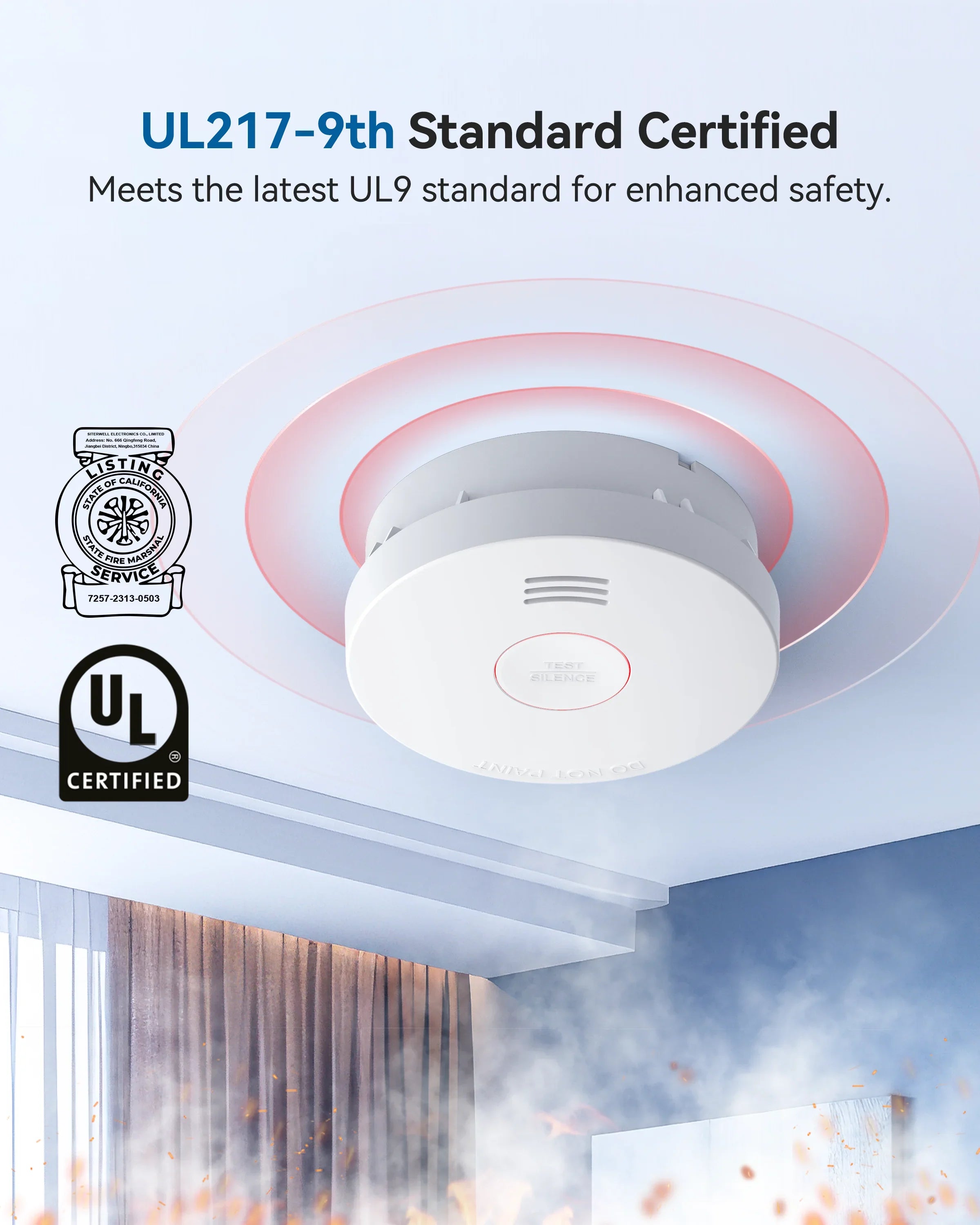
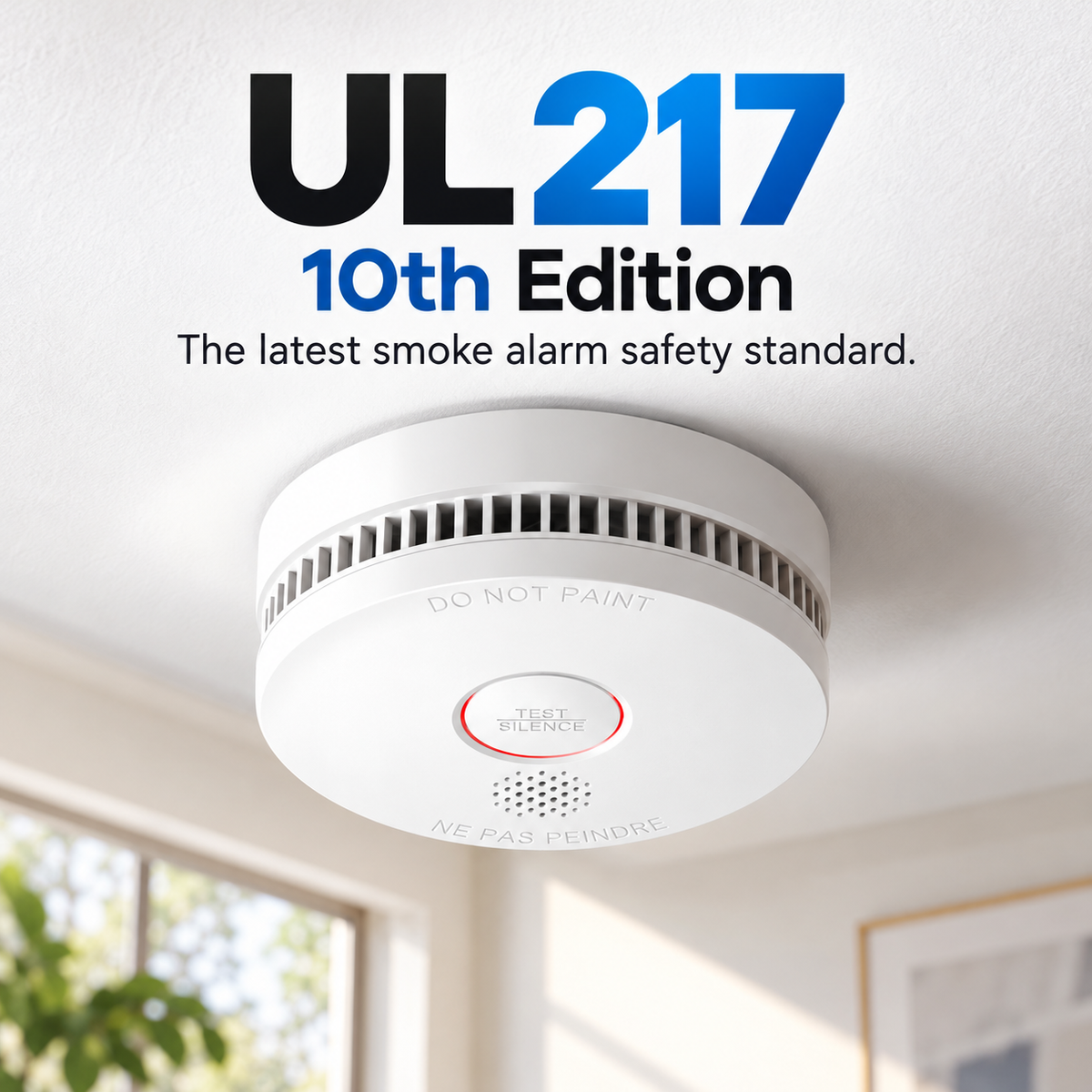
Certified to UL 217 and CAN/ULC-S531 safety standards for residential smoke alarms.

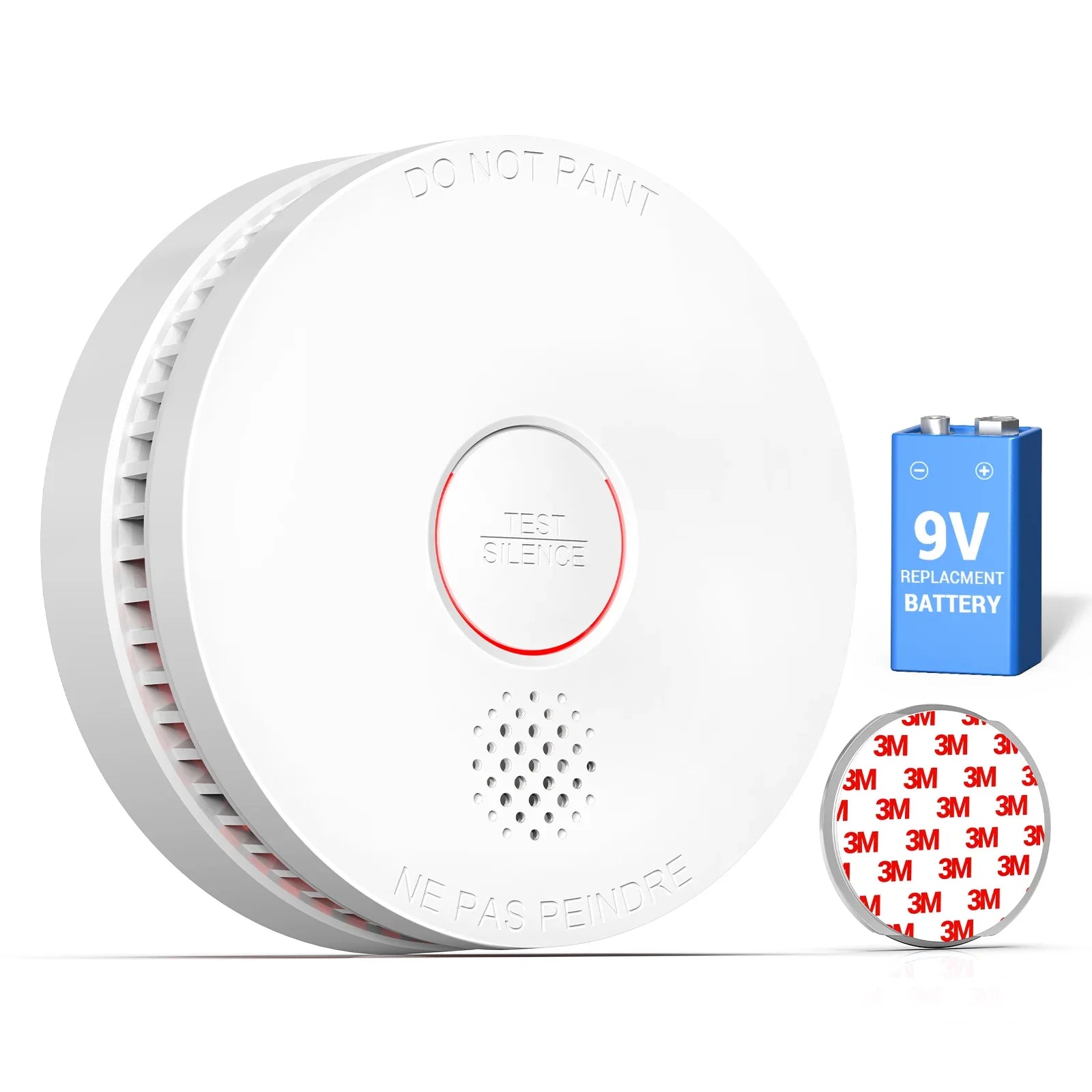
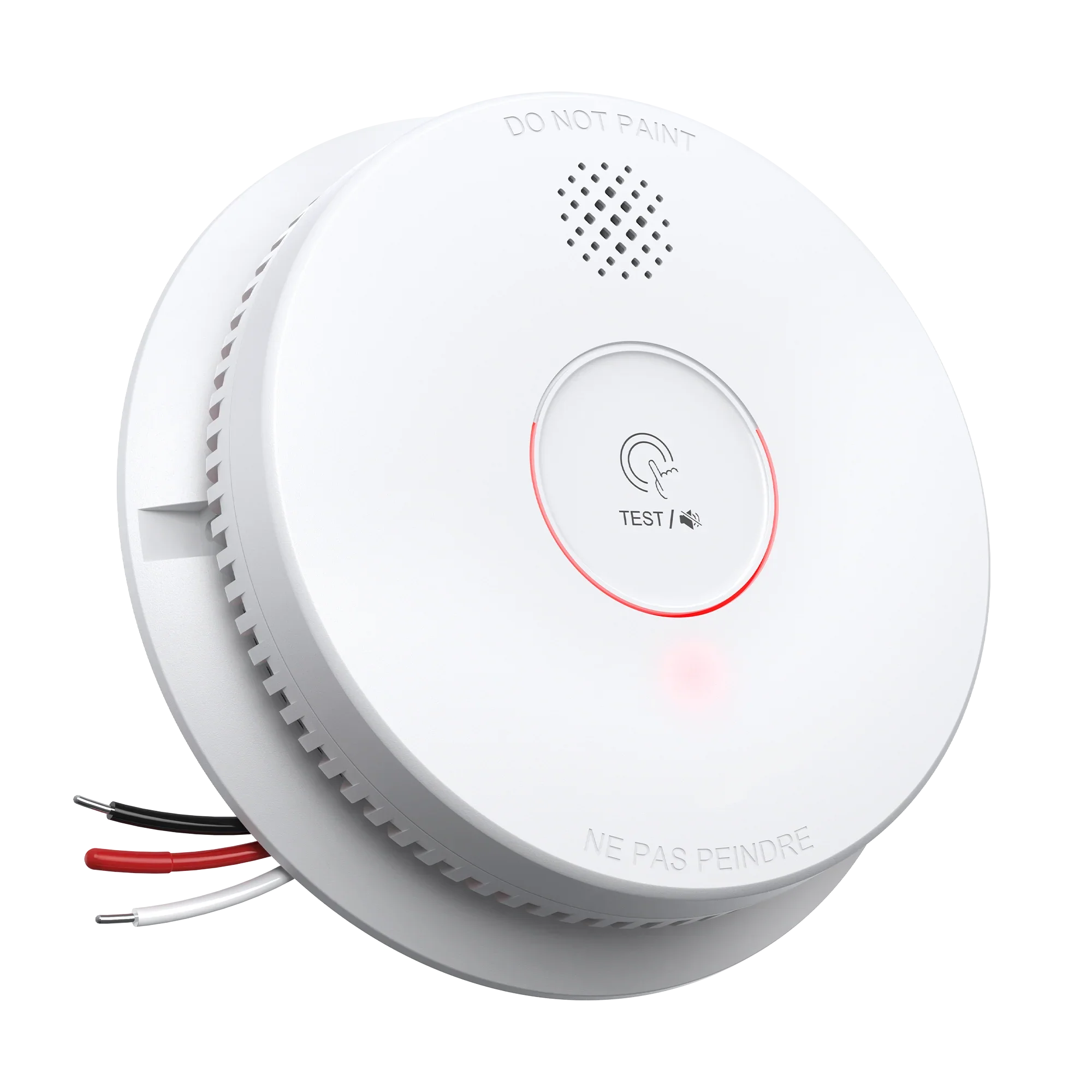
The large center button makes routine testing and temporary alarm silencing simple.

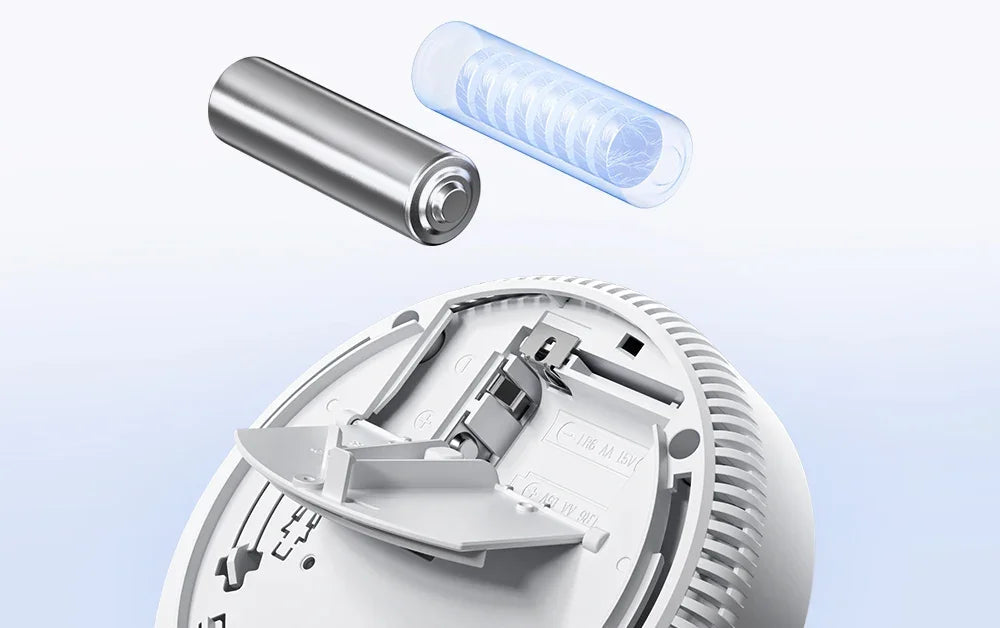
A replaceable battery and mounting plate provide dependable protection without household rewiring.

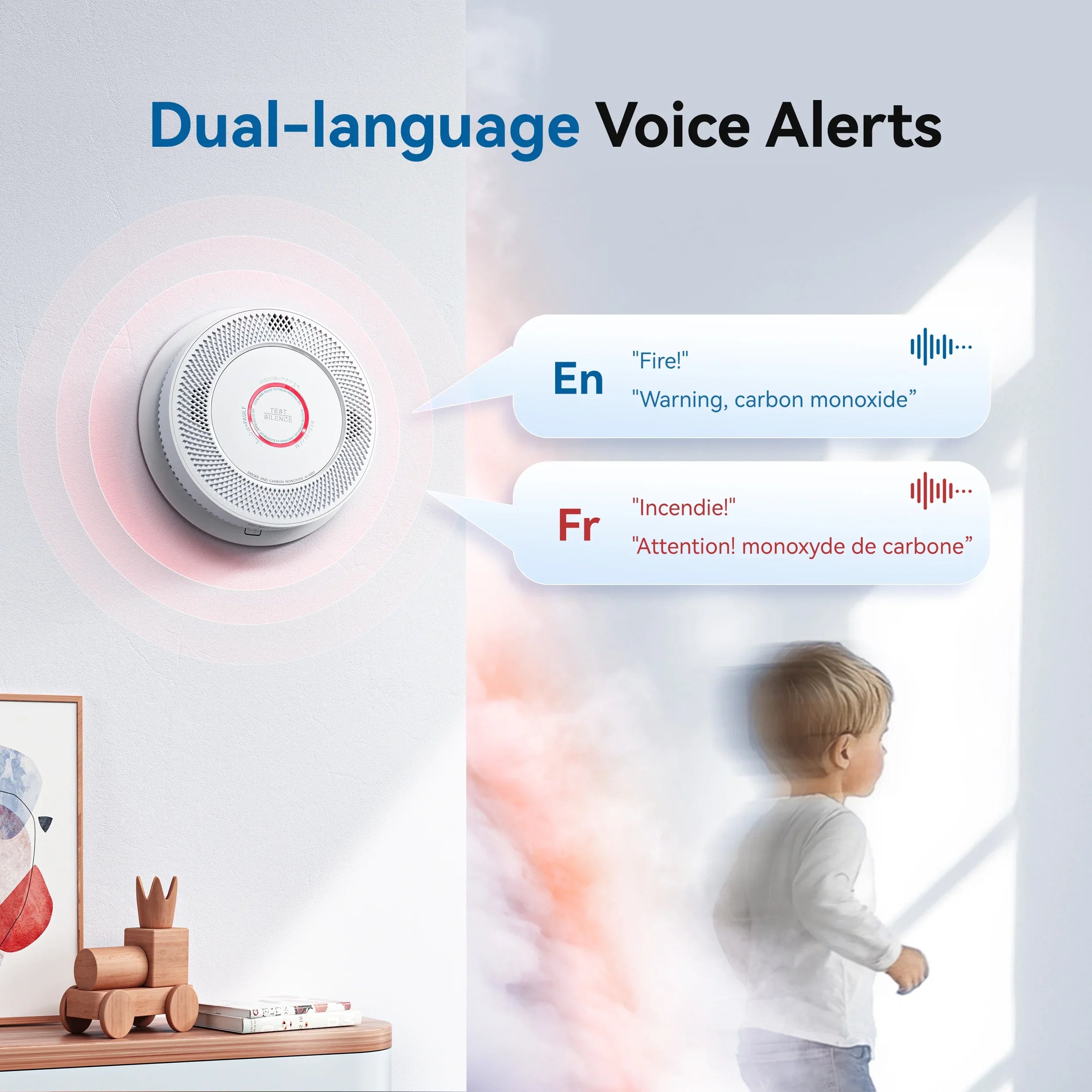
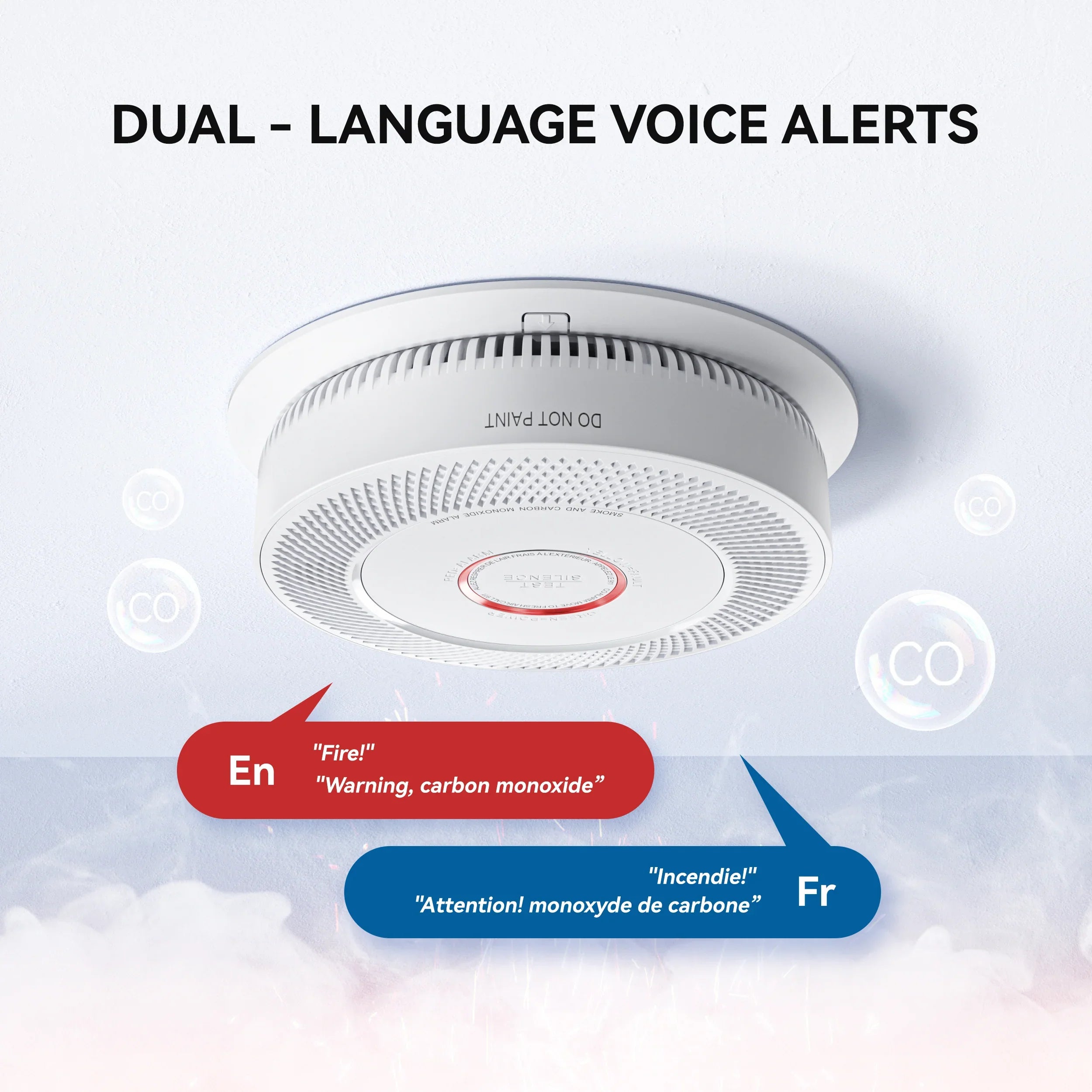
A powerful audible warning helps alert people in the room when smoke is detected.


Automatically adjusts for dust and environmental changes over time.


Photoelectric sensing detects smoke and triggers an 85 dB alarm to alert you to potential danger.


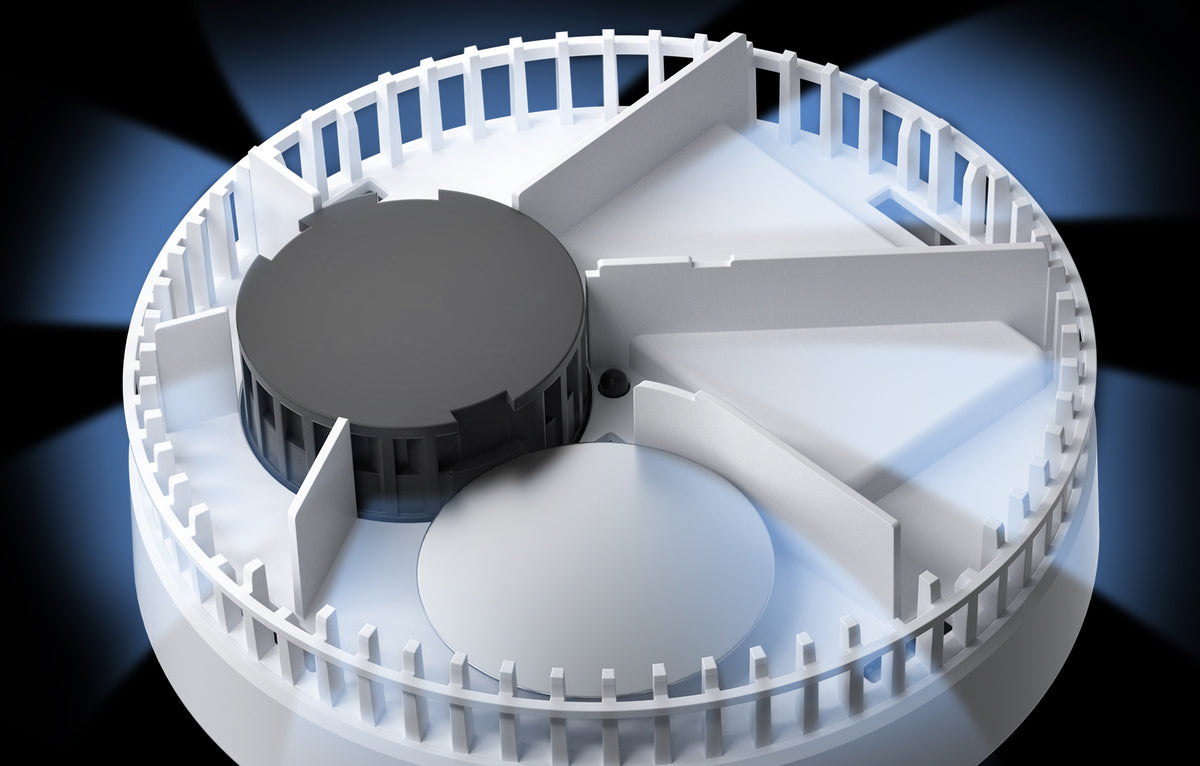
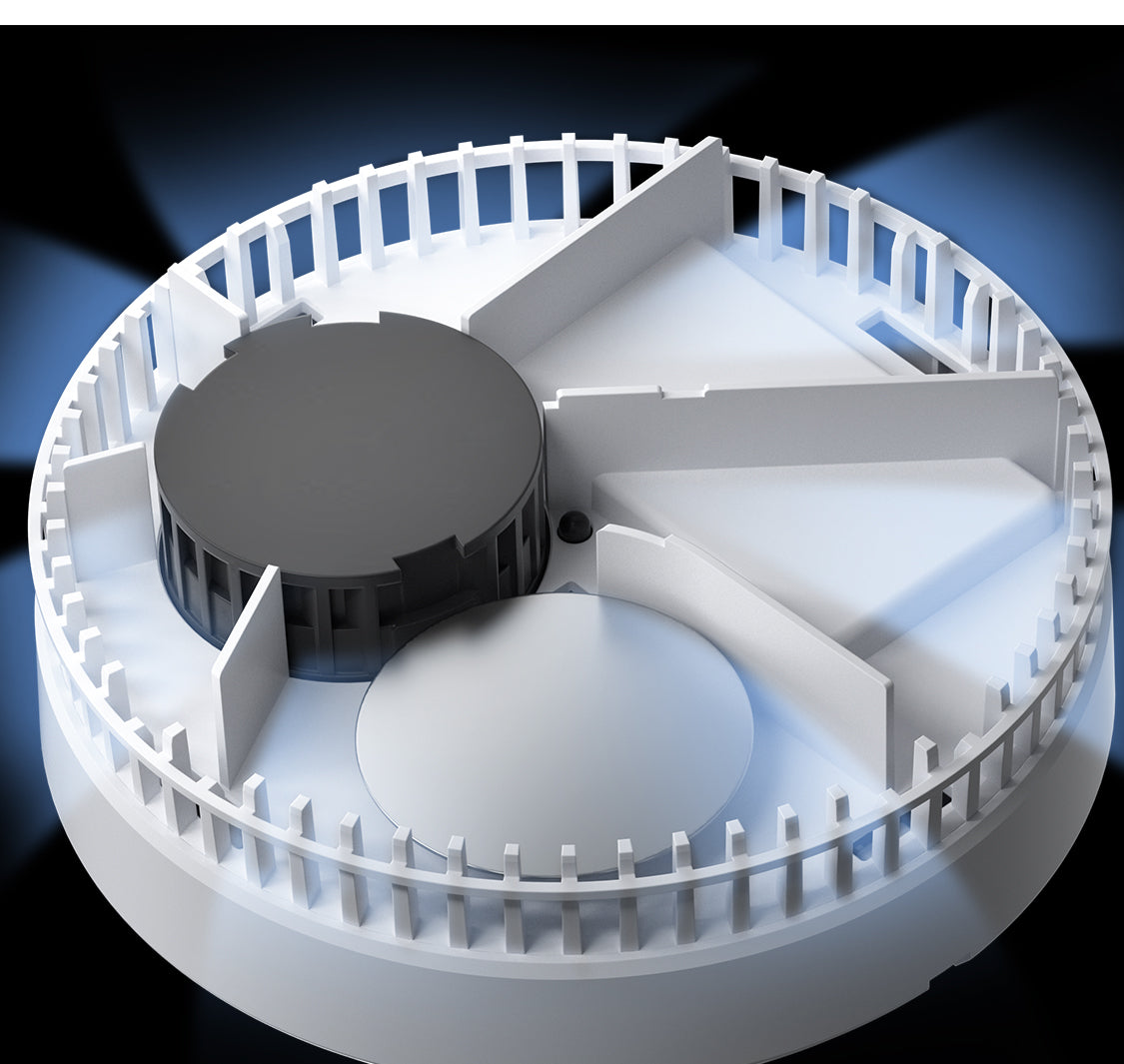
Internal baffles guide incoming smoke toward the sensing chamber, helping more smoke reach the sensor.

Two wavelengths of light help distinguish cooking smoke from fire smoke, reducing nuisance alarms during everyday cooking.


Pause low-battery chirps for up to 10 hours when you need time to replace the battery.
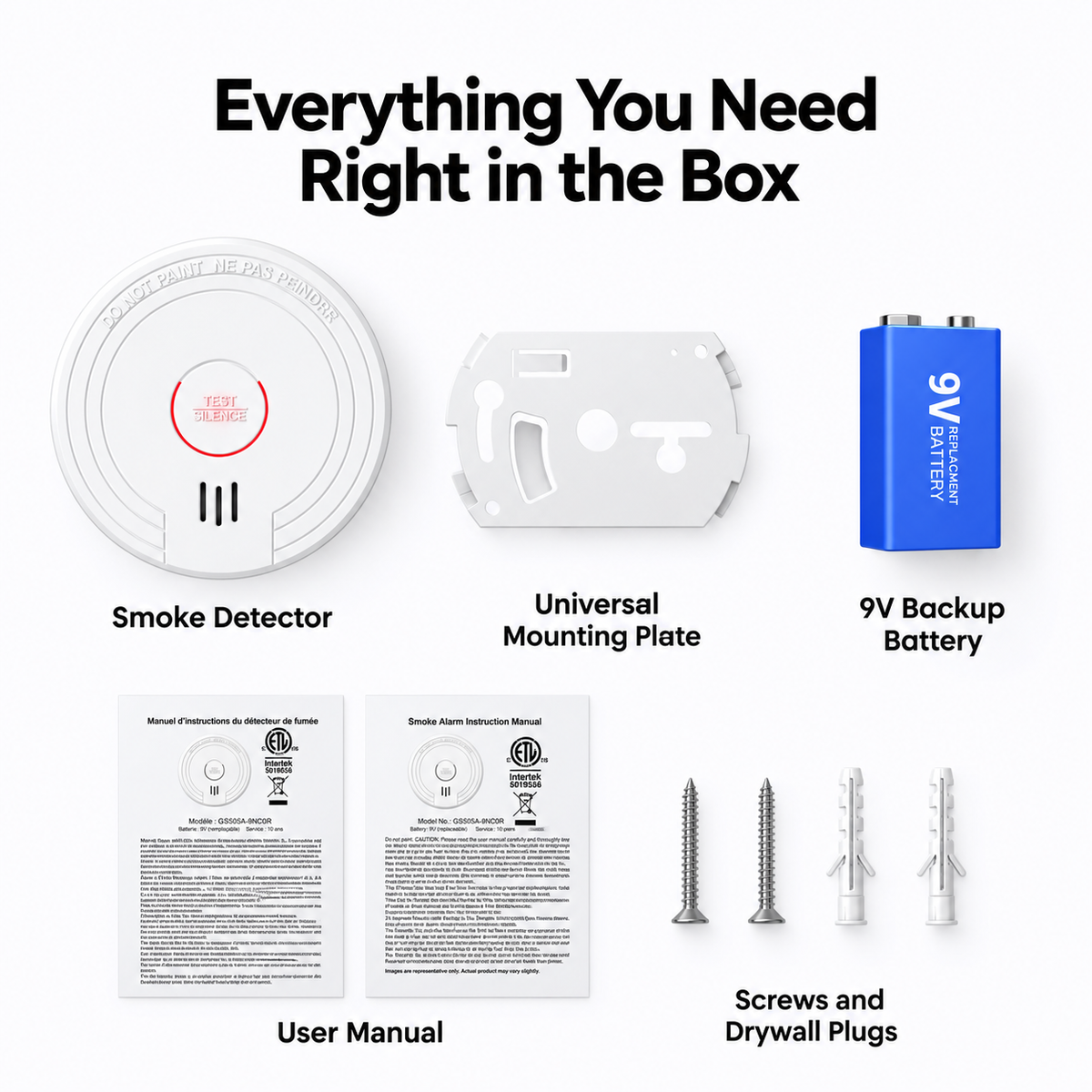
Right in the Box
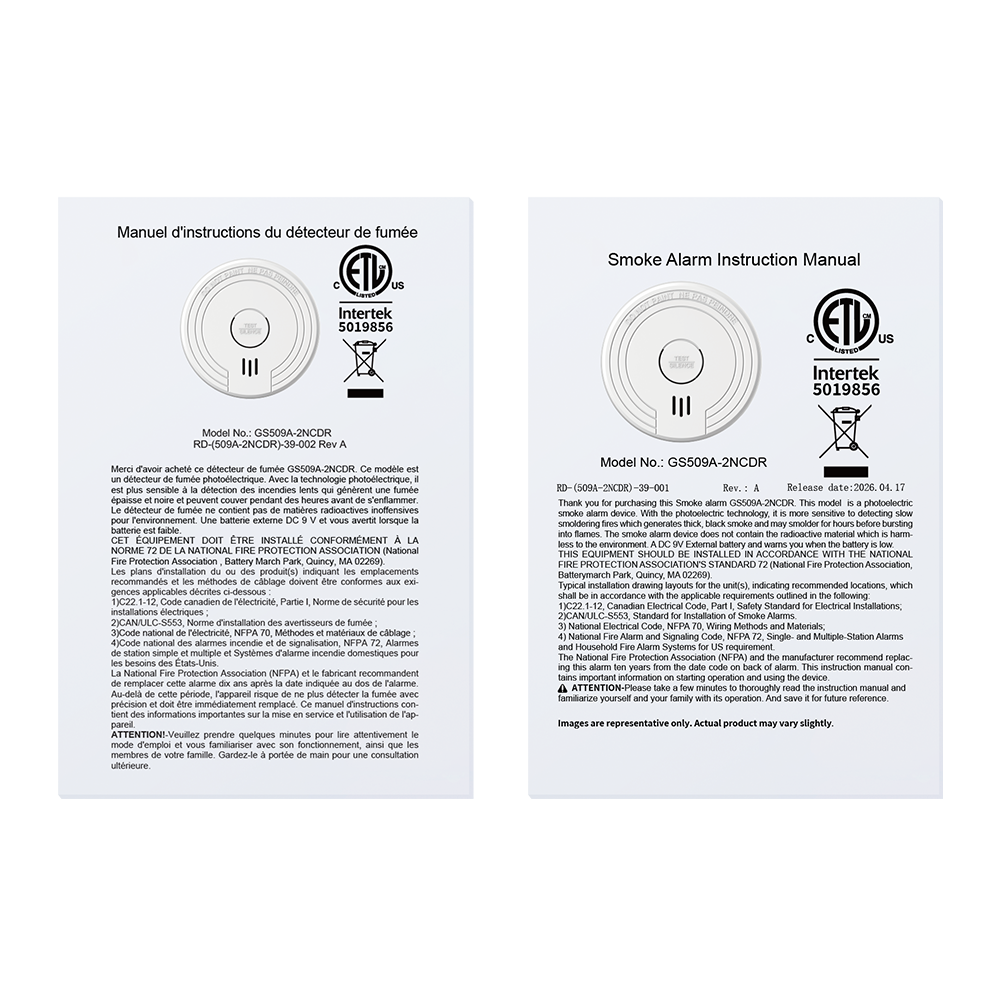
User Manual

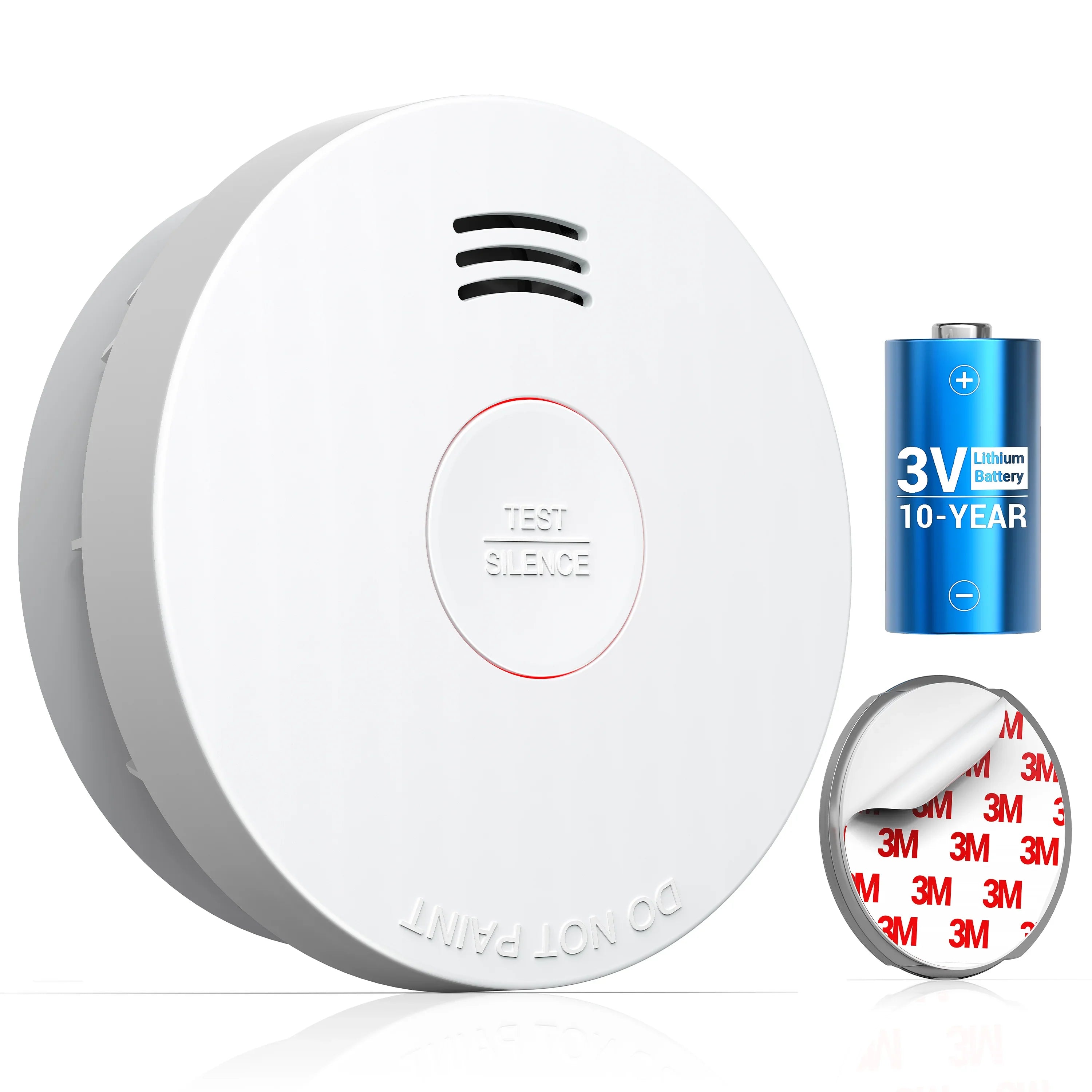
9V Battery
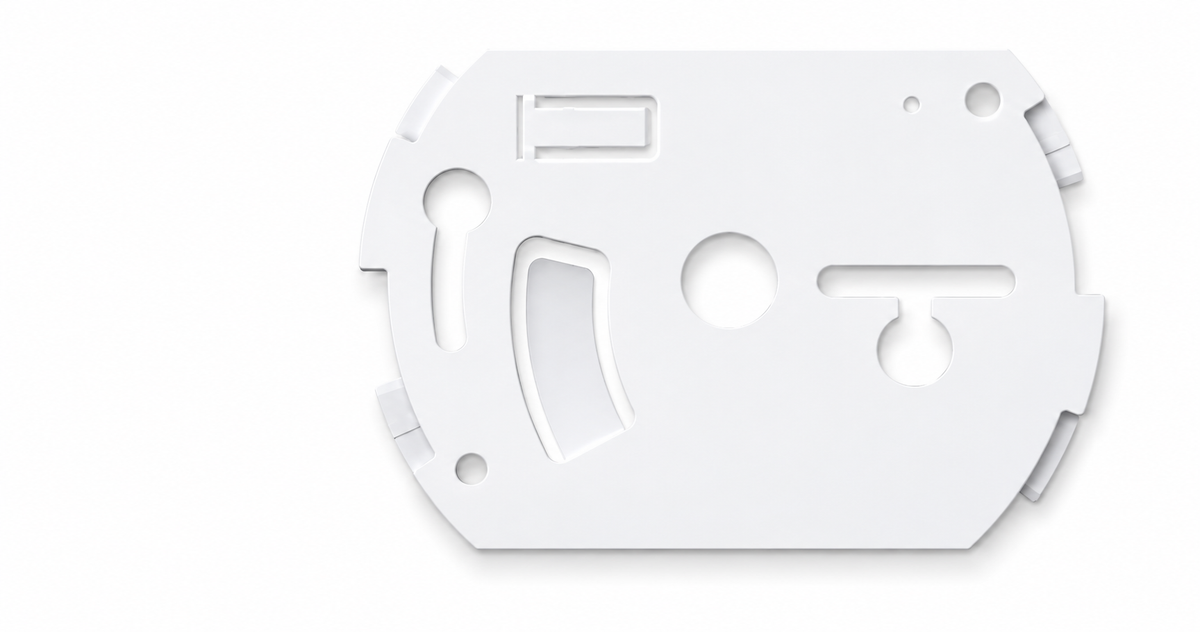
Universal Mounting
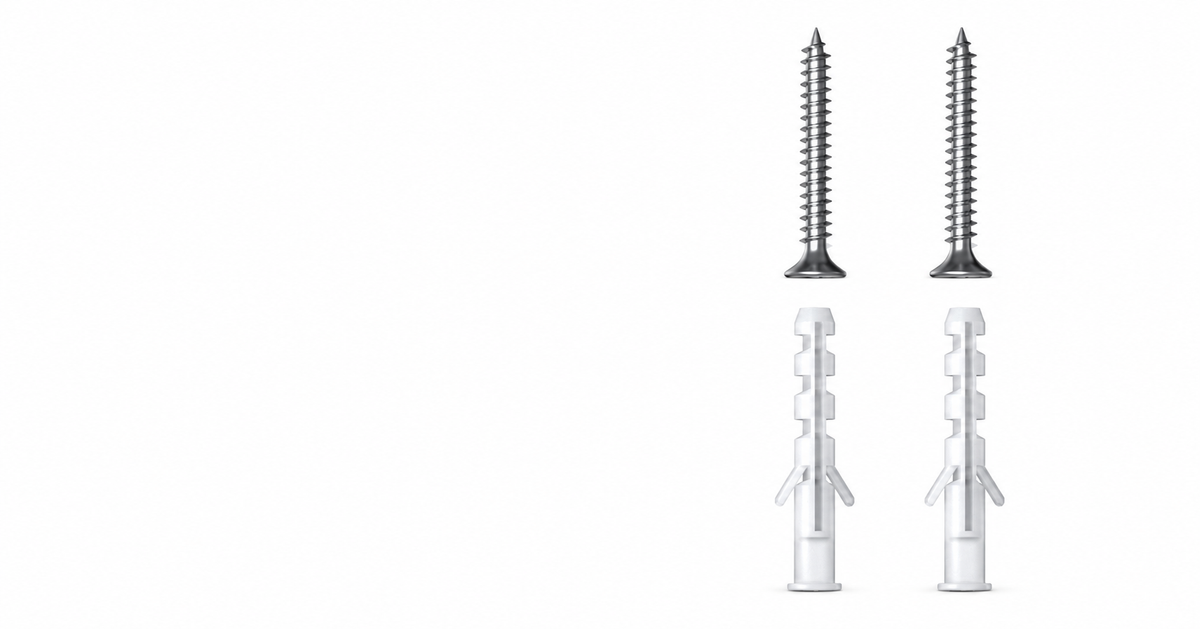
Drywall, and more
GS509A-2NCDR
Photoelectric
10 Years
DC 9V
Alarm Current: 30mA (MAX)
9V Battery (Replaceable)
1 Year
3.9 inches in diameter x 1.38 inches in height
Approx. 4.83 ounces (including battery)

The GS509A-2NCDR uses a replaceable 9V carbon-zinc battery; the manual lists Eveready 1222, GP1604S and Duracell MN1604. A fresh battery provides about one year of normal operation. When the battery runs low, the alarm chirps periodically; replace the battery within 7 days.
No. The 10-year figure is the product service life from the date of manufacture, not battery life. The 9V battery should be replaced about once a year, while the complete alarm should be replaced after 10 years.
Mount it with the supplied plate: drill two 5 mm holes 75 mm apart, insert the wall plugs, fix the mounting plate with the screws, then twist the alarm onto the plate. The manual specifies screw mounting; it does not use a magnet.
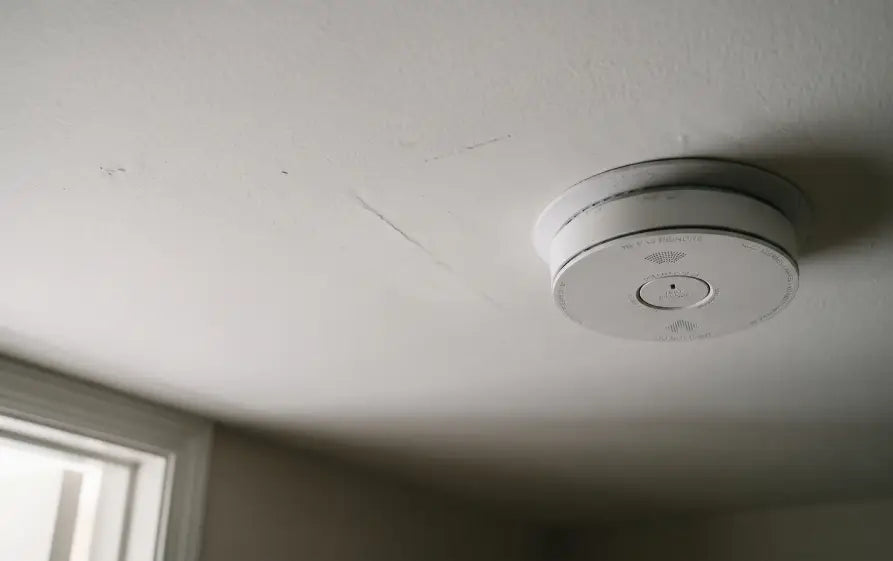
Ceiling mounting is preferred. Keep the alarm at least 4 inches from the side wall; on a wall, place the top edge 4–12 inches below the ceiling. Keep it 6 feet from cooking and heating appliances, and use only within 4.4–37.8°C and below 95% relative humidity. Do not use it in an RV or boat.
It can. The photoelectric sensor responds to smoke particles, but frying or broiling smoke can still trigger it if the unit is too close to the kitchen. Keep it at least 6 feet from cooking appliances; for a nuisance alarm, press TEST/SILENCE and ventilate. Do not remove the battery.
Press and hold TEST/SILENCE for longer than 2 seconds, once a week. The alarm should sound three long beeps and the red LED should flash with the alarm pattern. If the test does not sound, check the battery and replace the unit if the problem continues.
A periodic chirp usually means the 9V battery is low; replace it within 7 days. If a fresh battery does not stop the chirp, the unit may have a fault; replace the alarm. Do not remove the battery and leave the unit without protection.
If you are sure the alarm is false, press TEST/SILENCE once to silence it for about 8 minutes, then open a window or fan the air. Dense smoke overrides the silence. Never remove the battery to stop an alarm.
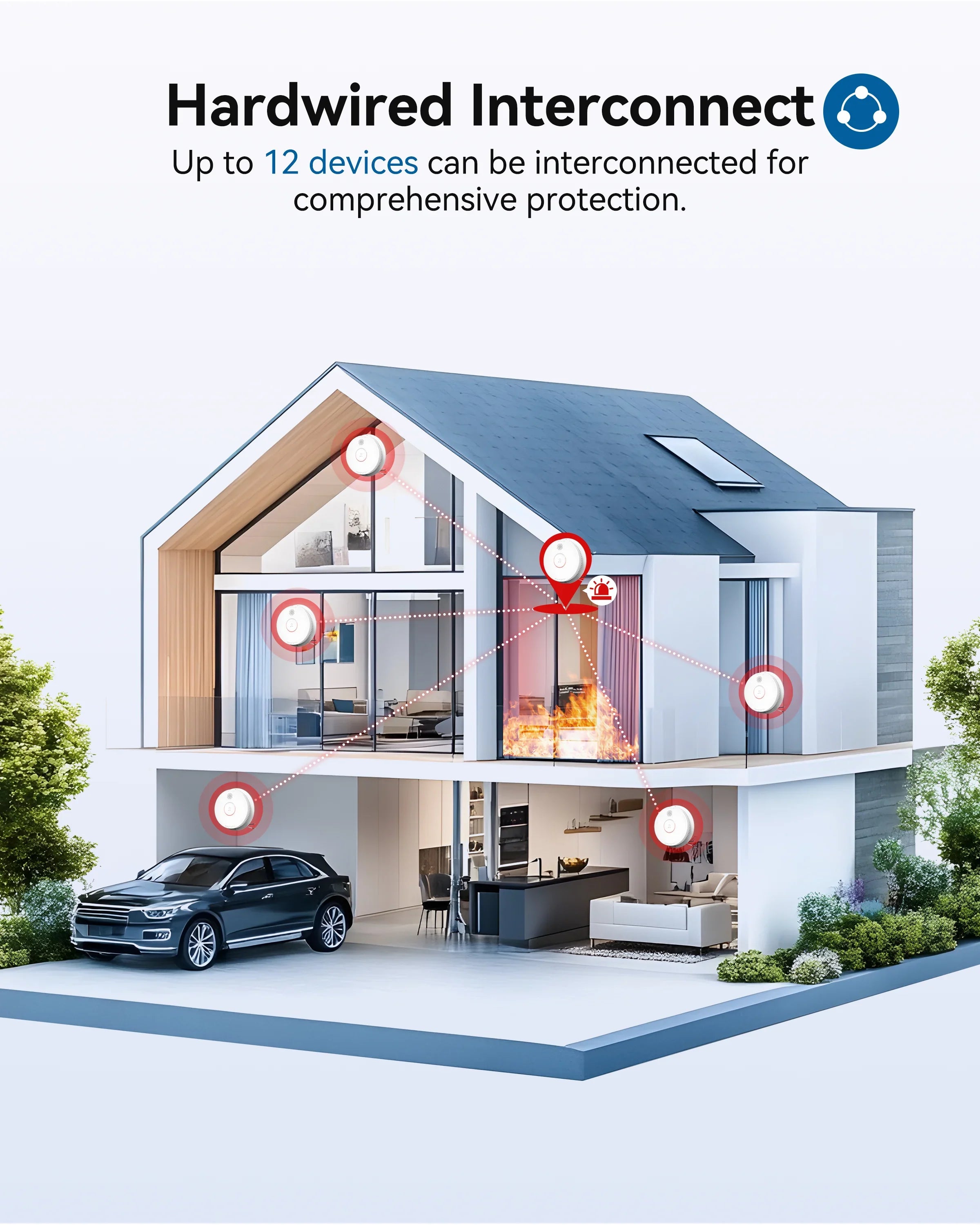
No. The GS509A-2NCDR is a standalone alarm. It does not support hardwired interconnection or wireless linking, so each unit operates independently. If you need whole-home interconnection, choose a hardwired or wireless interconnected model from the 886 series.
Treat every alarm as a real fire. Get everyone outside, call 911, and stay out until firefighters say it is safe. Do not remove the battery or re-enter to look for smoke. If you know the alarm was caused by cooking, ventilate only after everyone is safe.
The manual lists UL 217 and CAN/ULC S531. These are the standards cited for this model; confirm the current listing and edition on the product label and in the manual. It is not a substitute for a complete fire alarm system.
The manual states a 36-month limited warranty from the date of purchase. The battery is excluded, and the warranty covers material or production defects rather than normal wear. Keep your receipt, because warranty claims require proof of purchase.