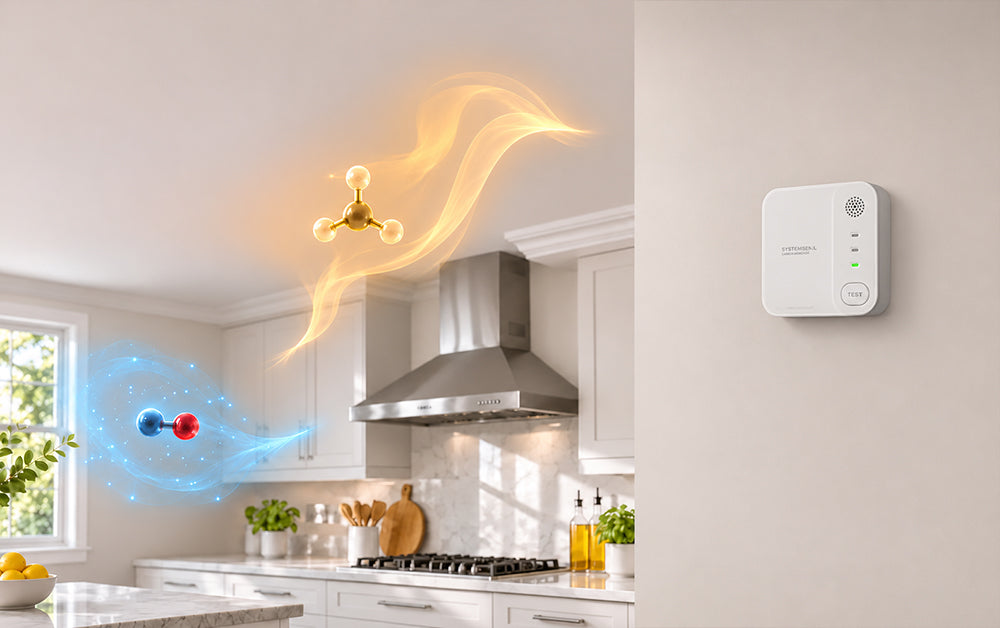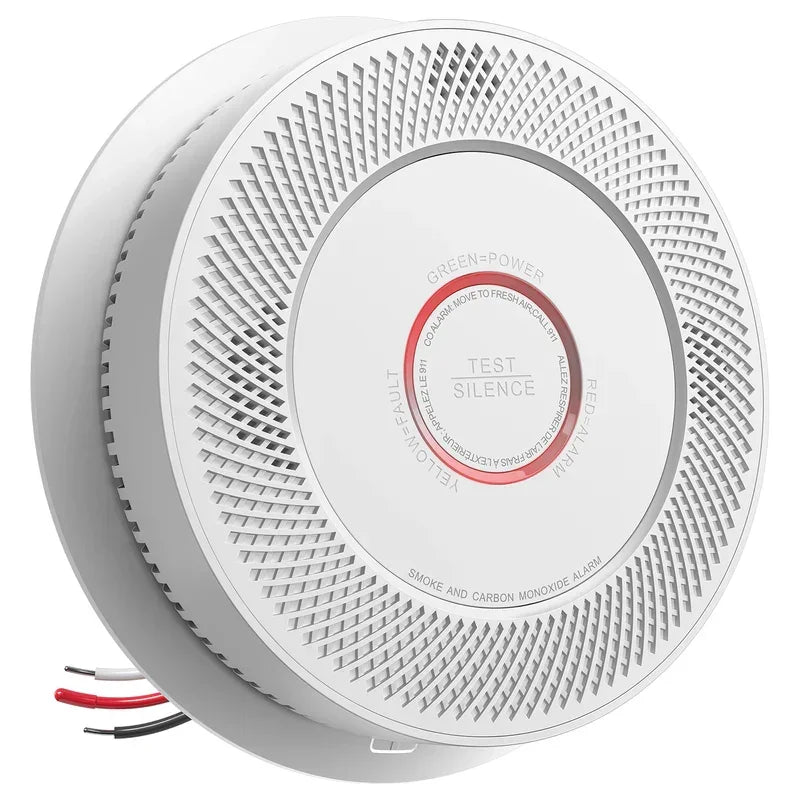


A carbon monoxide (CO) alarm sounding in your home is something you should never ignore.
Carbon monoxide is a poisonous gas you can't see, smell, or taste. It can build up indoors without any obvious warning, and exposure can become dangerous before you realize what's happening.
If your CO alarm sounds, don't wait to see if it stops. Get everyone outside to fresh air immediately, then call 911 from a safe location.
Knowing what to do before an alarm goes off can help your family respond quickly and avoid unnecessary risks.
1. What to Do When Your CO Alarm Sounds
Treat a CO alarm as a potential emergency, even if nobody feels sick.
Follow these steps:
Step 1: Get Everyone Outside
Leave the house immediately and move to fresh air outdoors. Don't stop to collect belongings or look for the source of the carbon monoxide.
Step 2: Call 911 From Outside
Once everyone is safely outside, call 911 or your local emergency services. Explain that your CO alarm has sounded and that carbon monoxide exposure may be involved.
Step 3: Account for Everyone
Make sure everyone in your household is outside. Tell emergency responders if anyone is missing, having difficulty leaving, or experiencing symptoms.
Don't go back inside to look for someone or retrieve a pet. Let emergency responders know if anyone or any animal may still be inside.
Step 4: Stay Outside Until It's Safe to Return
Remain in fresh air and wait for emergency personnel to assess the situation. Don't reenter the home until they tell you it's safe.
Remember: An alarm that stops sounding doesn't necessarily mean the danger has passed. Only return after emergency responders have cleared the home.

2. Why You Shouldn't Stay Inside to Open Windows or Find the Source
When a CO alarm goes off, opening windows or doors might seem like a quick way to clear the air. But ventilation alone isn't a safe solution.
Here's why:
- The source may still be active. A malfunctioning furnace, water heater, or other fuel-burning appliance could continue producing carbon monoxide.
- You can't tell whether the air is safe. Carbon monoxide has no smell or visible signs, so there's no way to judge indoor CO levels just by looking or breathing.
- Exposure can affect your ability to react. Headaches, dizziness, and confusion can make it harder to think clearly and get to safety.
Don't delay your exit to open windows, turn off appliances, or investigate. Get outside first and let emergency personnel handle the situation.
3. Know the Symptoms of Carbon Monoxide Poisoning
Carbon monoxide exposure can be difficult to recognize because its early symptoms often resemble the flu.
Common symptoms include:
- Headaches.
- Dizziness or lightheadedness.
- Weakness or unusual fatigue.
- Nausea and vomiting.
- Shortness of breath.
- Chest pain.
- Confusion or difficulty concentrating.
More severe exposure can lead to loss of coordination, unconsciousness, and even death.
One thing to watch for: If several people in your household develop similar symptoms around the same time, especially when indoors, CO exposure could be a possibility.
If anyone experiences symptoms, get everyone outside immediately and call 911. Seek medical attention even if symptoms improve after reaching fresh air.
And remember, you don't need to feel sick for a CO alarm to be taken seriously. Always respond to an alarm, even when everyone feels fine.

4. How to Help Prevent Carbon Monoxide Problems at Home
You can't eliminate every risk, but a few everyday habits can help reduce the chance of carbon monoxide building up in your home.
- Install CO Alarms in the Right Places
Place CO alarms on every level of your home and outside sleeping areas.
Always follow local requirements and the manufacturer's installation instructions.
- Test Your CO Alarms Every Month
Use the test button at least once a month, following the manufacturer's instructions.
Pay attention to low-battery warnings and end-of-life signals. Replace batteries or the entire alarm as directed. If an alarm indicates a fault or reaches the end of its service life, don't ignore it.
- Have Fuel-Burning Appliances Inspected Regularly
Have your furnace, water heater, fireplace, and other fuel-burning appliances inspected and serviced by a qualified professional at least once a year.
Regular maintenance can help identify damaged components, ventilation problems, and other issues that may lead to CO buildup.
- Use Generators Outdoors—At Least 20 Feet From Your Home
Portable generators produce carbon monoxide and should never be operated inside your home, garage, basement, or any enclosed or partially enclosed space.
Keep generators outdoors at least 20 feet away from your home, with the exhaust directed away from doors, windows, and other openings.
- Never Run a Car in an Attached Garage
Even with the garage door open, vehicle exhaust can enter your home.
If you need to warm up your car, move it outside immediately after starting it. Never leave a running vehicle in an attached garage.
- Don't Use Your Oven or Stove to Heat Your Home
Gas ranges and ovens are designed for cooking, not space heating. Using them to warm your home can expose your family to dangerous levels of carbon monoxide.
Use heating equipment only for its intended purpose and according to the manufacturer's instructions.
- Keep Vents and Exhaust Outlets Clear
Make sure chimneys, furnace vents, and other exhaust outlets aren't blocked by leaves, debris, snow, or ice.
This is especially important during winter. After heavy snowfall, check outdoor vents to make sure they're clear and that fuel-burning appliances can vent properly.

A Working CO Alarm Is an Important Part of Home Safety
Carbon monoxide is a hazard you can't see or smell, but a properly installed and maintained CO alarm can provide an important early warning.
The key is knowing how to respond when it sounds, keeping fuel-burning appliances in good condition, and making sure your alarms are working as intended.
A few simple precautions can make a real difference in helping protect your household.