
Filters
15 products



SITERWELL Product FAQs
Common questions about the SITERWELL range: detectors, alarms and smart climate control.
What products does SITERWELL make?
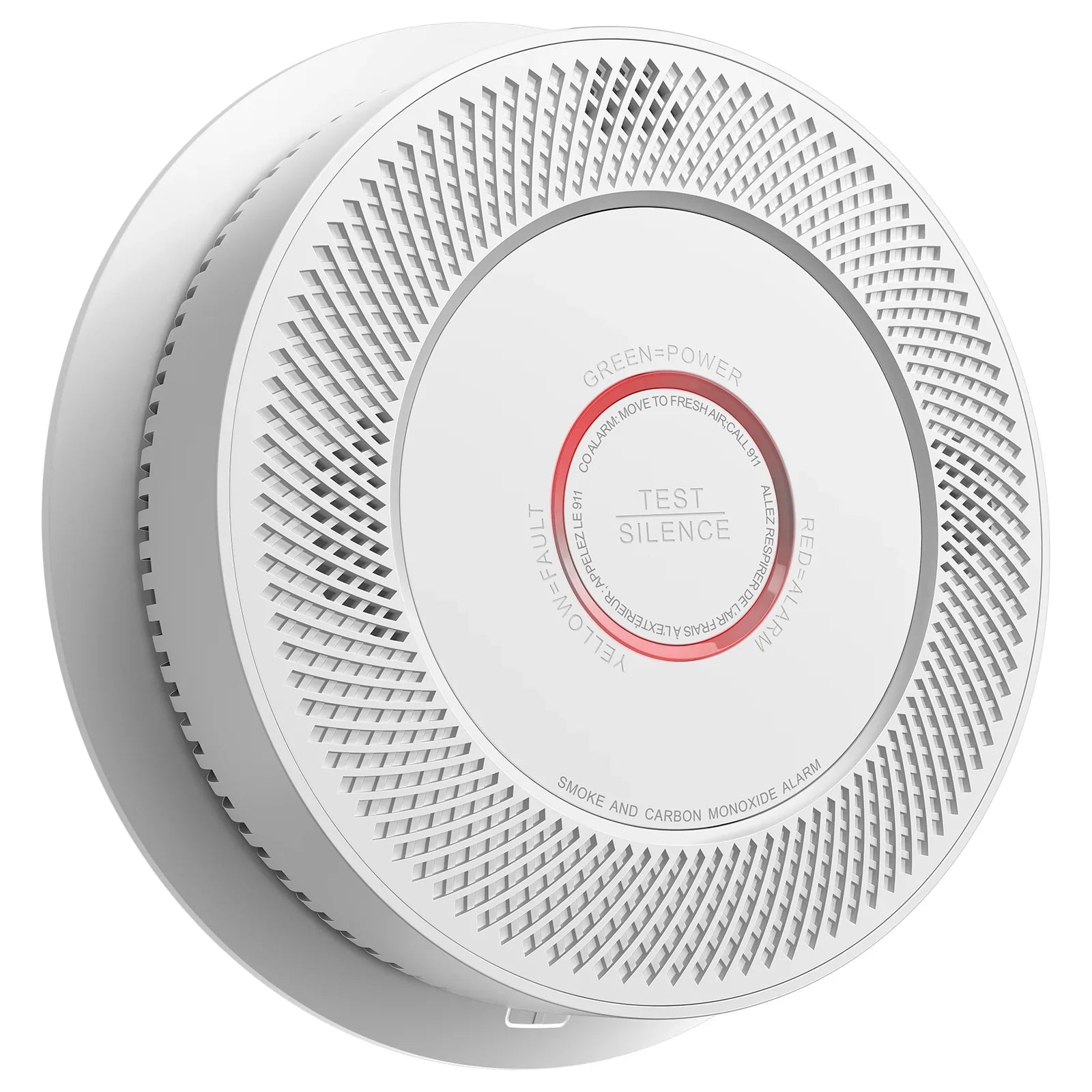
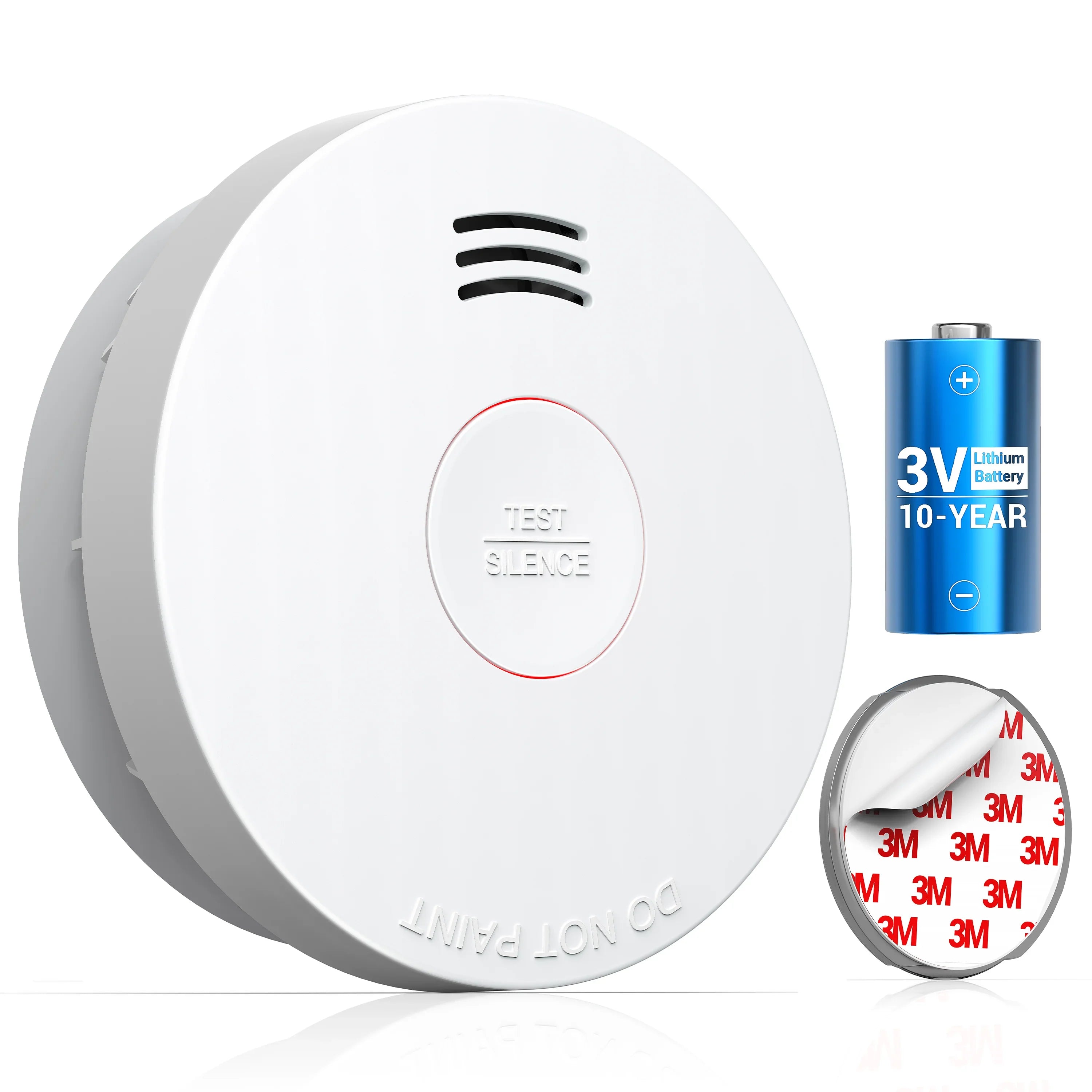
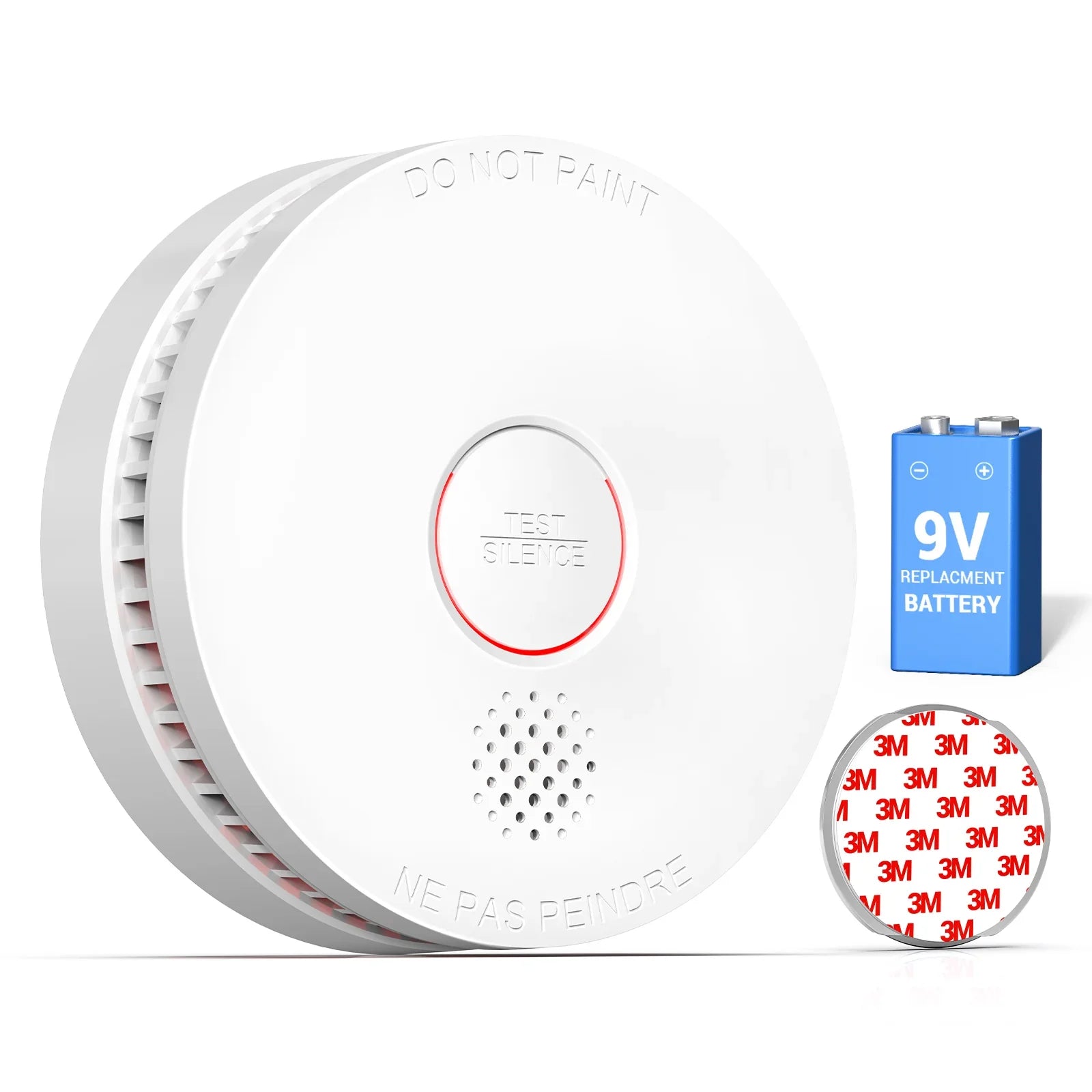
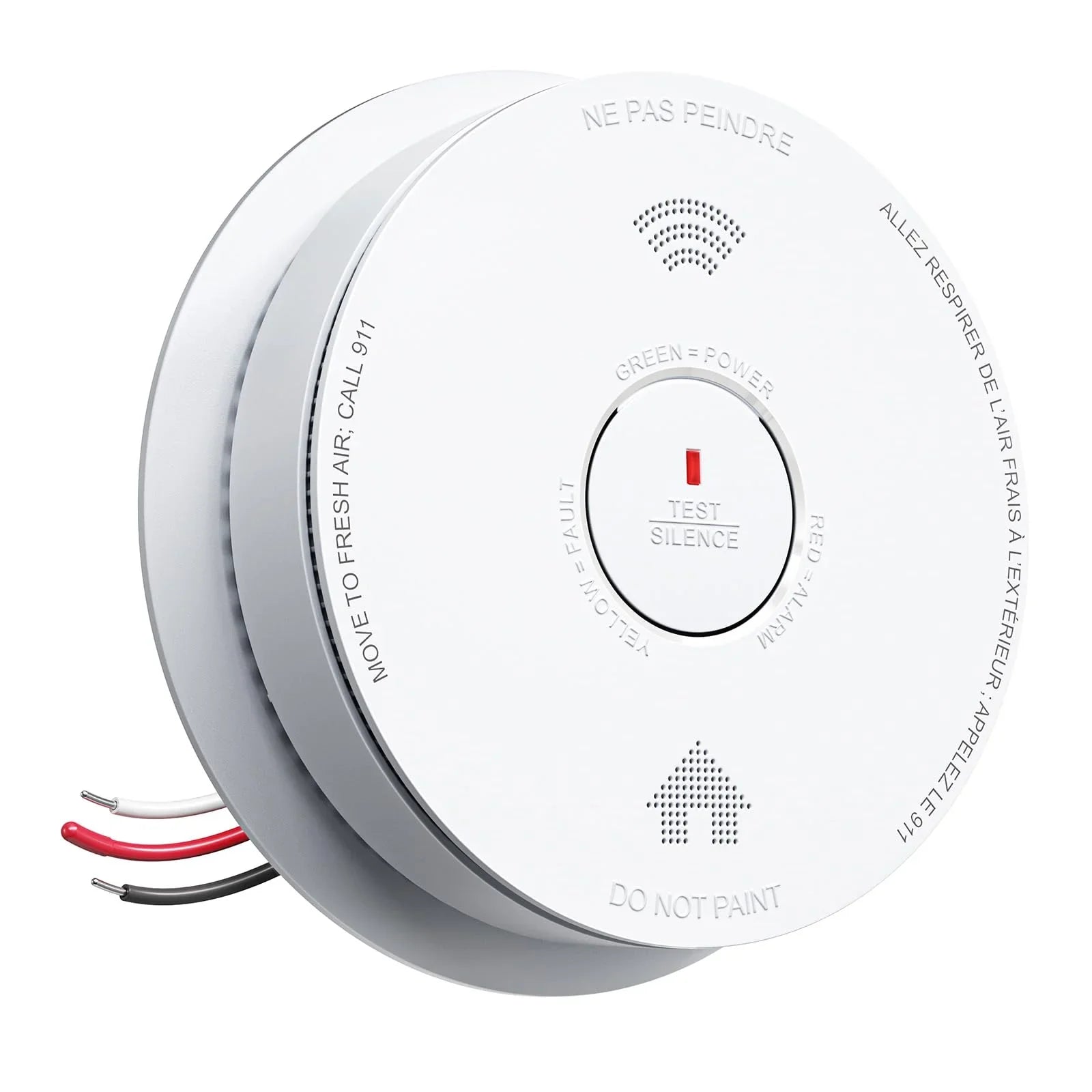
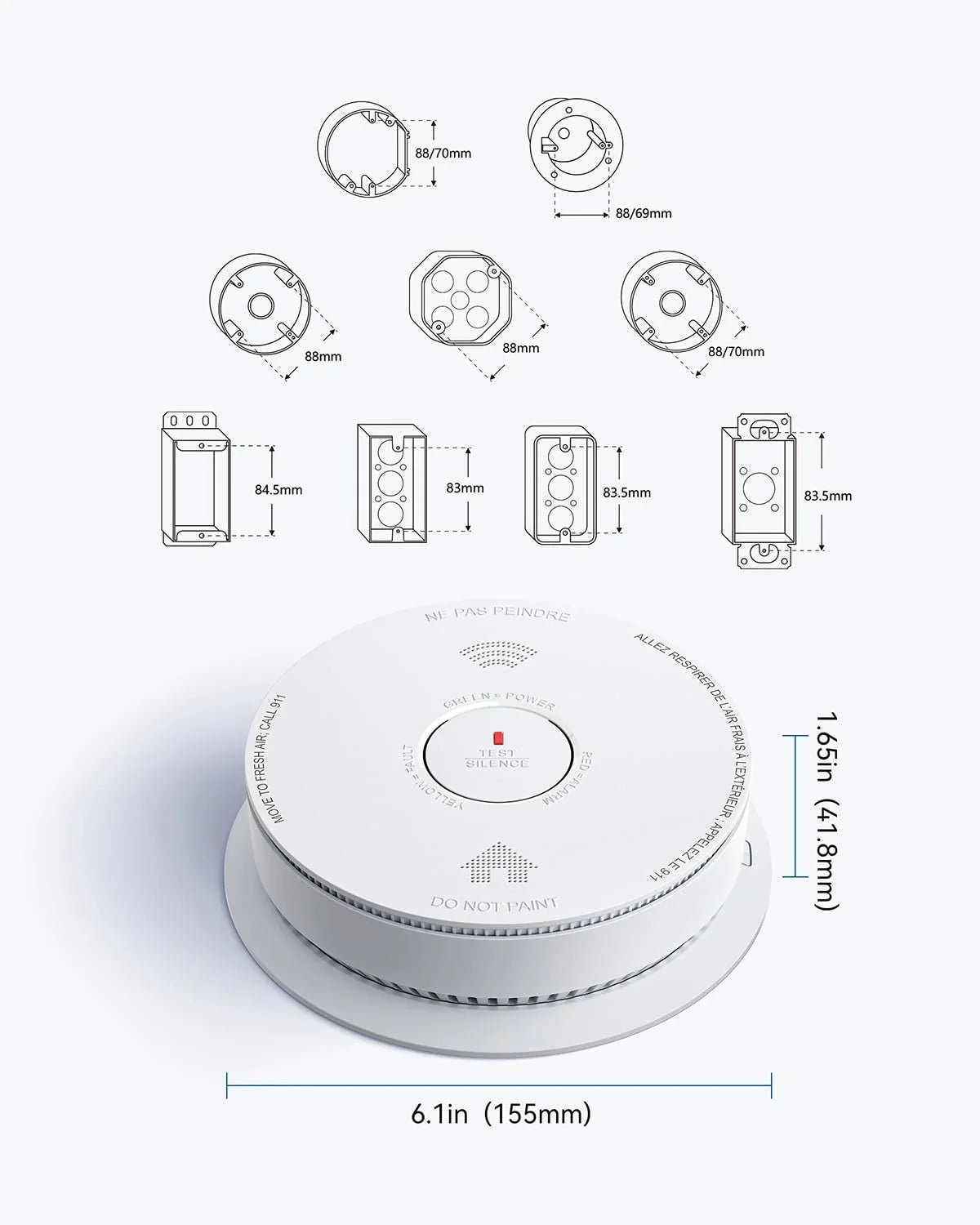
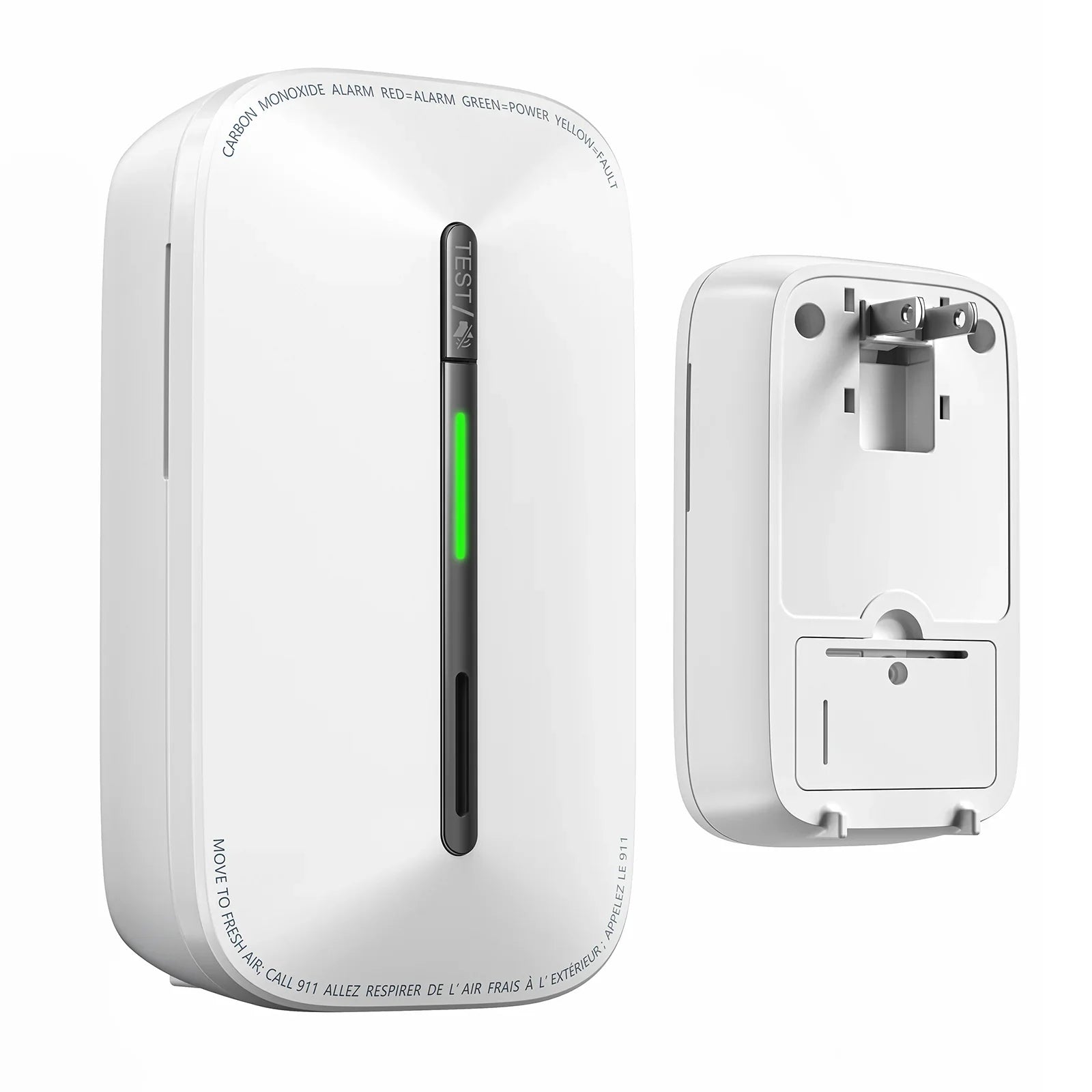
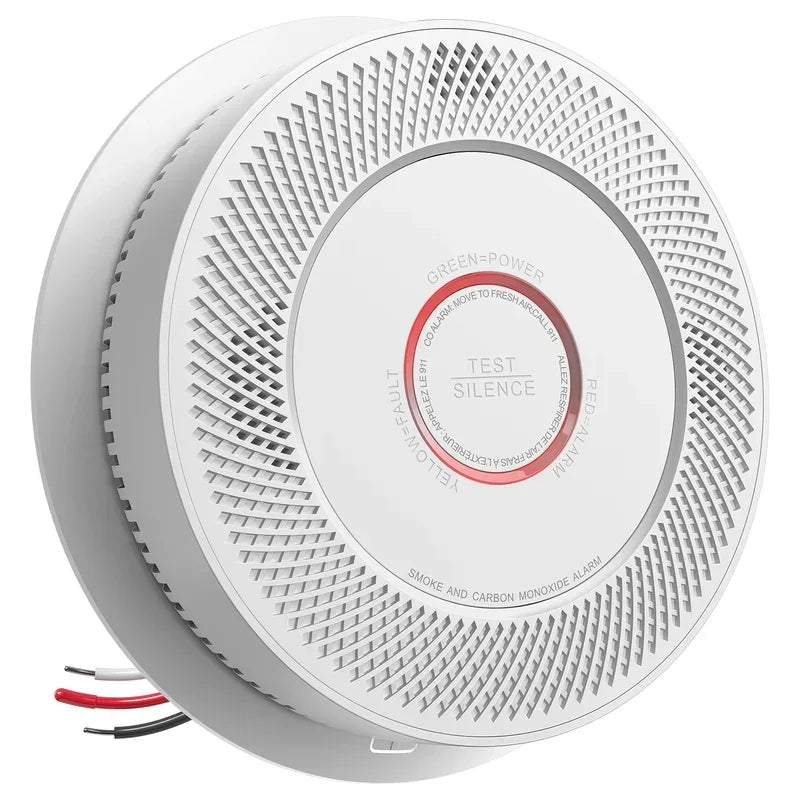
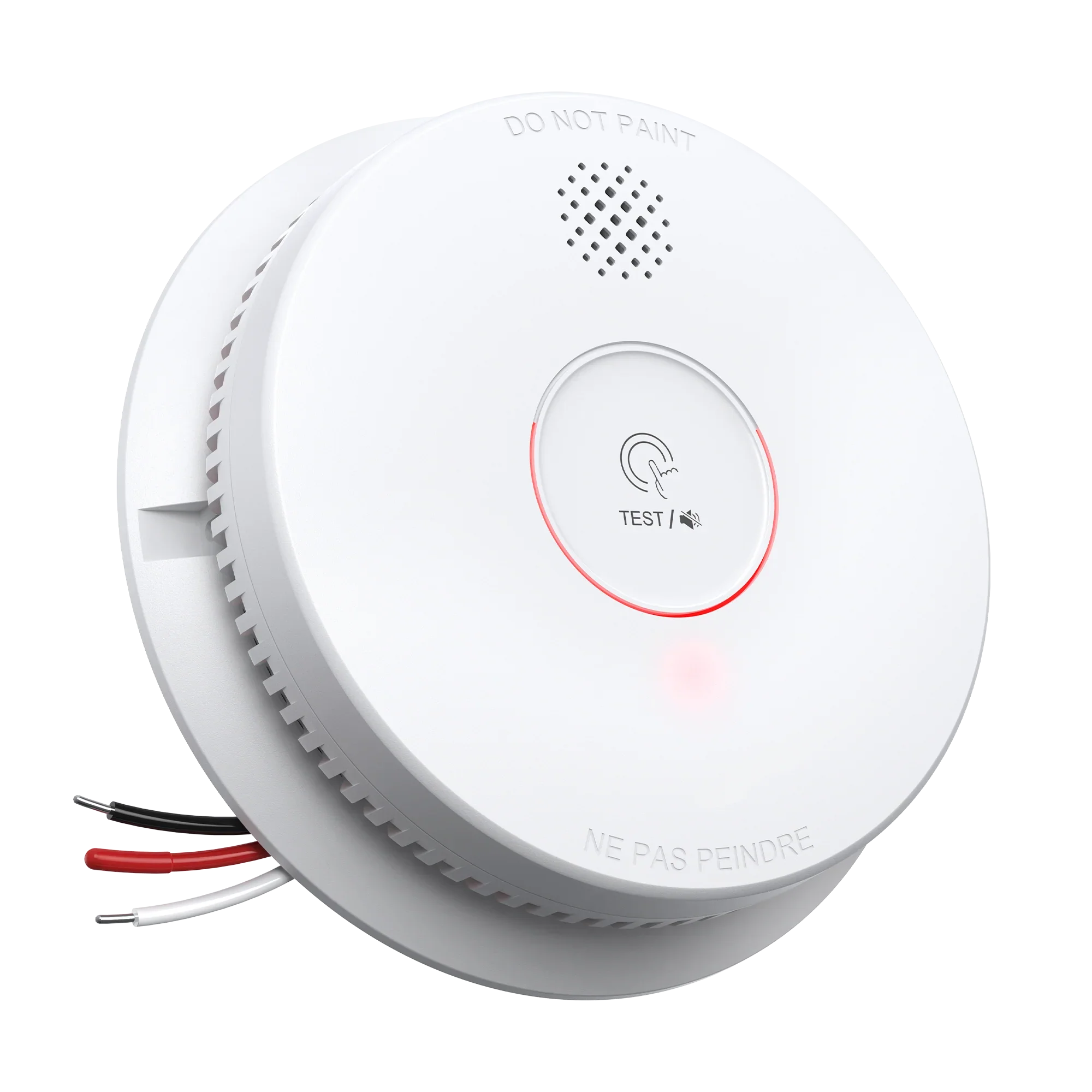
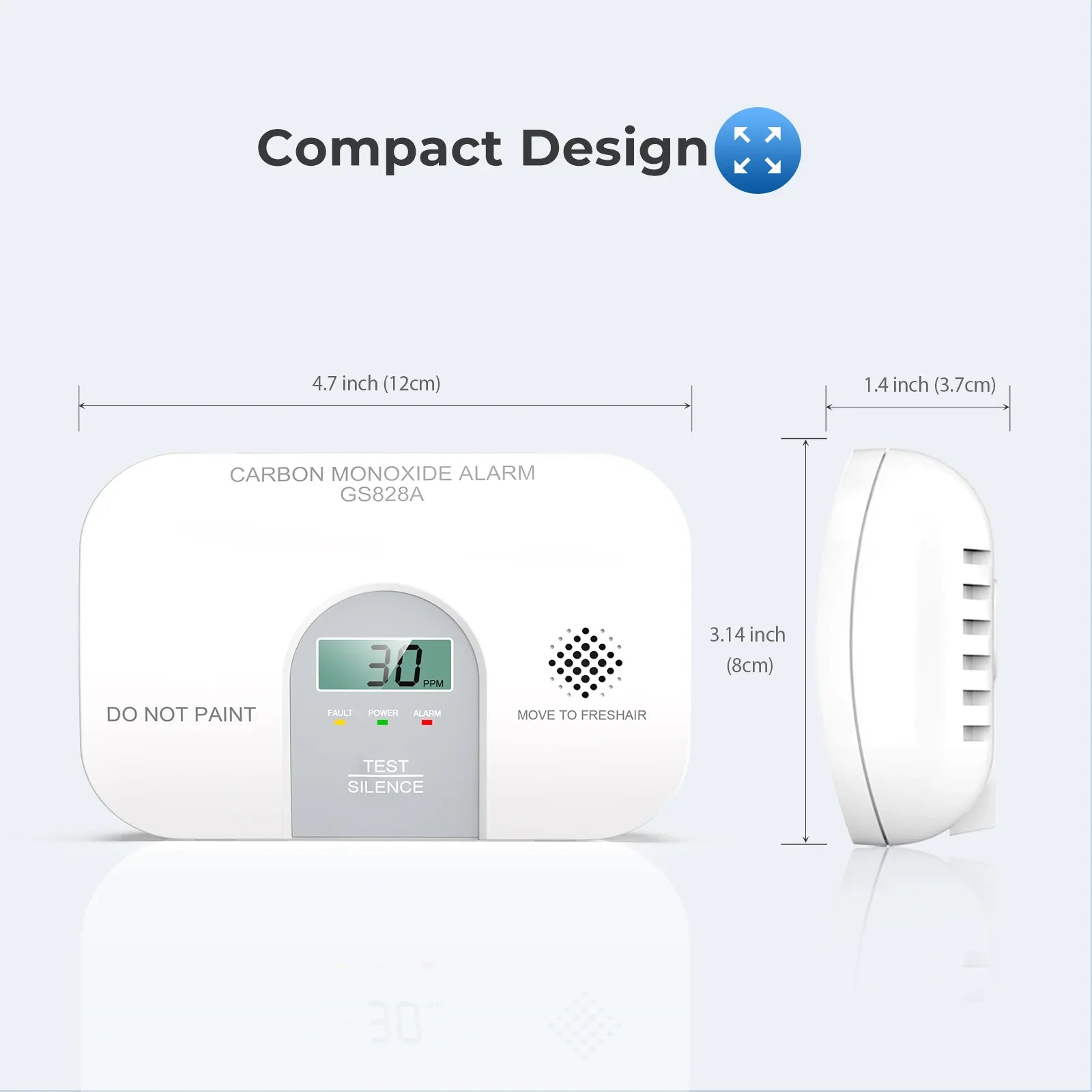
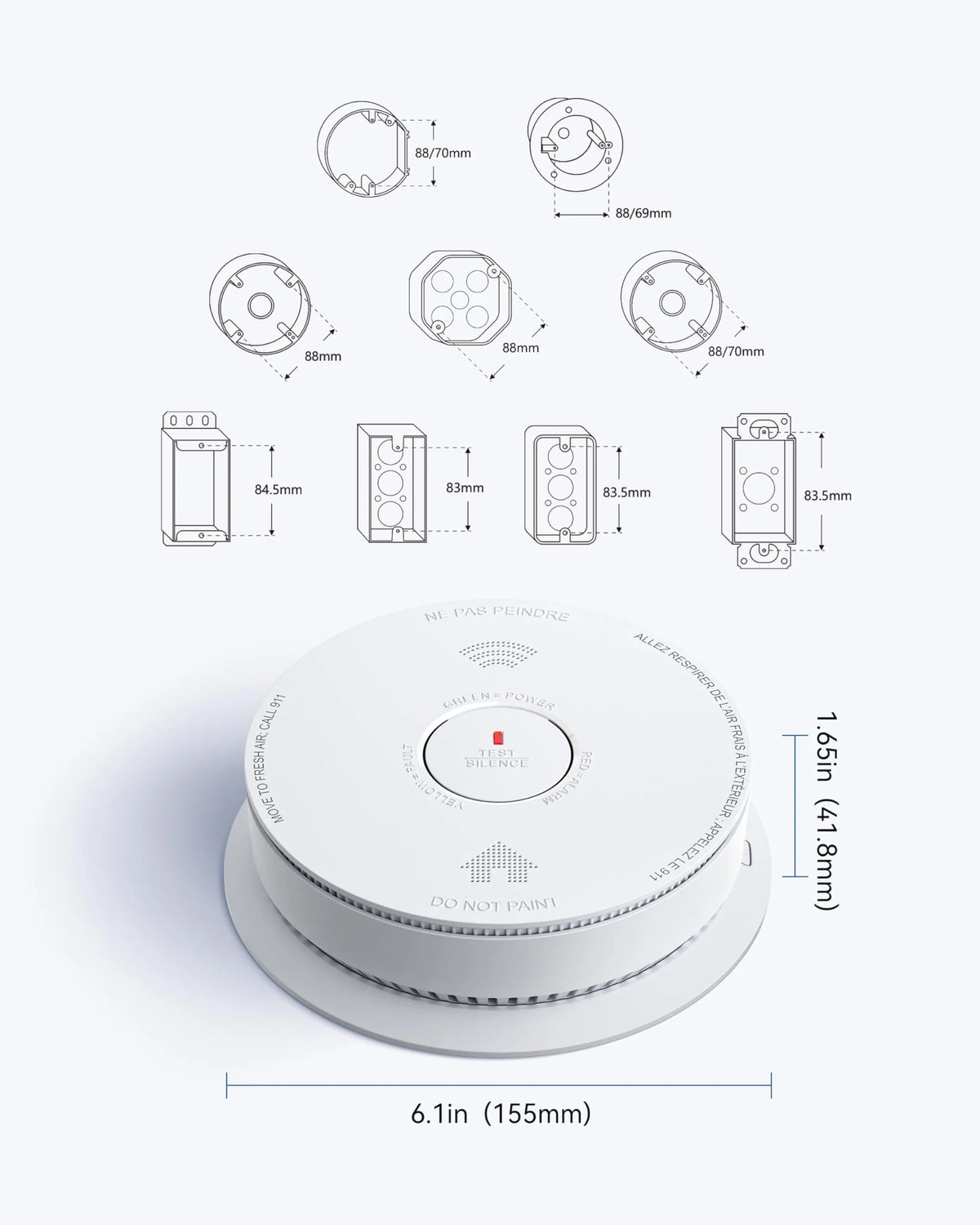
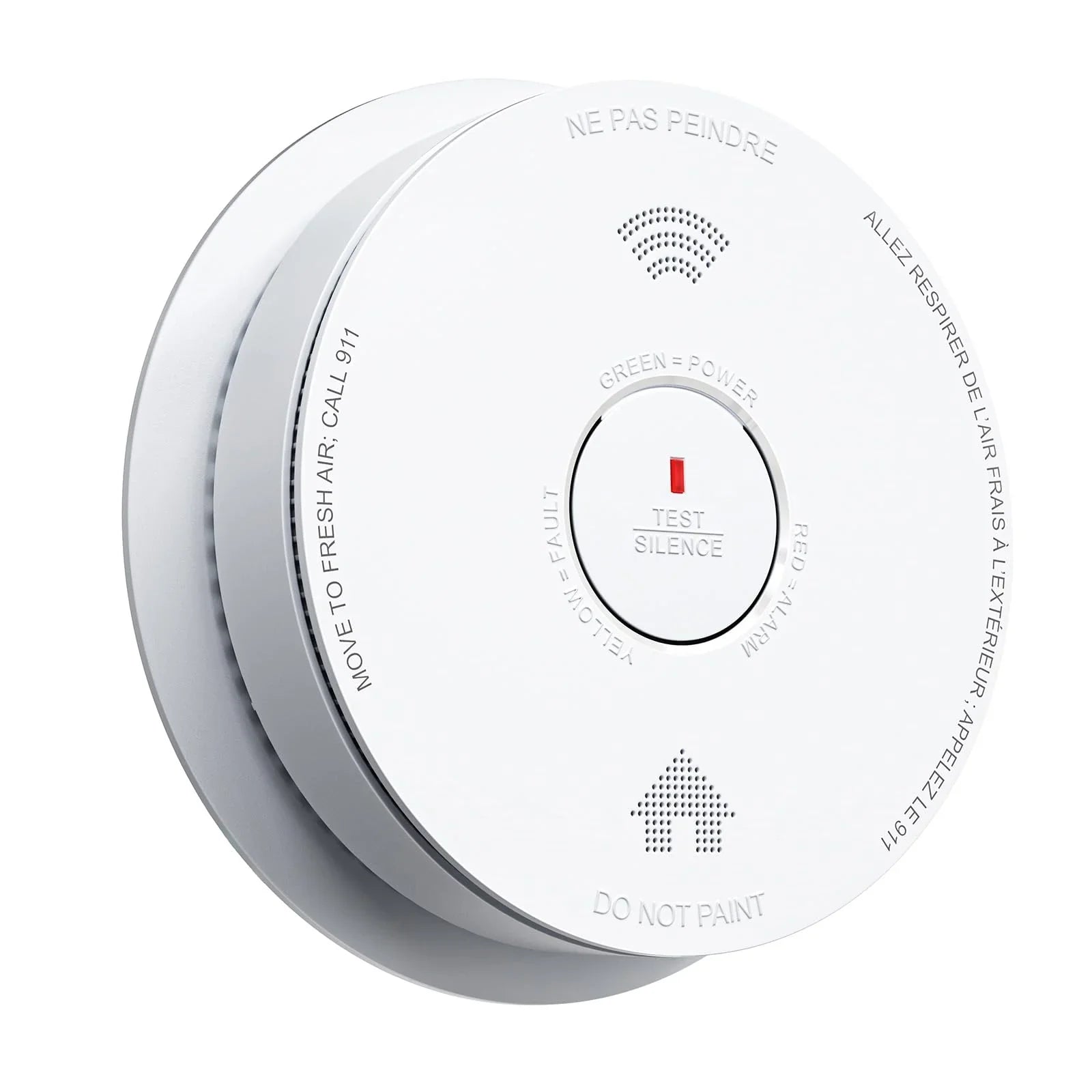
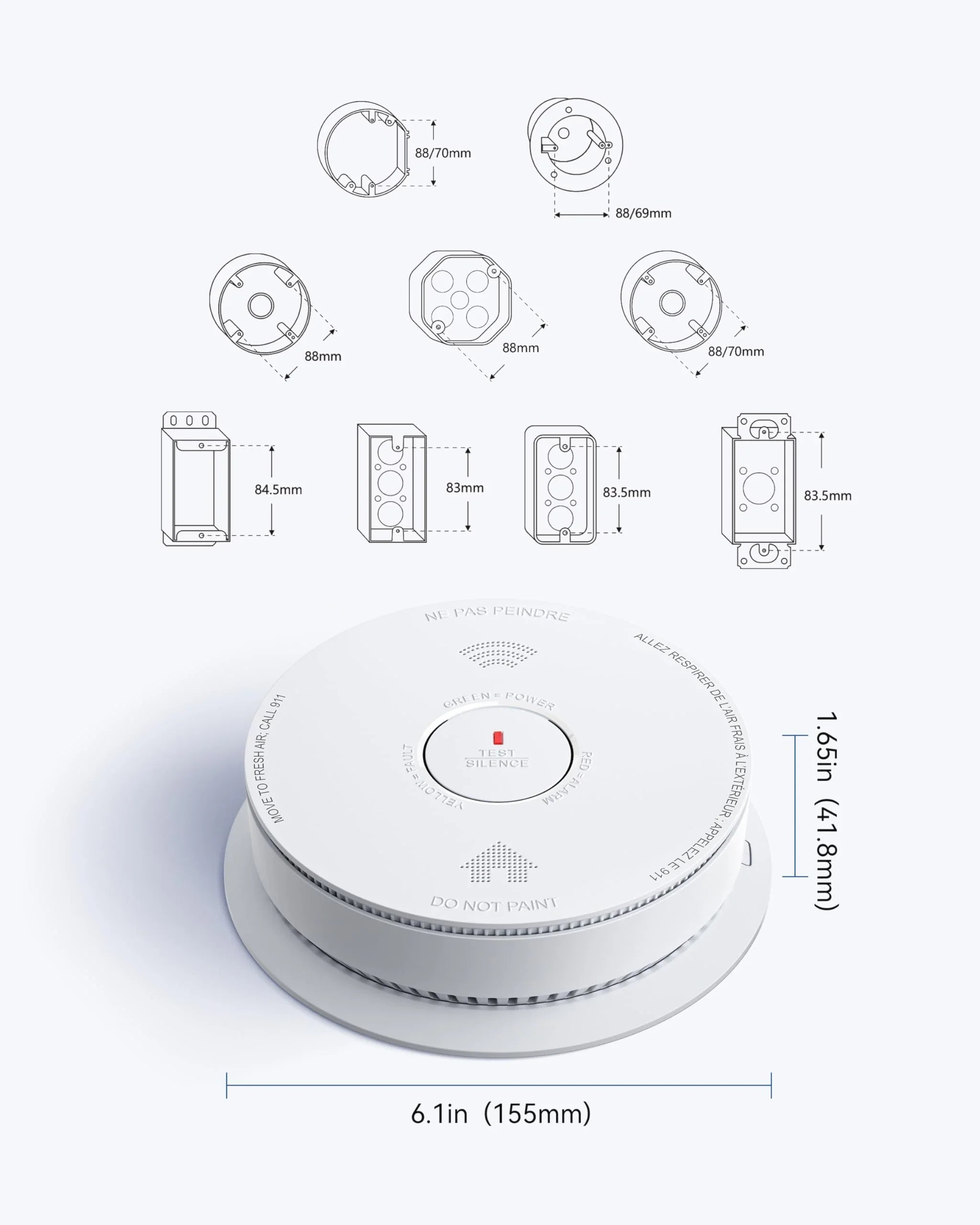
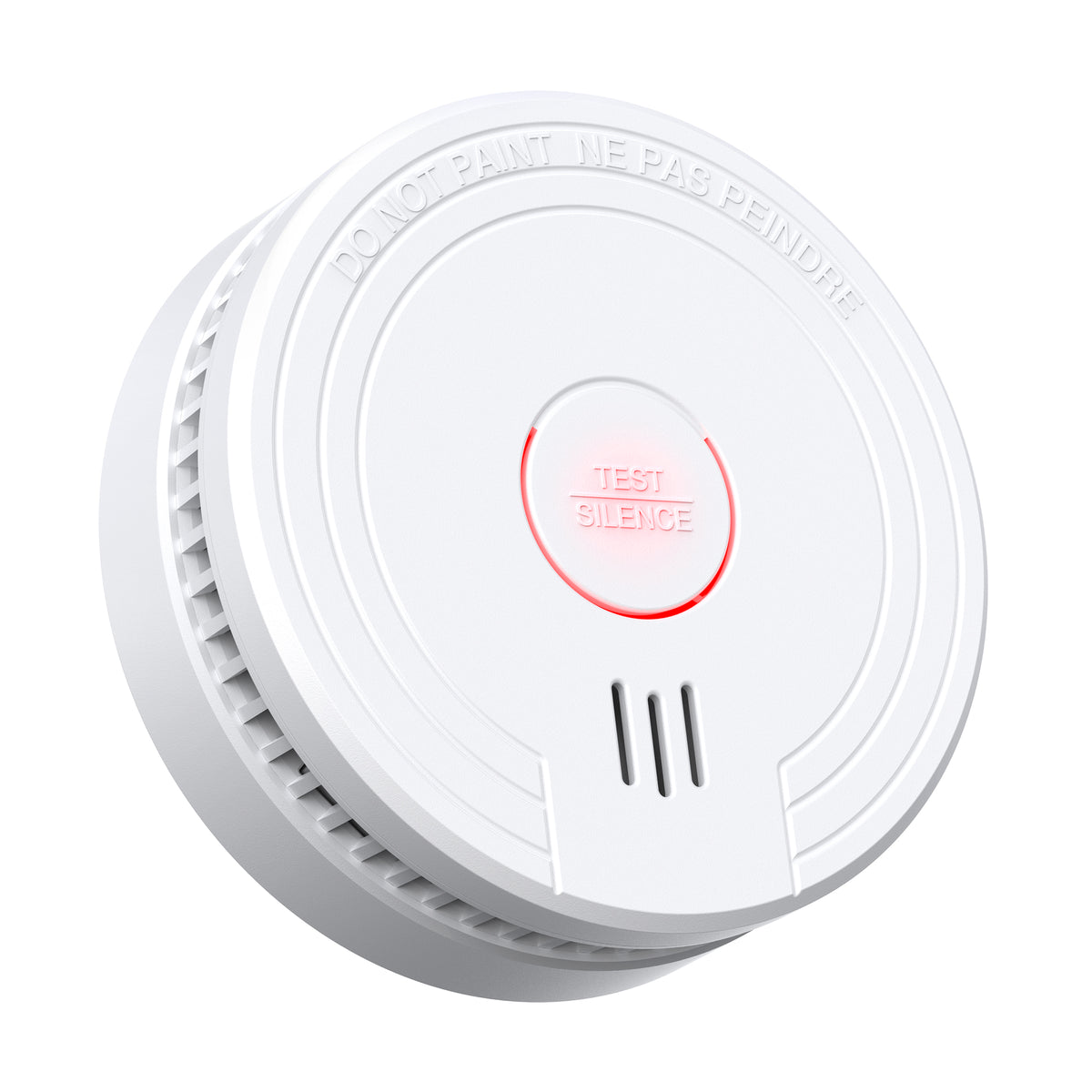
SITERWELL makes photoelectric smoke detectors, 2-in-1 smoke and carbon monoxide combination alarms, plug-in and portable carbon monoxide detectors, hardwired and interconnected systems, the GS366A smart thermostat, and fire-safety accessories. Smoke alarms in the lineup are UL217 listed, and service lives run up to 10 years depending on model. Every product ships with mounting and testing guidance. Browse the smoke detectors or the carbon monoxide detectors to start.
How do I build a complete home safety kit?
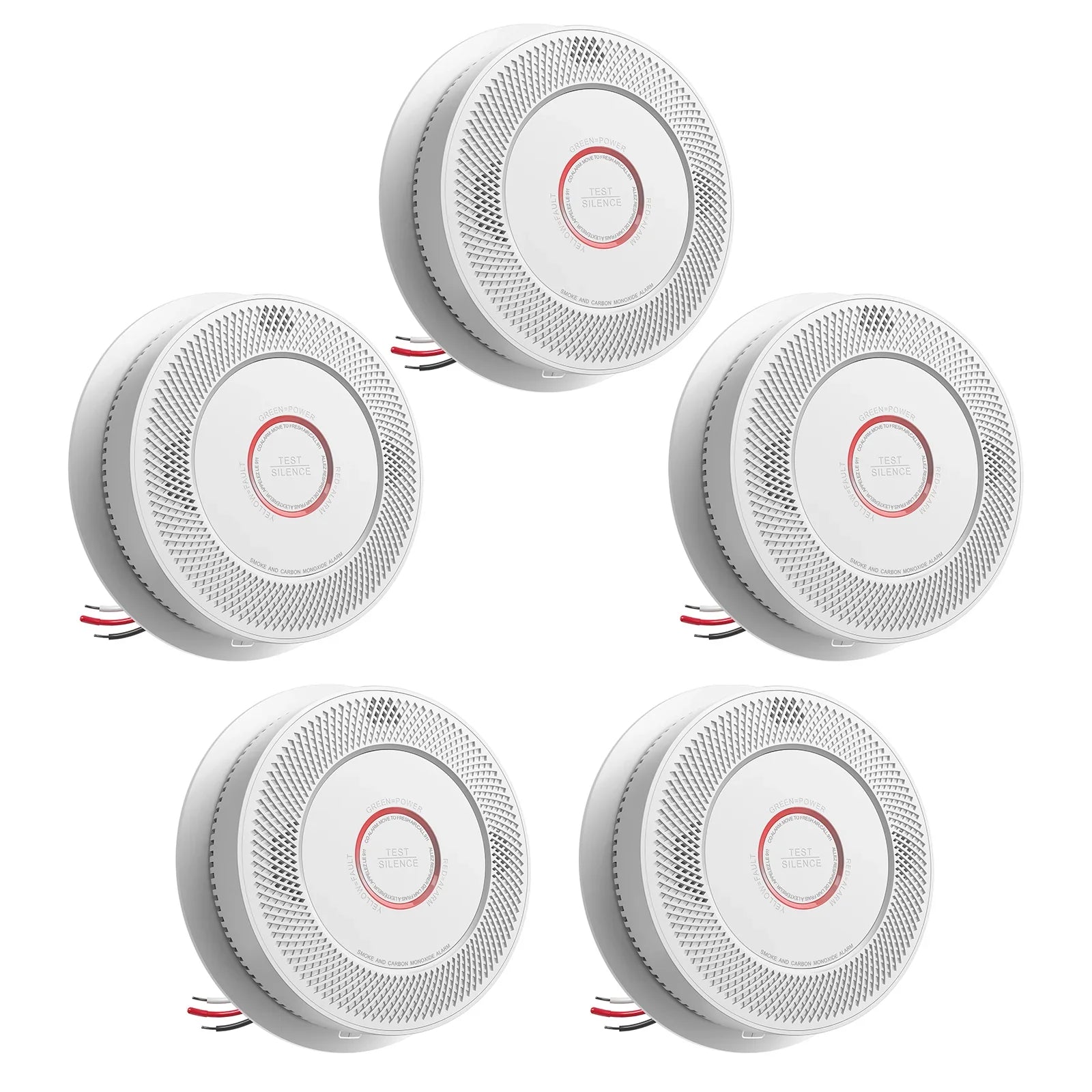
Start with the right number of smoke detectors: one per level plus each sleeping area. Then add a CO alarm on every level and near fuel-burning appliances. If you want smart climate control, add the GS366A smart thermostat. These elements cover fire detection, carbon monoxide and comfort in one connected setup.
Are SITERWELL smoke alarms UL 217 listed?
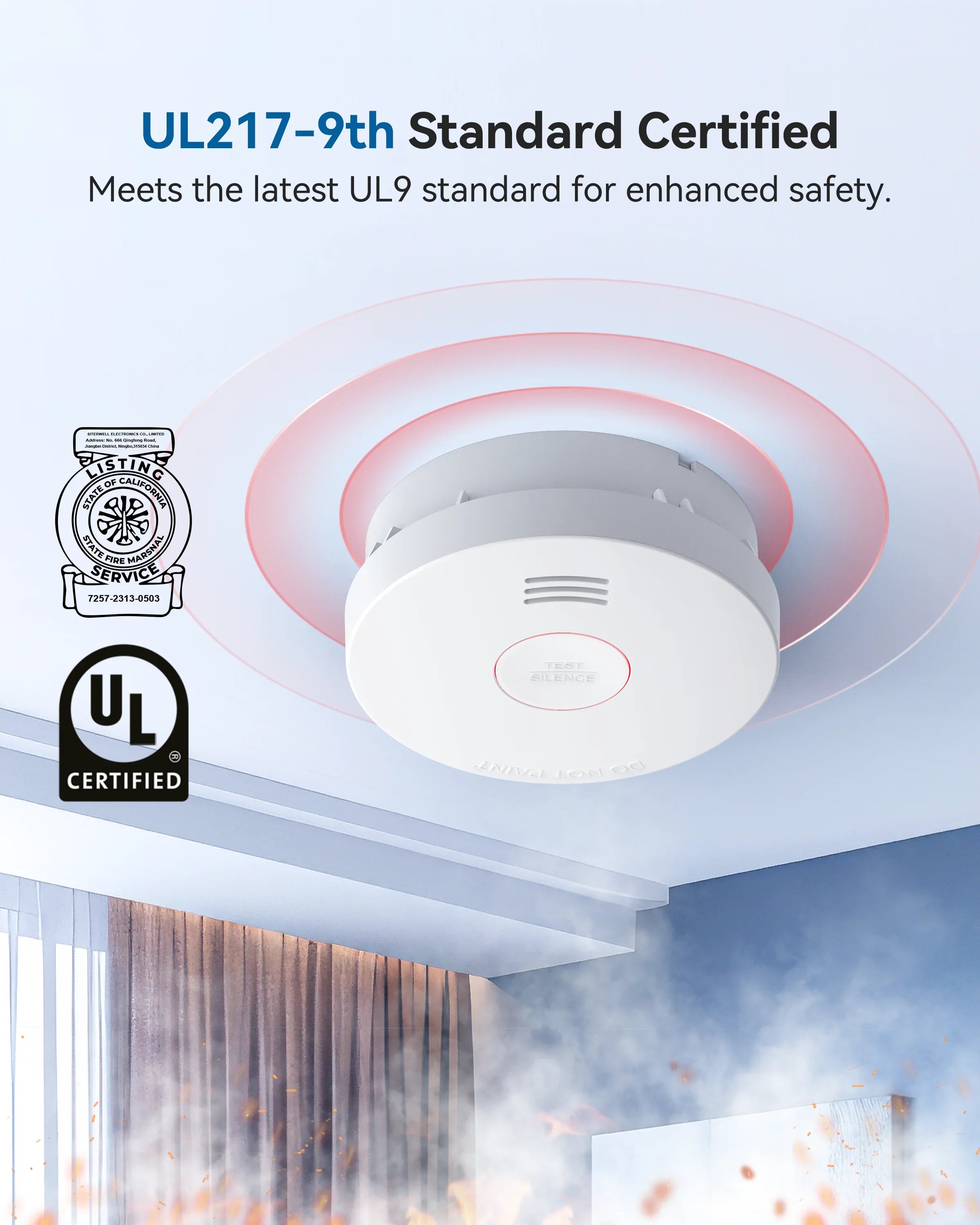
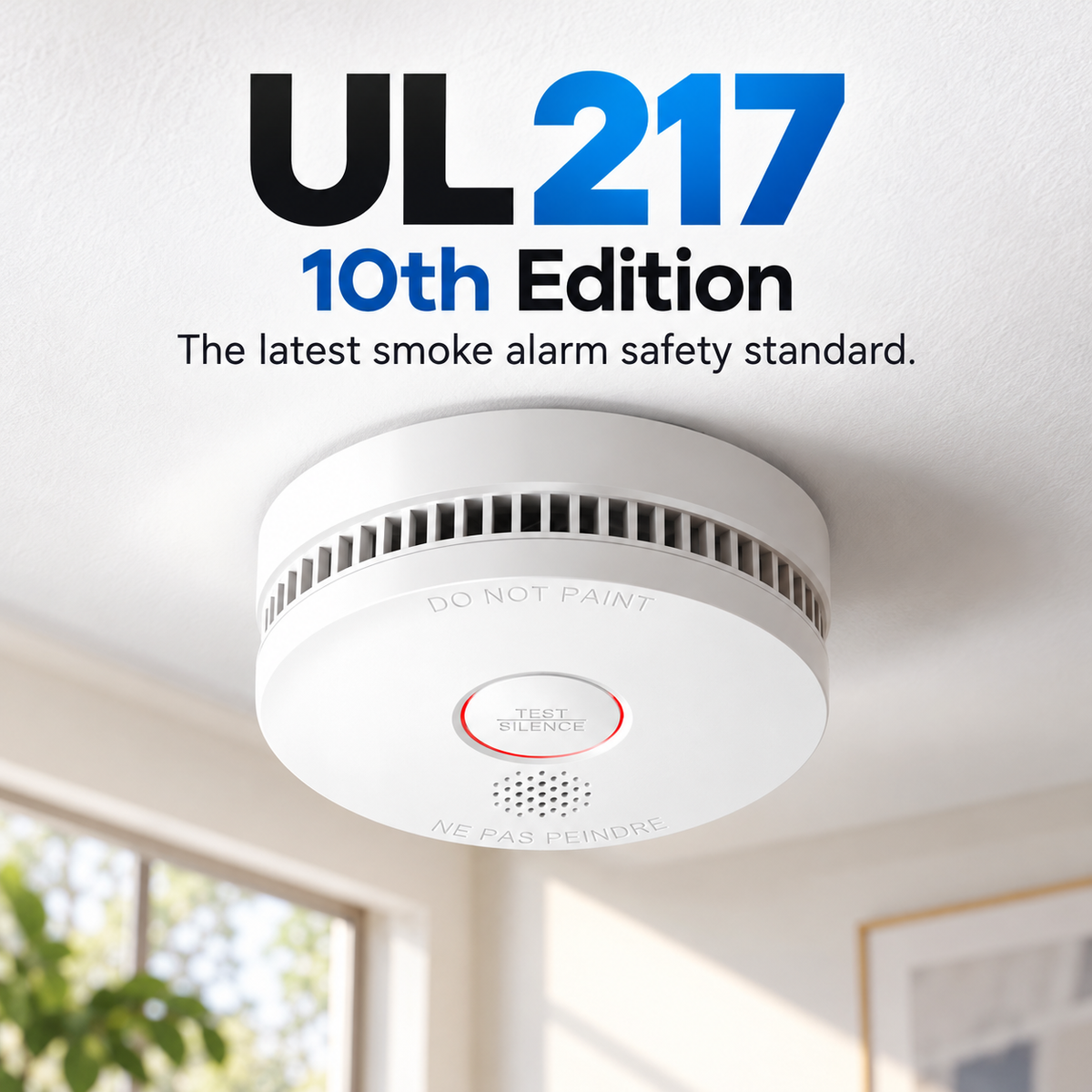
Our smoke alarms are UL217 listed - the standard fire marshals and insurance adjusters reference. UL217 covers sensitivity, reliability and resistance to nuisance alarms, tested independently rather than self-declared. Selected models also carry ETL certification and, for Canada, CAN/ULC S531 and CSA 6.19. Certification details for each model are printed on the unit and listed in the product specifications before purchase.
What is the difference between a smoke detector and a CO detector?
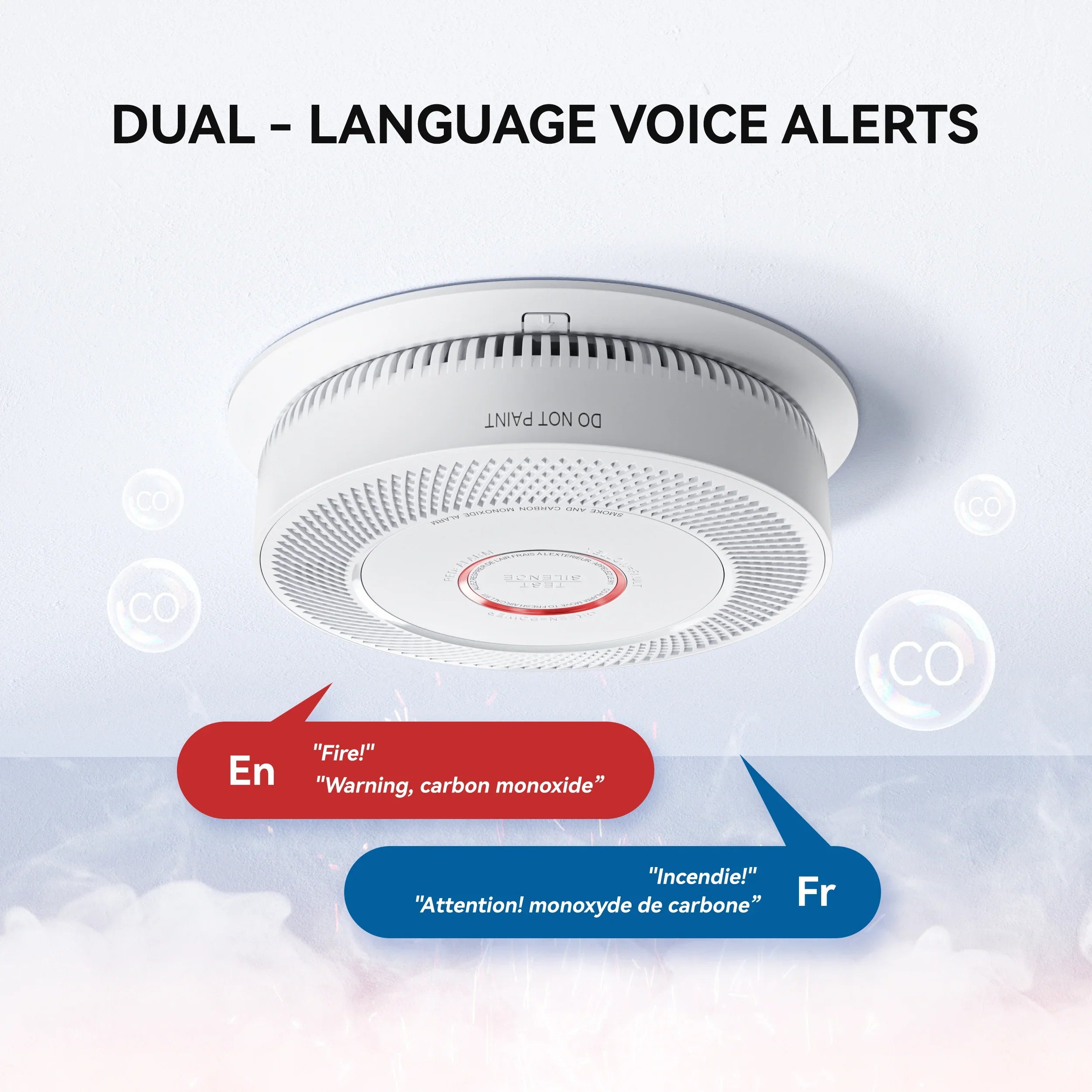
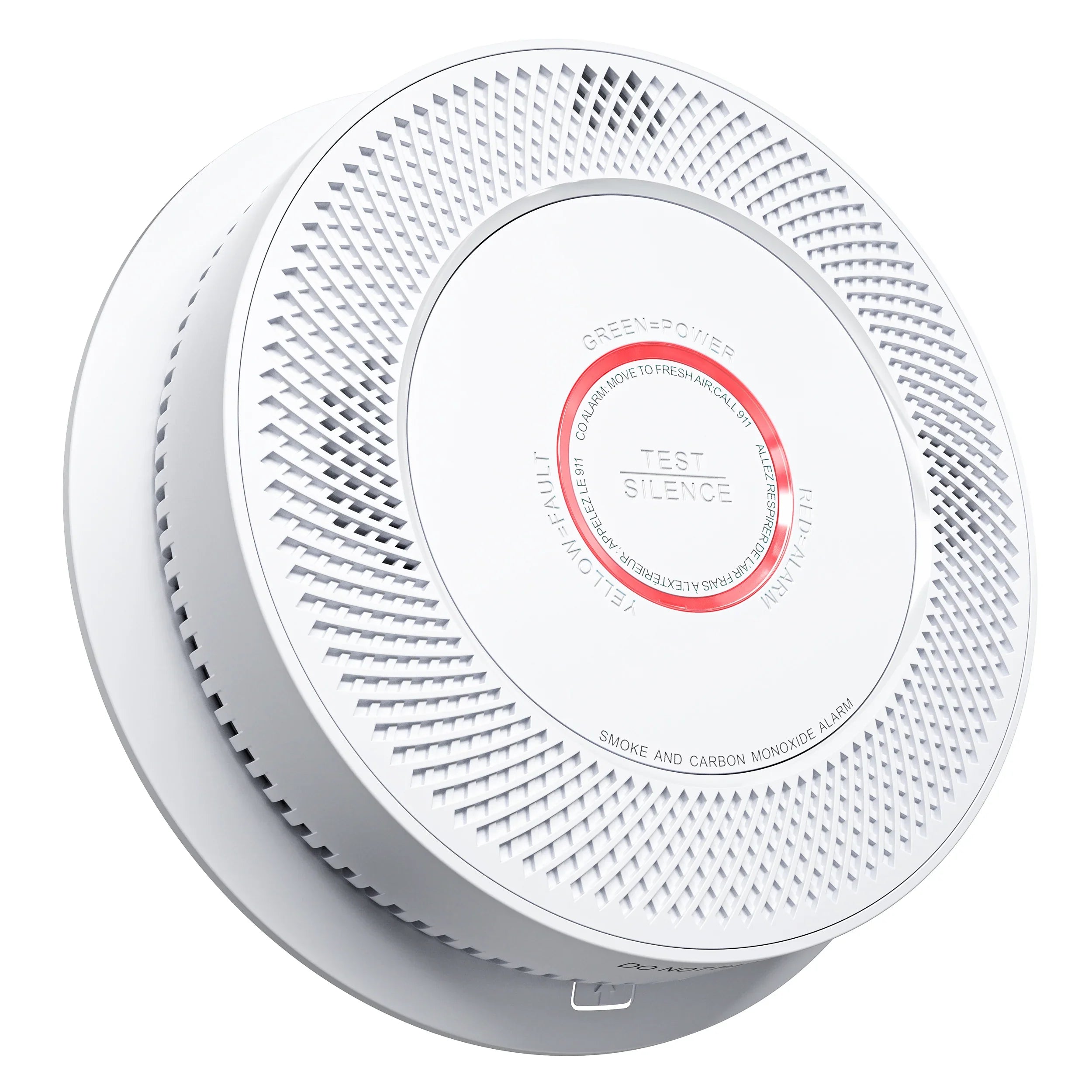
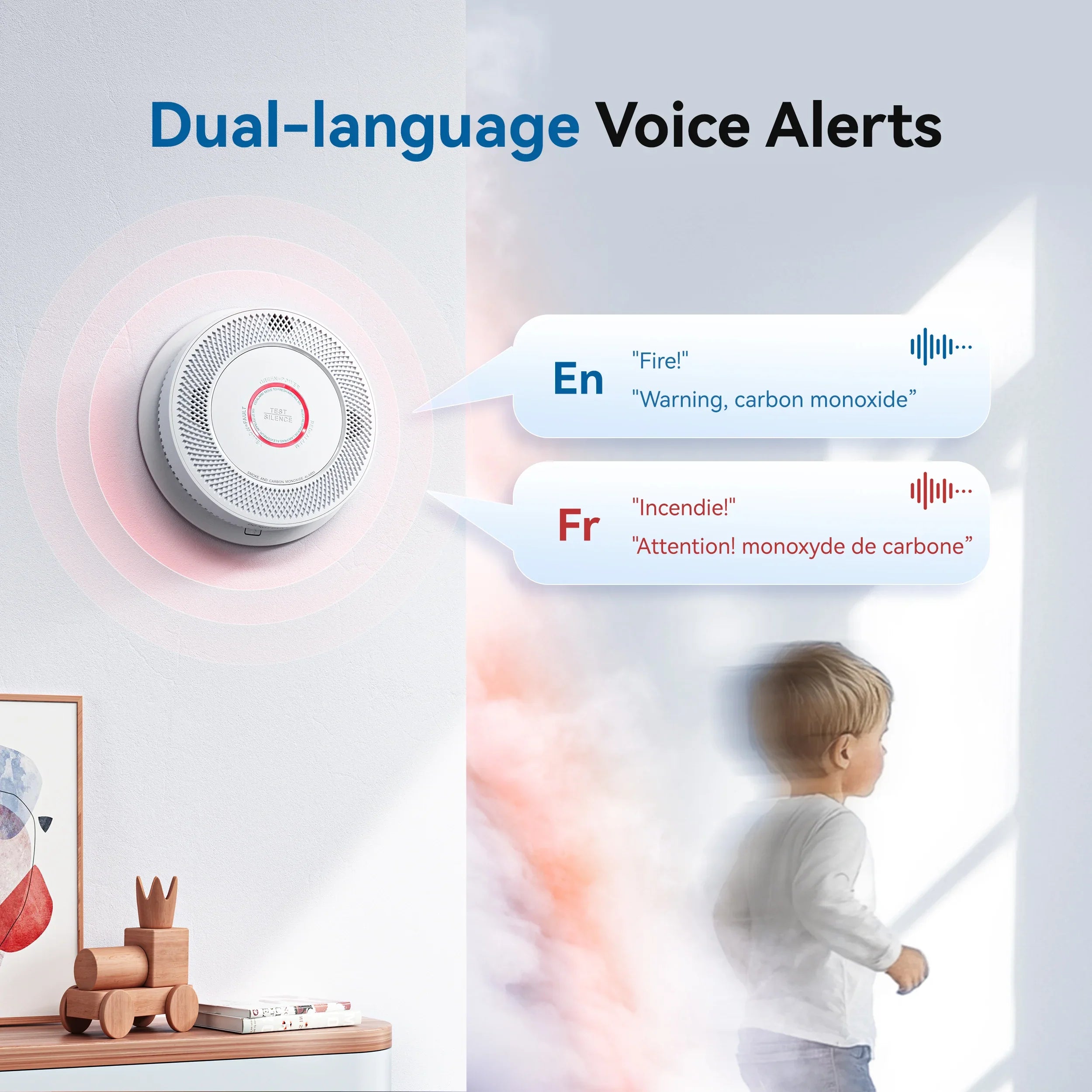
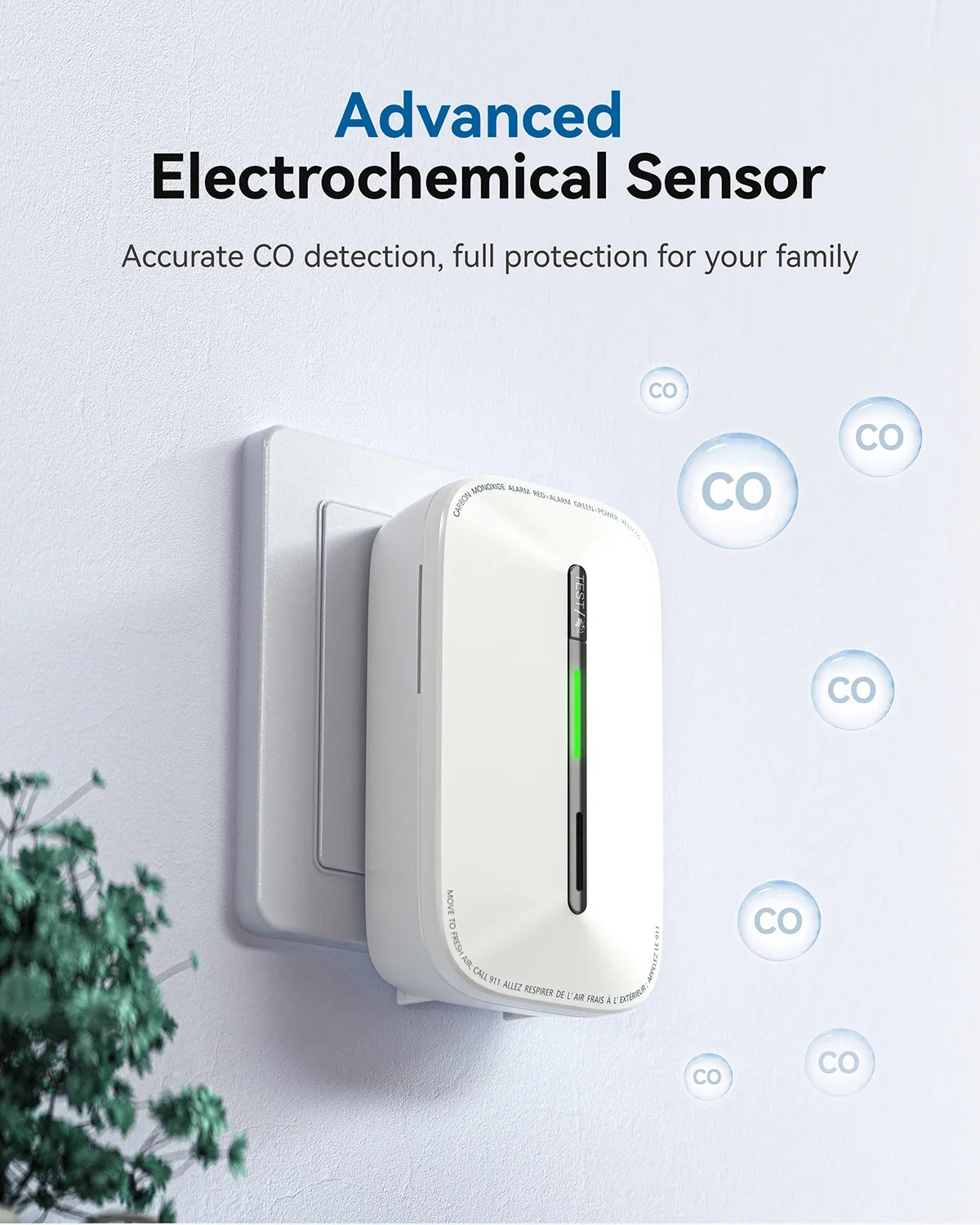
A smoke detector senses fire smoke using photoelectric or ionization technology. A carbon monoxide detector senses the toxic gas CO using an electrochemical sensor. They protect against different risks and are not interchangeable, which is why codes recommend both. A combination 2-in-1 detector pairs both sensor types in one device, simplifying installation.
How many detectors do I need for my home?
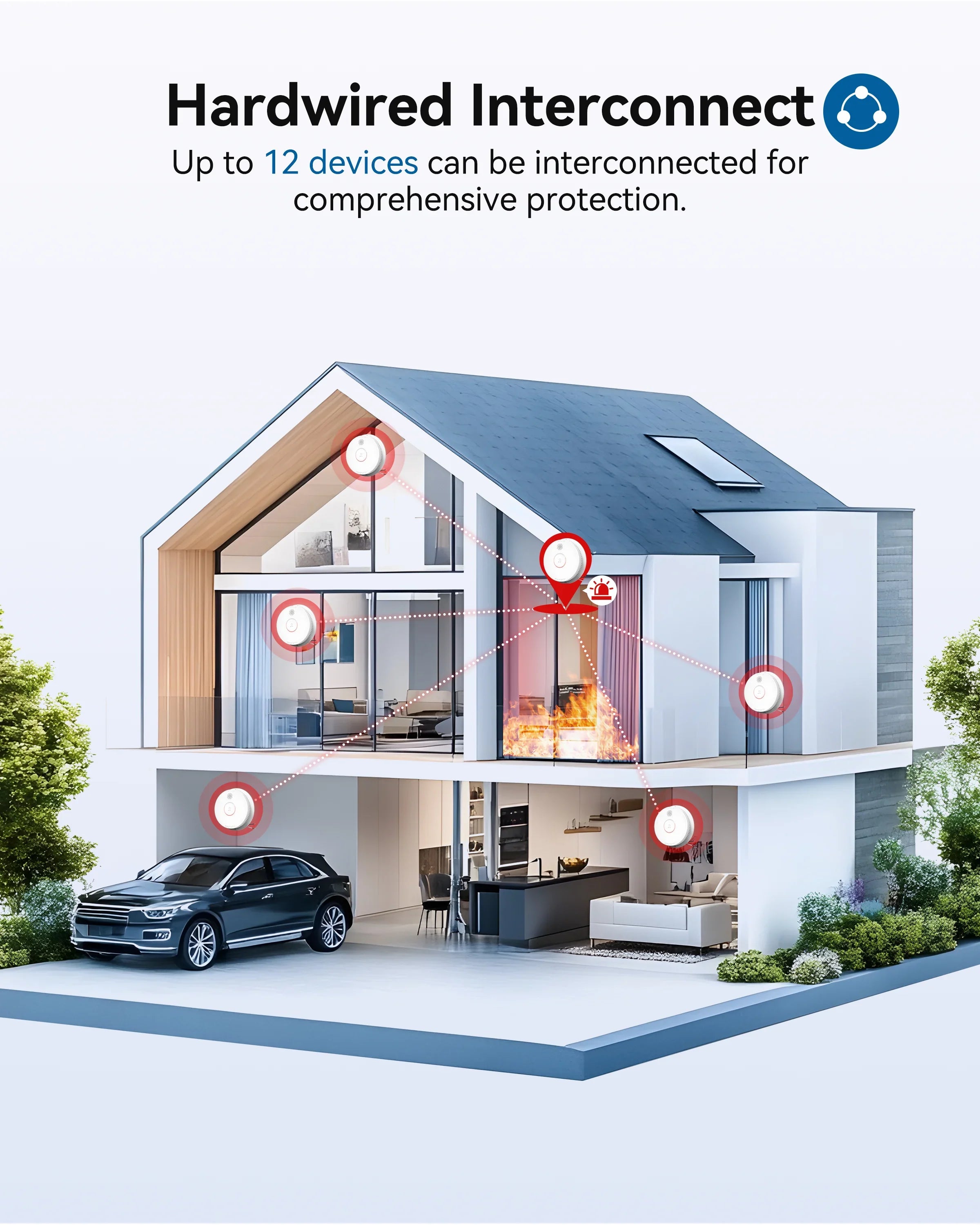
A typical two-story home needs 4-6 smoke detectors (one per level, one outside each sleeping area, one in each bedroom) and 2-4 CO detectors (one per level, one within 15 feet of sleeping areas, one near fuel-burning appliances). Some of these can be combined: a 2-in-1 combo detector covers one smoke zone and one CO zone at once. Interconnected units can be reviewed as one network with a single test button.
Does the SITERWELL smart thermostat work with my HVAC system?
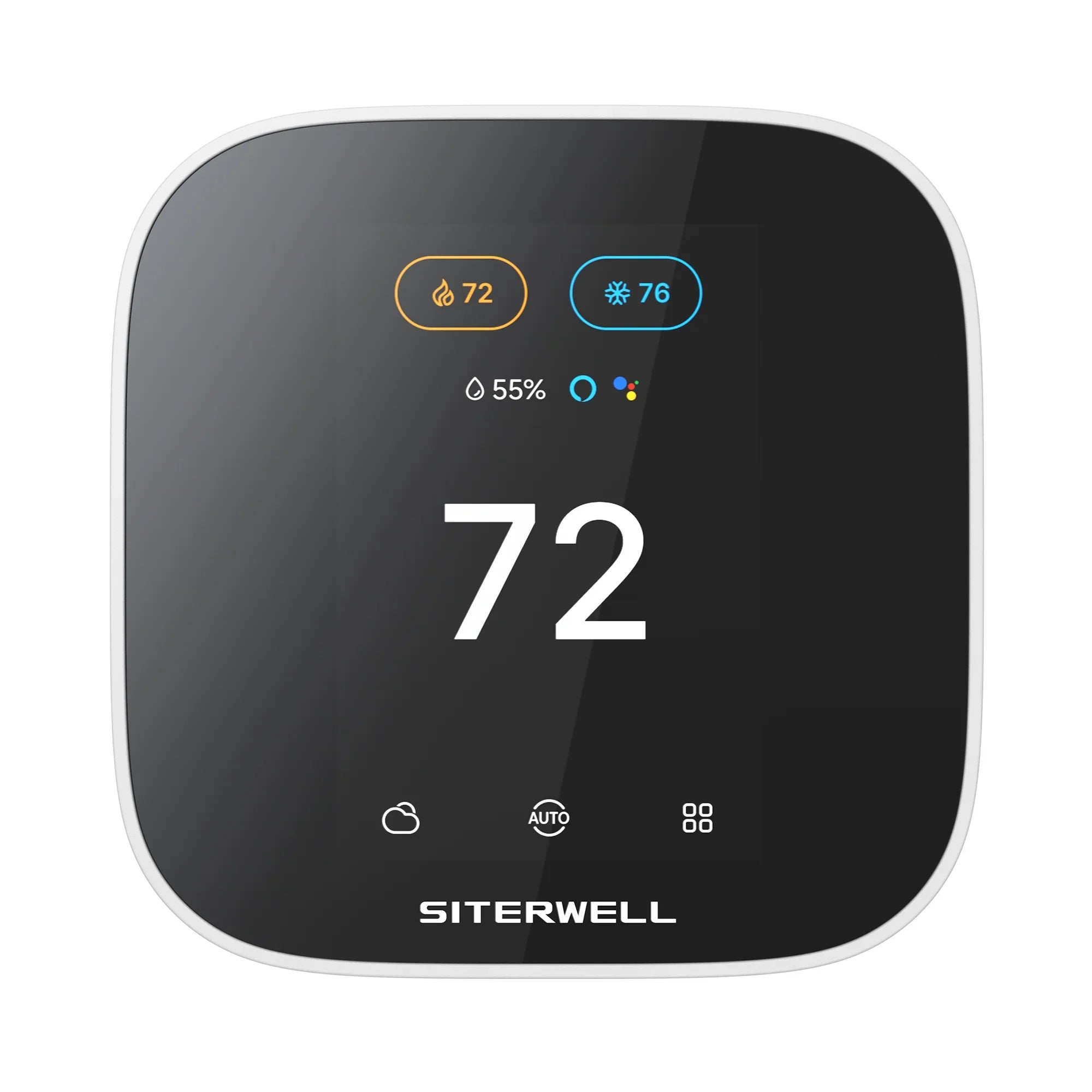
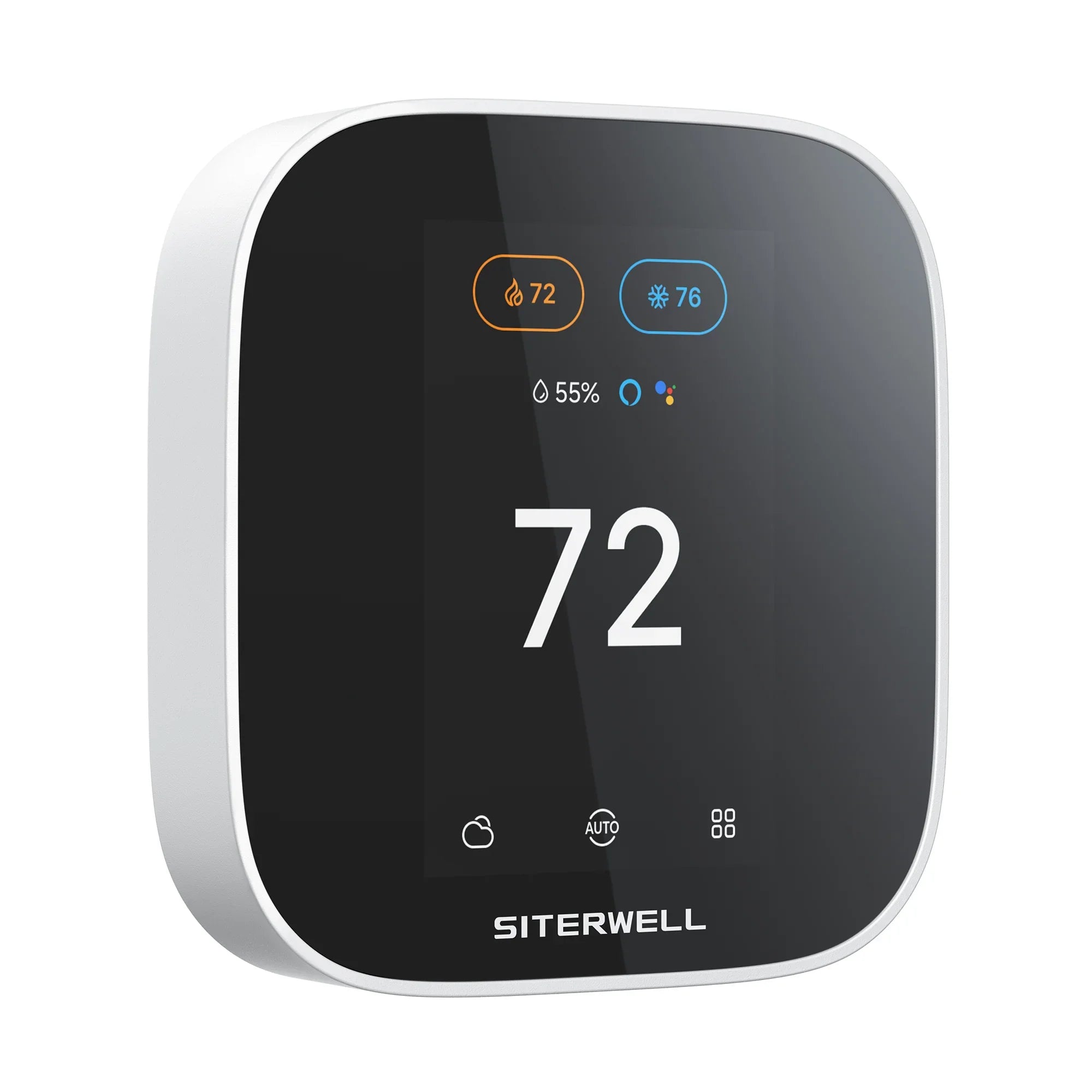
The GS366A-MWAC works with most 24V HVAC systems in North American homes, including gas, oil, electric and dual-fuel. It integrates with the Siterwell Link app, Amazon Alexa and Google Home, and includes a 3.5-inch colour touchscreen with weekly schedules. Check the label inside your current thermostat for 24V compatibility before buying.
How often should I test my smoke and CO alarms?
Test smoke detectors and CO alarms weekly with the built-in test button, and vacuum the vents occasionally to clear dust that causes nuisance alarms. Replace standard batteries twice a year - a good habit is to do it when clocks change - and replace sealed 10-year units at end of life. Regular testing is the single most useful maintenance habit, and on interconnected systems one button checks the whole home.