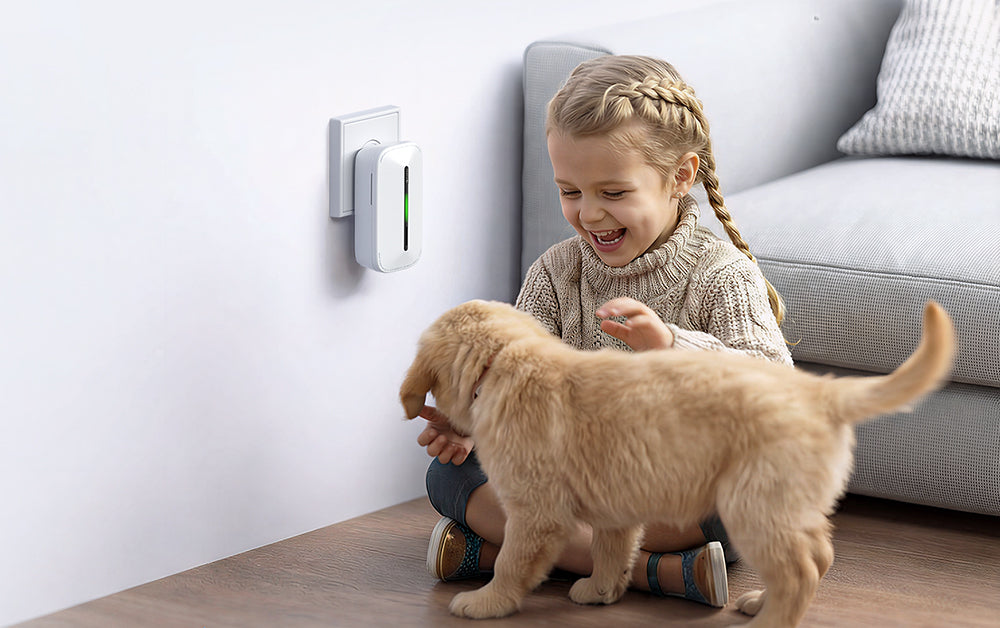
As any devoted pet parent knows, Fido and Whiskers are more than companions — they’re family. But while we baby-proof outlets and block stairs, many of us overlook one invisible risk that threatens both people and pets: carbon monoxide (CO). Called the “silent killer”, CO is colorless, odorless, tasteless, and impossible to detect without a proper alarm. That means neither you nor your pets can tell it’s in the air — but your furryfriends might feel its effects first.
What Pet Owners Don’t Know Can Hurt Them — and Their Pets
According to a survey of U.S. pet owners:
- Over half of pet owners aren’t confident they could recognize signs of CO poisoning in their pets.
- More than one-third don’t have, or don’t know if they have, a working CO alarm in the home.
Pets can’t smell CO — and neither can humans. That’s why alarms matter so much: without a detector, the first indication that something is wrong may be symptoms in your dog or cat.

Why Pets Are at Greater Risk
Unlike humans, our pets:
- tend to have faster respiration and smaller bodies, so they can show symptoms of CO exposure sooner.
- spend more time low to the ground, where CO can accumulate near floors.
- can’t tell us when they feel sick — they may exhibit vague signs that are easy to miss, like lethargy, vomiting, wobbliness, or unusual behavior.
Even if you’re asleep, your pet may wake up feeling off before you do. That’s one reason many veterinarians and poison control experts stress having reliable CO detection.
What Signs to Watch For in Pets
Unlike humans who may complain of headache or dizziness, pets can only show physical distress. Symptoms of CO poisoning in cats and dogs may include:
- weakness or lethargy
- difficulty breathing
- vomiting or disorientation
- unusual behavior such as hiding or agitation
Prompt veterinary attention is crucial if you suspect CO exposure in a pet.

What Should You Do If You Think Your Pet Has Been Exposed to Carbon Monoxide?
First, get your pet to fresh air right away. Remove them from the house, garage, or any enclosed space where CO may be present. Fresh air helps begin clearing carbon monoxide from the body.
Do not re-enter the home if you believe CO levels are still high.
Next, seek veterinary care as soon as possible. If your pets shows symptoms such as weakness, vomiting, disorientation, or trouble breathing, take them to a veterinarian or an emergency animal clinic immediately. Carbon monoxide can continue to cause damage even after exposure has stopped, and early treatment matters.
If you suspect carbon monoxide is present in your home, contact emergency services or the local fire department before going back inside.
Carbon monoxide poisoning is a medical emergency — for pets and people alike. A working CO alarm can provide a critical early warning, often before symptoms appear.

How to Reduce CO Risk in Pet Homes
The good news? Many carbon monoxide emergencies are preventable.
Safety organizations recommend installing carbon monoxide alarms on every level of the home and near sleeping areas. For pet households, early alerts are especially important — alarms can sound before pets or people show noticeable symptoms.
For added protection, many pet owners choose Siterwell portable plug-in CO alarms. These alarms are easy to install, provide continuous monitoring, and can be placed in the areas where pets spend the most time — such as living rooms, hallways, or near bedrooms — without complicated setup.
Make It Part of Your Pet Safety Plan
National Love Your Pet Day 2026 is a reminder of the unconditional love pets give us every day. Protecting them means planning for the risks they can’t see, smell, or explain.
A reliable carbon monoxide alarm is a simple but powerful safeguard — helping ensure that the home your pets love is also a safer place to live.