Winter changes how — and where — Americans live.
For some, it’s ski weekends in Colorado. For others, it’s a month at a mountain cabin, an RV trip to warmer states, or a holiday stay in a short-term rental. Furnaces run longer. Fireplaces, gas heaters, and generators get more use. And with that comes a higher risk of carbon monoxide (CO) exposure — especially outside the home you know best.
That raises a practical question many families don’t think about until it’s too late:
Is the carbon monoxide alarm you rely on at home actually protecting you when you travel?

The Two Real Categories That Matter: Fixed vs Portable CO Alarms
Despite the variety of designs on the market, most CO alarms fall into two functional categories — and understanding the difference is key.
1. Fixed CO Alarms: Built for One Address
Best for: Primary residences, long-term homes
Fixed CO alarms are designed to stay put. They’re typically hard-wired or permanently installed in specific locations — outside sleeping areas, on each level of the home, and near fuel-burning appliances.
Strengths
- Continuous protection in a known layout
- Often interconnected with other alarms
- Ideal for year-round home safety
Limitations
- Can’t travel with you
- Provide zero protection in hotels, cabins, or rentals
- Useless if the building you’re staying in lacks working alarms
Fixed alarms are essential — but they protect places, not people.
2. Portable CO Alarms: Protection That Moves With You
Best for: Winter travel, vacation homes, rentals, RVs, and hotels
Portable CO alarms are designed around a different assumption — that you won’t always sleep in the same building.
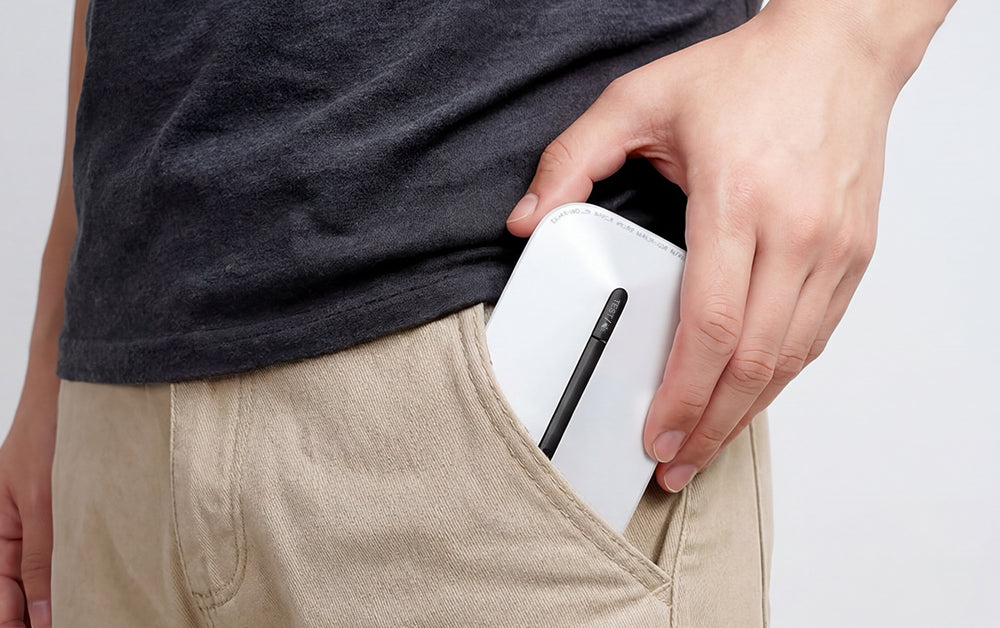
These devices are compact, lightweight, and easy to carry. You bring them with you, plug them in where you’re staying, and take them when you leave. That makes them especially relevant during winter, when travel and temporary heating setups increase CO risk.
This matters more than many travelers realize. In the U.S., CO alarm requirements vary widely by state, and hotels or short-term rentals may not be required to install them at all.
Strengths
- Travel-friendly and compact
- Ideal for hotels, Airbnbs, cabins, RVs, and seasonal homes
- No installation — just plug in and use
Limitations
- Designed for room-level protection
- Should complement, not replace, fixed alarms at home
For travelers, a portable alarm fills a safety gap that fixed alarms simply can’t.

Where Plug-In Portable CO Alarms Fit In
Some portable CO alarms are battery-only. Others — like plug-in portable models — combine portability with consistent power.
This is where devices like the Siterwell Plug-In Portable CO Alarm come in.
Although it plugs into a standard 120V outlet, its defining feature is portability, not permanence:
- Small and lightweight (about the size of a smartphone)
- Fold-out plug for easy packing
- Can stand upright on a table or desk
- Designed to move with you from place to place
You’re not installing it — you’re bringing it.
Why Portable CO Alarms Matter More in Winter
Winter environments create a perfect storm for CO exposure:
- Fuel-burning heaters and fireplaces run longer
- Portable heaters are used in enclosed spaces
- Generators may be used during storms and outages
- Poor ventilation traps CO indoors
According to U.S. health data, carbon monoxide poisoning sends over 100,000 people to emergency departments each year, with winter months showing a higher risk due to heating equipment use.

A Practical Example: One Device, Multiple Winter Scenarios
A plug-in portable CO alarm can realistically cover:
- A hotel room during a ski trip
- A vacation rental with a gas fireplace
- An RV parked overnight in cold weather
- A winter cabin with a propane heater
- A guest room during holiday visits
The Siterwell CO alarm, for instance, uses an electrochemical CO sensor for accurate detection, meets UL 2034 requirements, and carries ETL certification — meaning it’s tested to U.S. safety standards. A built-in backup battery ensures protection even during power outages, and an 85 dB alarm is loud enough to alert sleeping occupants.
It’s not meant to replace fixed alarms at home — it’s meant to protect you when home isn’t where you’re sleeping tonight.
Which Should You Choose?
The safest answer isn’t “one or the other” — it’s both, for different reasons:
- At home: Fixed CO alarms on every level and near bedrooms
- When traveling or using seasonal spaces: A portable CO alarm you can take with you
Fixed alarms protect buildings.
Portable alarms protect people.
In winter, when travel is common and CO risks rise, that distinction matters.

Final Takeaway
Carbon monoxide doesn’t care whether you’re at home, in a hotel, or halfway up a mountain. It’s invisible, odorless, and unforgiving — but it’s also highly detectable with the right tools.
As winter travel season continues, a small, plug-in portable CO alarm can be one of the simplest safety upgrades you make. It packs easily, works anywhere there’s an outlet, and gives you peace of mind in places you don’t control.
And sometimes, that’s exactly where protection matters most.