
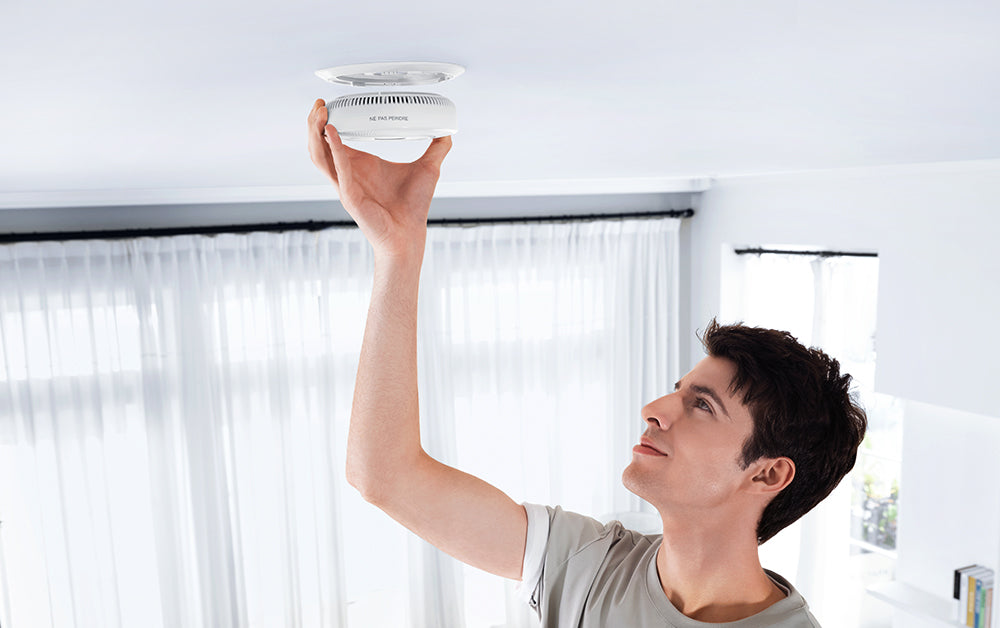
As we dive into the #NewYearReset trend—clearing out closets, organizing pantries, and setting fitness goals—there is one critical "reset" that often gets overlooked. It’s not as aesthetic as a color-coded fridge, but it’s the most important thing you’ll do for your family this year.
We’re talking about your smoke, carbon monoxide (CO), and combo alarms.
In the U.S., most of us treat these devices like wallpaper—they’re just there. But like that carton of milk in the back of your fridge, these life-saving sensors have an expiration date.
Here is your essential 2026 guide to auditing your home’s first line of defense.
1. The "10-Year Rule": It’s Not Just a Suggestion
Did you know that most smoke alarms are designed to have a 10-year lifespan? Carbon monoxide alarms typically last 5–10 years, depending on the sensor technology and power source.
Over time, the sensors inside—whether ionization (for fast-flaming fires) or photoelectric (for smoldering fires)—become clogged with dust and lose their sensitivity.
Take the alarm down and look at the manufacturing date on the back. If it’s 10 years old or more, it’s time to replace it—don’t wait.

2. The Battery Myth: "But It’s Hardwired!"
Many American homes built in the last 20 years have hardwired alarms. A common mistake is thinking these don't need battery maintenance.
Hardwired units use battery backups for power outages. If you hear that dreaded "chirp" at 3 AM, it’s a sign the backup is failing.
If your alarm uses replaceable batteries, swap them out twice a year. A handy way to remember is when you change your clocks for Daylight Saving Time.
If you hate the chirping, switch to 10-Year Sealed Battery Alarms. You’ll never have to touch a battery for the entire decade of the device's life.

3. The "Press to Test" Ritual (Monthly)
Once a year isn’t enough. Sensors can fail or get dusty at any time. Pick a date each month—say the 1st—to press and hold the Test button until the alarm sounds.
While you’re at it, give the vents a quick clean with a soft brush or vacuum attachment to keep dust and cobwebs away.

4. Placement: Are You Protected Where It Matters?
According to safety standards and manufacturer guidelines, your home security layout should follow these rules:
Every Level: Including basements.
Every Bedroom: Install in all sleeping rooms and guest rooms.
Outside Sleeping Areas: Within 21 feet (6.4 m) of any door to a sleeping room so the alarm can wake you through a closed door.
Wall or Ceiling: Ceiling mounting is preferred. If using a wall, place the alarm 4 to 12 inches below the ceiling.

5. The CO Danger: The Invisible Threat
Carbon Monoxide is colorless and odorless. While smoke is visible, CO is a "silent killer" often caused by faulty furnaces, water heaters, or blocked chimneys during the cold winter months.
Unlike smoke, CO spreads evenly in the air. Install the alarm at eye level in bedrooms or hallways near sleeping areas. Keep it 5–15 feet away from heating or cooking appliances, and avoid dead-air spots like vaulted ceilings.

Your New Year Safety Checklist:
1. Audit: Check the manufacture dates on all units.
2. Replace: Swap out any unit 10+ years old.
3. Test: Press the button on every alarm in the house today.
4. Vacuum: Use a soft brush attachment to clean dust away from the sensors.
Make safety part of your "New Year, New Me" vibe
Don't wait for the chirp to remind you that your family's safety is at risk. Take 15 minutes this weekend to audit your alarms. It’s the ultimate "reset" for a worry-free 2026.


