Every December, American homes transform. Cardboard boxes come down from the attic, wreaths appear on doors, and living rooms glow with string lights and the scent of pine. Behind this cozy scene, however, lies a seasonal truth: the holidays are one of the riskiest times of the year for home fires.
Small sparks—from a drying Christmas tree, a frayed cord, or a candle left burning—can escalate quickly, especially with busy schedules, guests, and holiday activities. Understanding these risks and taking simple precautions can help families enjoy the season safely.
1. The Charm—and Danger—of Christmas Lights
There’s a reason string lights feel magical: they turn ordinary rooms into warm, glowing spaces. But because they’re often old, tangled, and used year after year, they’re also one of the most common ignition sources during December.
A few red flags worth checking:
- Frayed wires or cracked insulation: Many families reuse light sets well beyond their intended lifespan. If you spot exposed copper or sections that look brittle, it’s time to retire them.
- Old incandescent strings: These bulbs run hotter than modern LEDs and can overheat when left on for long periods or draped over fabric.
- Indoor vs. outdoor mismatch: Outdoor light strings are weather-resistant; indoor ones are not. Using the wrong type—especially on porches, gutters, or trees—raises both fire and shock risks.
Tip: Replace anything questionable, switch to LED where you can, and turn off all lights before bed or leaving the house. It’s simple, but it reduces risk dramatically.

2. Extension Cords and Power Strips: The Silent Culprits
The holidays come with more plug-ins than any other season: lighted garlands, inflatable decorations, hot plates, coffee warmers, electric fireplaces, and more. That often leads to a single wall outlet doing the job of four.
This is where trouble begins.
Most home outlets aren’t designed to carry heavy loads for hours at a time. Add in the fact that many power strips are cheap, aging, or not UL-listed, and you have a recipe for overheating.
Signs your setup may be unsafe:
- Warm or hot plugs
- Cords running under rugs or furniture
- Daisy-chained extension cords
- Power strips with holiday-themed plug-in decorations stacked on top of each other
Tip: Plug high-draw appliances (like space heaters or warmers) directly into the wall, avoid overloading power strips, and replace any extension cord older than your youngest child.

3. The Christmas Tree: Beautiful, Beloved, and Potentially Flammable
Between 2020-2024, US fire departments responded to an average of 143 home fires that started with Christmas trees per year (NFPA). Whether you buy a fresh-cut fir or opt for an artificial tree, both come with unique hazards.
Fresh Trees
A real tree starts losing moisture the moment you bring it home. Within days—especially with indoor heating—it can become tinder-dry. Combine that with string lights or a nearby heat source, and ignition can be startlingly fast.
As demonstrated in NIST’s fire tests, a dry Christmas tree can ignite quickly and grow to ceiling-height flames in under a minute—whereas a well-watered tree exposed to the same ignition source shows far greater resistance.
Artificial Trees
Safer, yes—but not immune. Older artificial trees may not meet today’s flame-resistant standards. Overloaded outlets, faulty lights, or candles placed too close to tree skirts can still spark a fire.
Safety reminders that fit naturally into the season:
- Keep fresh trees watered daily. A well-hydrated tree is significantly harder to ignite.
- Place any tree—real or artificial—at least three feet away from heat vents, fireplaces, and space heaters (NIST).
- Avoid draping blankets, gifts, or fabric near power strips or light plugs at the base of the tree.

4. Candles: Atmosphere’s Best Friend, Safety’s Worst Enemy
Candles make holiday gatherings feel intimate and calm. But they’re also responsible for thousands of December home fires each year. The issue isn’t the candle itself; it’s everything around it.
Best practices that don’t kill the vibe:
- Keep candles at least one foot from anything that could burn.
- Use sturdy bases that won’t tip if someone bumps the table.
- Opt for battery-powered candles during parties or when hosting children and pets.
Flameless candles have improved dramatically; many look indistinguishable from the real thing in dim rooms.

5. The Cozy Winter Home Scenario We All Forget About
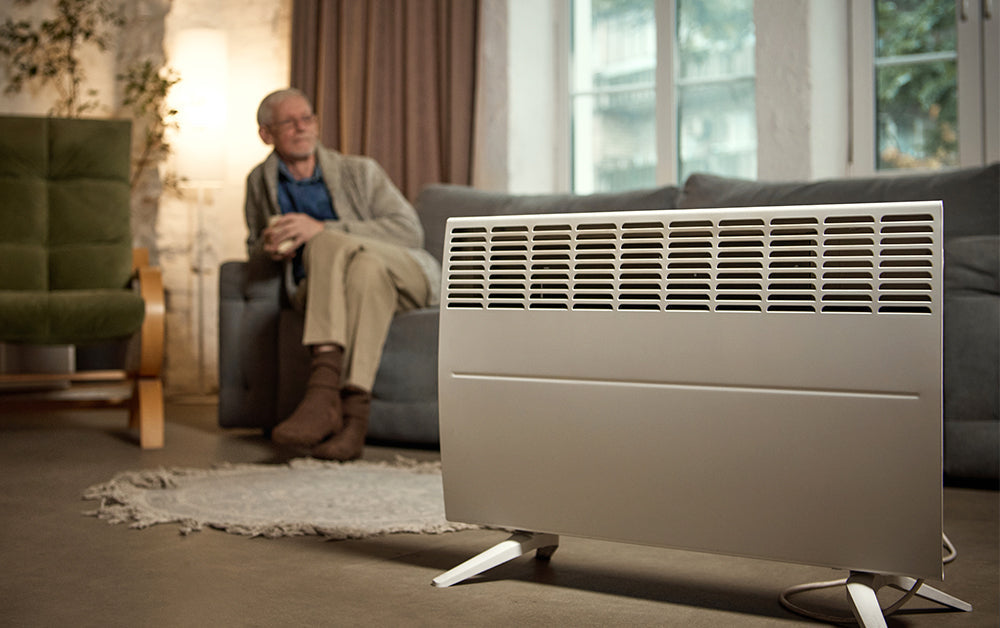
Beyond decorations, winter itself creates risk conditions: dry air, closed windows, heaters running nonstop, and fireplaces in frequent use. As homes seal up, small problems—like a drying garland near a vent, a space heater placed too close to a Christmas blanket, or a forgotten candle—can escalate more quickly.
6. A Quick, Practical Note on Smoke/CO Alarms
A functioning smoke alarm is the most effective early-warning tool.
NFPA and FEMA recommend:
- Testing smoke alarms monthly.
- Ensuring alarms are installed on every level, outside sleeping areas, and inside bedrooms.
- Checking CO alarms in homes with fireplaces, gas appliances, or attached garages.
When decorations, guests, and seasonal routines shift your home’s layout and electrical use, a functioning alarm becomes a quiet, invisible safety net.
Tip: Installing a UL-compliant smoke alarm, such as Siterwell's products, can enhance protection, providing reliable alerts during the high-risk holiday season.

7. A Simple Holiday Safety Checklist
To make life easier during the busiest month of the year, here’s a quick editorial-style rundown:
Decoration & Lighting
- Inspect lights for fraying or heat
- Use LED where possible
- Turn everything off before bed
Power Safety
- Avoid overloaded outlets
- Use extension cords sparingly
- Keep cords visible—not under rugs
Trees & Greenery
- Water fresh trees daily
- Keep all trees away from heat sources
- Clear clutter around tree bases
Candles & Fireplaces
- Never leave a burning candle unattended
- Keep flammables three feet away
- Use screens for fireplaces
Alarms
- Test smoke alarms
- Confirm CO alarms are functional
- Check for alarms on each floor and near sleeping areas

A Safe Home Makes the Holidays Feel Brighter
Holiday safety isn’t about being fearful, nor about stripping joy from the season. It’s about preserving the very things we gather to celebrate—family, warmth, tradition, and comfort. Most holiday-related fires begin with ordinary items we love: lights, trees, candles. A few mindful habits are often enough to keep them from becoming more than festive décor.
For additional peace of mind, explore Siterwell’s family safety solutions, including UL-compliant smoke and CO alarms designed to protect your home throughout the holiday season.