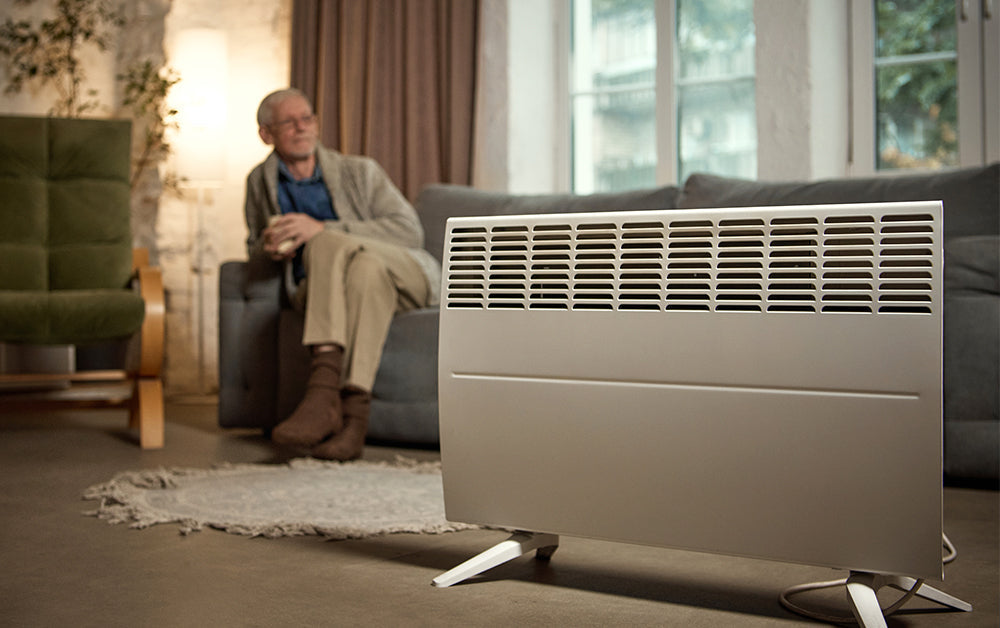
As winter temperatures drop across the United States, families spend more time indoors—and portable space heaters quickly come out of closets and basements. From bedrooms and home offices to living rooms, these compact devices provide fast, affordable warmth.
However, federal fire safety data shows that space heaters also significantly increase the risk of house fires, burn injuries, and carbon monoxide (CO) exposure when used improperly. Understanding these risks—and how to reduce them—can help families stay warm without compromising safety.
Why Space Heaters Increase Winter Fire Risk
According to the National Fire Protection Association (NFPA), space heaters and other home heating equipment are involved in about one-third of U.S. home heating fires each year and account for the majority of heating-related fire deaths and injuries. These incidents result in hundreds of fatalities and thousands of injuries annually.
Nearly half of all heating fires occur between December and February, when cold weather drives heavier reliance on portable heaters. Many of these fires start silently and escalate quickly—often before anyone realizes there is danger.

Common Winter Heating Hazards in the Home
Winter fires and CO incidents often begin with everyday situations. The most common space-heater hazards include:
-
Heaters placed too close to flammable items
Curtains, bedding, rugs, furniture, and holiday decorations can ignite if they’re too near a heat source.
-
Unattended or overnight heater use
Leaving a heater running while sleeping or when no one is home dramatically increases fire risk.
-
Use in high-risk environments
Garages, workshops, and storage areas with paints, fuels, or solvents can turn a small malfunction into a serious fire.
-
Carbon monoxide buildup
In modern, energy-efficient homes, CO fumes from improperly used heaters, fireplaces, or stoves can become trapped indoors—creating a dangerous, invisible threat.
Even a brief lapse in attention can turn winter comfort into a life-threatening situation.

Space Heater Safety Tips Every Family Should Follow
Fire safety experts generally recommend these best practices to reduce winter heating risks:
-
Place heaters on a hard, level, nonflammable surface
Space heaters are designed to sit on the floor—not on tables, nightstands, or shelves.
-
Maintain a 3-foot (90 cm) clearance from combustibles
Keep curtains, bedding, rugs, furniture, and holiday decorations away from the heater. Taller units may require even more space.
-
Establish a kid- and pet-free zone
Never place a heater in a child’s room or where pets can knock it over.
-
Avoid garages and flammable storage areas
Never operate heaters near gasoline, paint, or other combustible materials.
-
Turn heaters off before sleeping or leaving the room
Unattended heaters are one of the leading causes of winter heating fires.
-
Never use extension cords or power strips
These can overheat and cause electrical fires.
-
Inspect heaters regularly
Watch for warning signs such as melted plastic, scorch marks, or damaged cords, and follow the manufacturer’s instructions for maintenance and replacement.

Stay Alert: Smoke and CO Alarms Matter
Even when space heaters are used responsibly, working smoke and carbon monoxide alarms are essential. Fires and CO buildup can escalate rapidly, often before occupants smell smoke or feel symptoms.
Smoke alarms, CO alarms, and combination alarms that meet recognized U.S. safety standards—such as UL-listed or ETL-certified devices—provide early warnings that give families time to respond and escape safely.
Regular testing, proper placement, and timely battery replacement are just as important as careful heater use.

Stay Warm, Stay Safe This Winter
Winter comfort doesn’t have to come at the cost of safety. By using space heaters properly, supervising their operation, and ensuring smoke and carbon monoxide alarms are functioning correctly, families can enjoy a warm home with greater peace of mind.
A few preventive steps today can help protect what matters most—your home and the people inside it—throughout the winter season.