A Hidden Danger in Your Home
In our previous article, Fire Safety for Seniors and Children: Tips to Reduce Home Fire Risks, we discussed how seniors and children are particularly vulnerable to home fires and shared practical steps to protect these household members.
But fire isn’t the only invisible threat—carbon monoxide (CO), a colorless, odorless gas, can accumulate quickly, especially in homes with fuel-burning appliances, attached garages, or during power outages. While adults may notice early symptoms, children and seniors can show subtle or atypical signs, making CO particularly dangerous for these groups.
In many multigenerational households, families rely on furnaces, fireplaces, or portable fuel-burning generators during colder months. Without proper ventilation, CO can build up within minutes.

Why Kids and Seniors Are at Higher Risk
Children and older adults are not just “older” or “younger” — their vulnerability stems from physiological, behavioral, and environmental factors.
1. Physiological sensitivity
Children breathe faster and have smaller bodies, which means they absorb CO more quickly and develop symptoms sooner.
Older adults often have reduced heart or lung capacity, so even low exposure levels can lead to serious harm—especially for those with pre-existing cardiovascular or respiratory conditions.
2. Limited awareness and response
Young children may not recognize or report early symptoms such as headache, dizziness, or nausea.
Older adults may have hearing loss or slower reaction times, making it harder to notice or respond to a CO alarm—particularly during sleep.
3. Home environment and habits
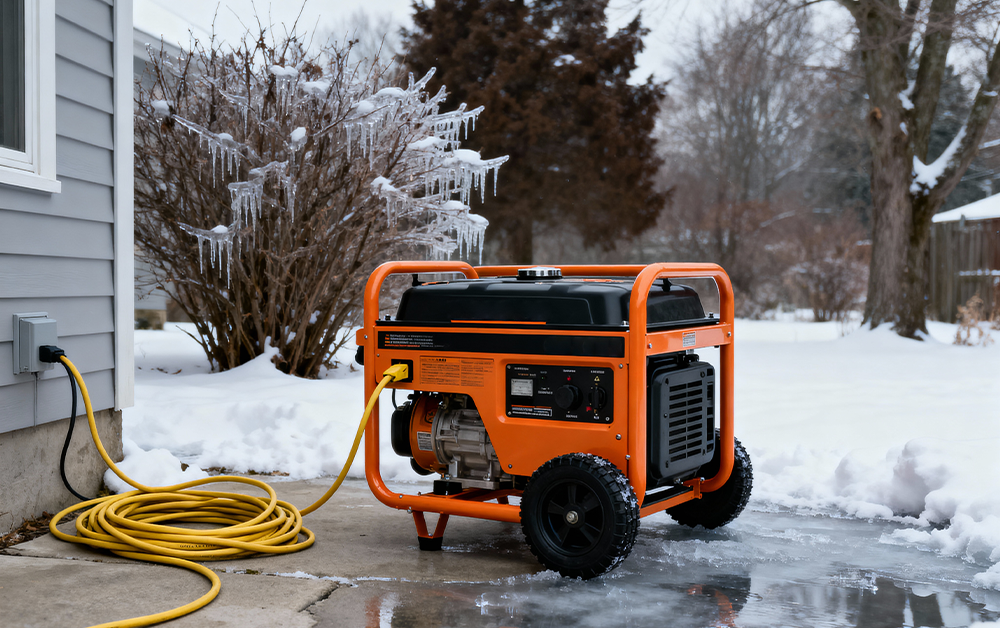
In many multigenerational households, families rely on furnaces, fireplaces, or portable fuel-burning generators during colder months. Without proper ventilation, these devices can cause CO to build up within minutes.
4. Data confirms the danger
-
Each year, over 400 Americans die from unintentional, non-fire-related CO poisoning, while thousands more require emergency care (CDC).
- Research shows that CO poisoning incidence is highest among children aged 5 years or younger (7.8 per 100,000 person-years in a New York State study) and that older adults (65 +) face far higher death rates from CO exposure than younger age groups.
Together, these factors show why households with kids or seniors need reliable CO protection, regular appliance maintenance, and clear emergency planning.

Simple Steps to Reduce CO Risk at Home
1. Install reliable CO alarms
Place CO alarms outside each sleeping area and on every level of the home. Ensure the alarm meets the UL2034 (or equivalent) standard and carries an end-of-life alert. For example, the UL2034-compliant Siterwell CO Alarm provides fast, accurate detection and is perfectly portable—ideal for protecting your home, hotel room, RV, or campsite.
2. Maintain appliances and ensure ventilation
Have furnaces, water-heaters, fireplaces and portable generators professionally inspected annually. Keep vents, chimneys and flues clear of debris, ice or nests. The United States Environmental Protection Agency (EPA) notes that typical homes without gas stoves have CO levels of 0.5-5 ppm, but poorly vented appliances may raise that to 30 ppm or higher.
Portable generators should be placed at least 20 feet (6 m) from windows, doors, or vent openings, even in cold weather.
3. Educate and plan for vulnerable household members
Teach everyone in the household what a CO alarm sounds like and what to do (go outside to fresh air, call 911). Because children may show vague symptoms (headache, nausea) and older adults may sleep more deeply or have muted symptoms, make sure someone checks the alarm during the night and knows how to help.
For homes where a child or older adult is alone for part of the day, consider placing a plug-in or hard-wired CO alarm in the sleeping area and ensure doors/windows aren’t blocked.
4. Test and replace alarms regularly
Test alarms monthly and replace CO alarms every 7–10 years (or as the manufacturer indicates). Even sealed battery models must be tested—older residents, in particular, should be reminded to press the “test” button or enlist a caregiver.

Quick CO Safety Checklist
1. CO alarm installed outside sleeping areas + on every level
2. Fuel-burning appliances are professionally inspected annually
3. Never use generators or grills indoors or in garages
4. Monthly alarm tests; replace alarms at end of life
5. Household trained on alarm sounds and immediate response
Build a Safety Routine for Every Generation
CO is often called the “silent killer” for good reason—it’s undetectable without a proper device, and its symptoms can mimic flu or fatigue. But the good news is that protection is simple and affordable when done right. With proper alarm placement, regular appliance maintenance, and household awareness—especially where children and seniors live together—homes can become safer for everyone.
For reliable protection, explore trusted options like Siterwell CO alarms, smoke/CO combo alarms, designed for early detection and long-term reliability.