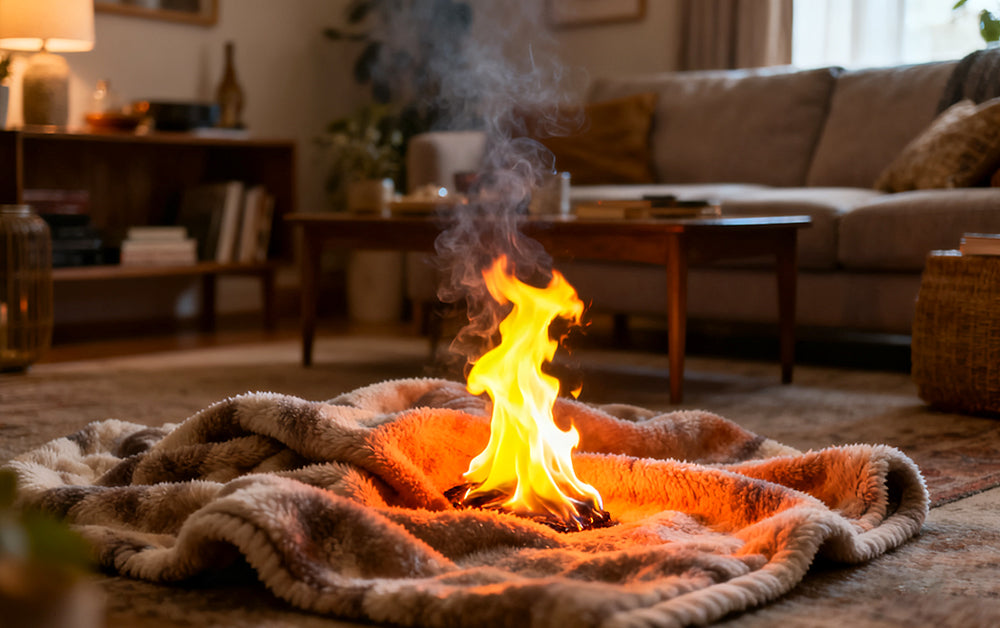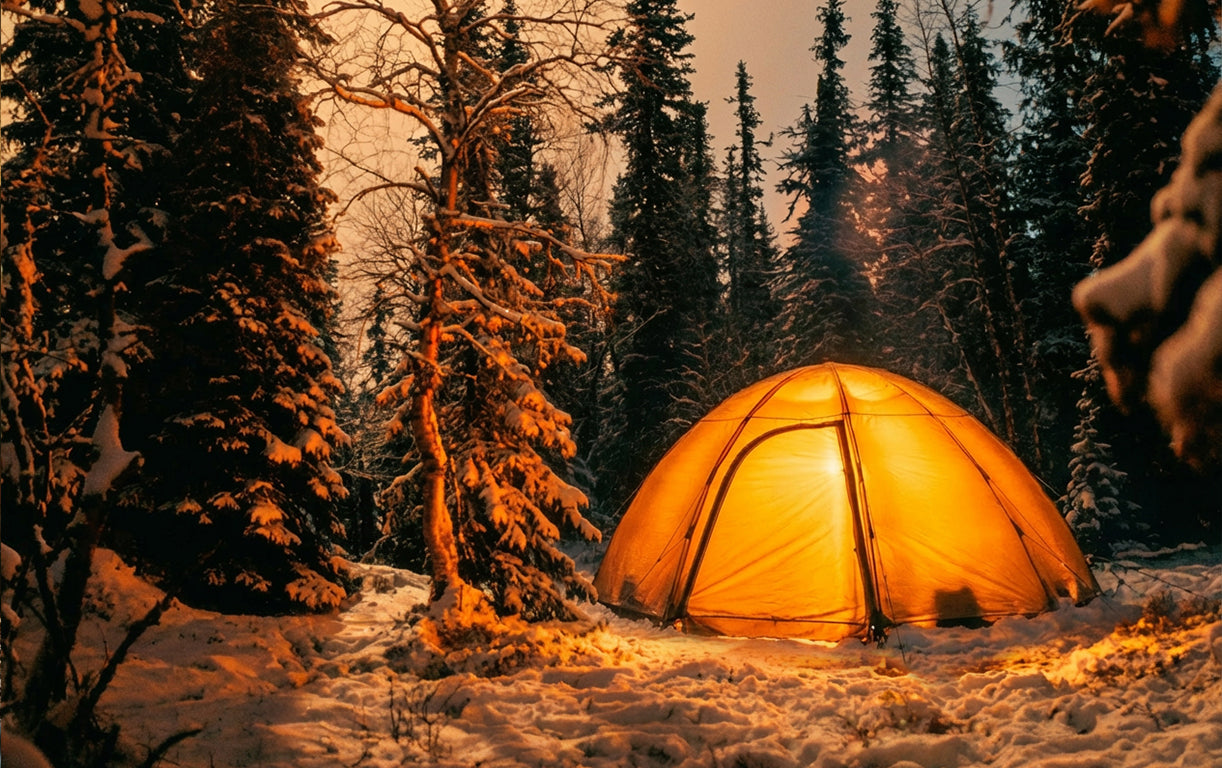
In the outdoor camping community, there is a chillingly accurate saying: "A tent doesn't just keep the wind out; it keeps the poison in." While we often praise tents for their high-quality sealing and insulation, this feature becomes a deadly trap when combined with improper heating.
Camping is about breathing fresh air and reconnecting with nature. However, as temperatures drop at night, many campers bring propane heaters, gas lanterns, or even portable generators into their tents or vestibules. This is where the danger lies: the very fabric that protects you from a rainstorm also prevents air circulation, allowing Carbon Monoxide (CO) to build up to lethal levels in minutes.

2024-2025: A Wake-Up Call from the Wild
Even with advanced gear and outdoor education, carbon monoxide poisoning remains the "silent killer" of the American wilderness.
February 2025: The Ice Fishing Tent Tragedy Two men, aged 45 and 37, were found deceased inside an ice fishing tent at Crow Lake Provincial Park. Investigators determined that a combination of a fire and propane heating sources, used within the sealed tent, led to lethal CO levels.
News & Resource Links:

Why is CO More Dangerous Than You Think?
Carbon monoxide is invisible, odorless, and tasteless. By the time you feel symptoms like dizziness, fatigue, or nausea, your blood's carboxyhemoglobin levels are often already at a dangerous peak. For those sleeping, there is almost zero chance of detecting the danger; victims simply slip from sleep into a deep, irreversible coma.

Your Survival Essential: The Portable CO Detector
In outdoor survival, the best defense isn't "experience"—it's monitoring. Just as you wouldn't live in a home without a smoke alarm, you shouldn't sleep in a tent without a reliable CO detector.
The Siterwell 10-Year Lifespan Portable Carbon Monoxide Detector is engineered for exactly this kind of high-stakes environment.
10-Year Lifespan: No need to worry about sensor degradation for a decade; it’s a long-term investment in your safety.
Portable & Versatile: Designed to be compact. Whether you are using a portable power station or a plug-in source, it fits seamlessly into your gear kit.
Built-in Backup Battery: Equipped with a high-capacity battery, it offers total independence. You can hang it in a remote backpacking tent, a mountain hut, or a deep-woods campsite where electricity doesn't exist.
Precision Alerting: Equipped with a high-accuracy electrochemical sensor, it detects even trace amounts of CO and triggers a powerful alarm loud enough to wake the deepest sleeper before it’s too late.
Product Link: https://store.siterwellhome.com/products/siterwell-10-year-lifespan-plug-in-portable-co-detector
Outdoor Survival Safety Protocol
Zero Tolerance for Open Flames: Unless your tent is a "hot tent" specifically designed with a stove jack/chimney, never use fuel-burning appliances inside.
Ensure Cross-Ventilation: Always keep at least two ventilation points open—ideally on opposite sides—to create an airflow loop.
Technical Redundancy: Always carry a Siterwell Portable CO Detector. It is the only "sense" you have that can "smell" the invisible threat while you sleep.
Don't let a quest for freedom end in a preventable tragedy. Your tent protects you from the elements; let Siterwell protect you from the air you breathe.