Summer means road trips, camping weekends, lake cabins, RV adventures, and family vacations. Most travelers remember the essentials — phone chargers, sunscreen, bug spray, and snacks.
But there’s one small safety device many people still forget to bring: A portable carbon monoxide alarm.
And every year, that mistake leads to preventable emergencies.
According to the U.S. Consumer Product Safety Commission (CPSC), more than 200 people in the United States die every year from accidental non-fire CO poisoning linked to consumer products. Portable generators alone account for more than 100 of those deaths annually. Many of these incidents happen during travel, power outages, camping trips, or temporary stays away from home.
As summer travel continues to rise in 2026, portable CO alarms are becoming an increasingly important part of travel safety.
Why Carbon Monoxide Risks Increase During Summer
Many people associate carbon monoxide poisoning with winter heating systems. But summer introduces its own set of risks — especially when families spend more time traveling, camping, or using fuel-powered equipment outdoors.
Common summer CO sources include:
- Portable generators during storms or camping trips
- Boat engines and marine exhaust
- Charcoal grills used near enclosed spaces
- Gas-powered tools in cabins or garages
- Poorly ventilated vacation rentals
The biggest danger is that carbon monoxide is completely invisible and odorless.
The CDC describes CO as a gas that “kills without warning.” Symptoms often begin with headaches, dizziness, nausea, and fatigue—symptoms many travelers mistake for dehydration, heat exhaustion, or motion sickness.

Vacation Rentals and Hotels May Not Always Be Properly Protected
The rise of Airbnb-style travel has changed the way families vacation, but not every rental property is consistently maintained.
Some cabins, older hotels, and vacation homes may have:
- Missing CO alarms
- Expired detectors
- Dead batteries
- Improper alarm placement
That’s one reason more travelers are starting to pack their own portable CO alarms for extra peace of mind.

Why Portable CO Alarms Make Sense for Travel
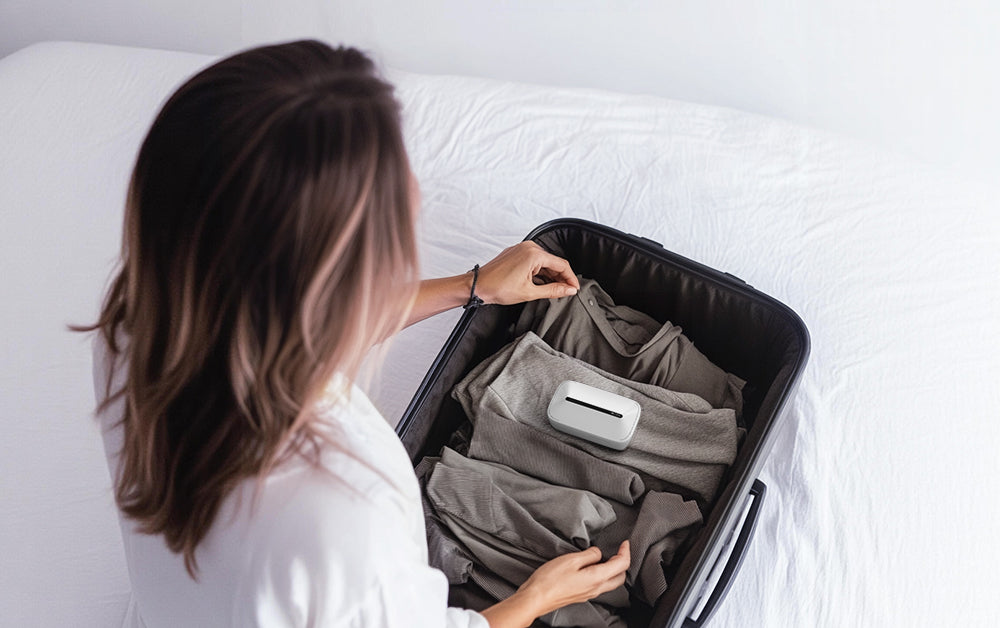
Unlike traditional wall-mounted alarms, portable CO alarms are designed for flexibility and travel. You can bring them almost anywhere: Hotels, Airbnb rentals, Campers, Boats, Cabins, Road trips.
Portable alarms continuously monitor the air and alert you if dangerous carbon monoxide levels are detected.
For families traveling with children, pets, or older adults, portable detection is especially important since these groups are often more vulnerable to carbon monoxide exposure.
What to Look for in a Portable CO Alarm in 2026
If you’re choosing a portable CO alarm for travel, prioritize features such as:
- Compact, lightweight design
- Long battery life
- Loud audible alerts
- Easy-to-read status indicators
- One-button testing
- UL2034 compliance
Modern portable CO alarms are designed to be easy to pack, easy to use, and reliable wherever your summer takes you.

Final Thoughts
Whether you’re planning a camping trip, beach vacation, or weekend cabin getaway, a portable carbon monoxide alarm adds an extra layer of safety wherever you stay.
Looking for compact CO protection designed for travel and everyday peace of mind? Explore portable carbon monoxide alarms from Siterwell built for life on the go.