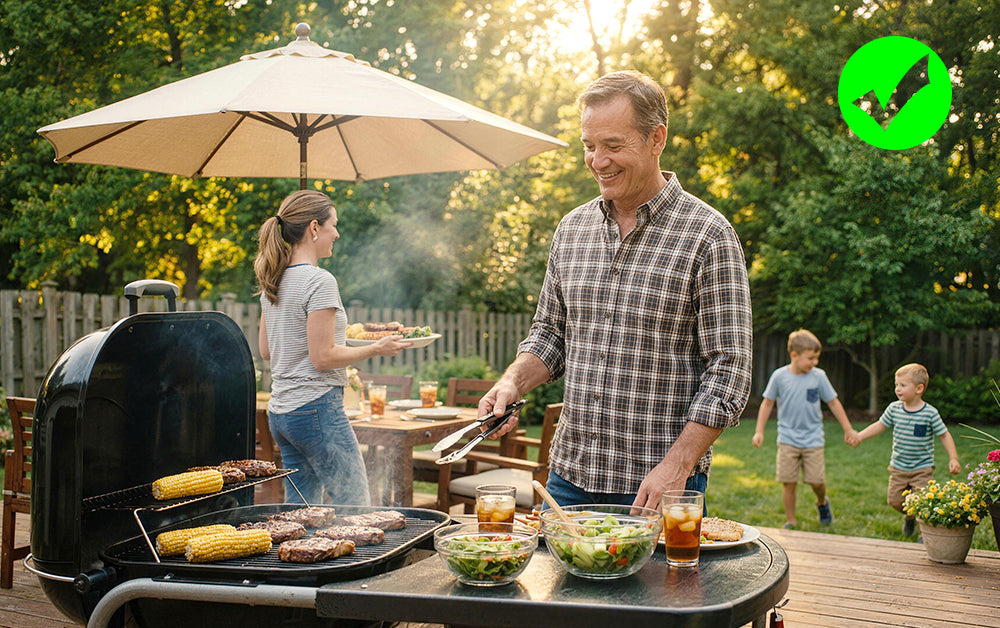
The first warm weekend of grilling season feels like summer has officially arrived. Backyards fill with the smell of burgers, steaks, and charcoal smoke. Kids run through sprinklers. Friends gather around the grill.
But every year across North America, one invisible danger quietly follows some families back indoors: Carbon monoxide (CO).
And unlike smoke, CO gives no warning.
Why Grilling Season Also Means Higher CO Risk
Most people associate carbon monoxide poisoning with winter heating season. But grilling season creates its own set of risks — especially when weather changes suddenly, power outages happen, or families try to move cooking indoors.
Charcoal grills, propane grills, portable camping stoves, and generators all produce carbon monoxide while burning fuel. Even a grill that seems “safe for just a few minutes” can allow dangerous CO levels to build up inside enclosed or semi-enclosed spaces.
According to the Centers for Disease Control and Prevention (CDC) , more than 400 Americans die each year from unintentional, non-fire-related carbon monoxide poisoning, while over 100,000 visit emergency rooms annually. The U.S. Consumer Product Safety Commission (CPSC) has specifically warned that charcoal grills should never be used indoors, even with ventilation.

Common Summer Situations That Create CO Danger
1. Grilling Inside the Garage During Rain
This is one of the most common and deadly mistakes. Opening the garage door does not make it safe. Carbon monoxide can still build up rapidly inside attached garages and drift into the home.
2. Bringing a Grill Into a Tent or RV
Campers sometimes move portable grills or charcoal cookers inside tents, campers, or enclosed awnings to stay warm or cook during storms. This creates an extremely high-risk environment for CO buildup.
3. Using Generators Near Doors or Windows
Summer storms and hurricanes frequently knock out power during grilling season. The CDC warns generators should always operate at least 20 feet away from windows, doors, and vents. Even outdoor use can become dangerous if exhaust drifts back indoors.
4. Leaving Hot Charcoal Indoors After Cooking
Many people don’t realize charcoal continues producing carbon monoxide long after cooking ends. Bringing partially burned charcoal into a garage, shed, or enclosed porch can still create deadly conditions.

How to Protect Your Family During BBQ Season
Always Grill Outdoors
Keep all charcoal and gas grills fully outdoors and well away from: Doors, Windows, Garage openings, Air vents. Never use grills indoors — even “briefly.”
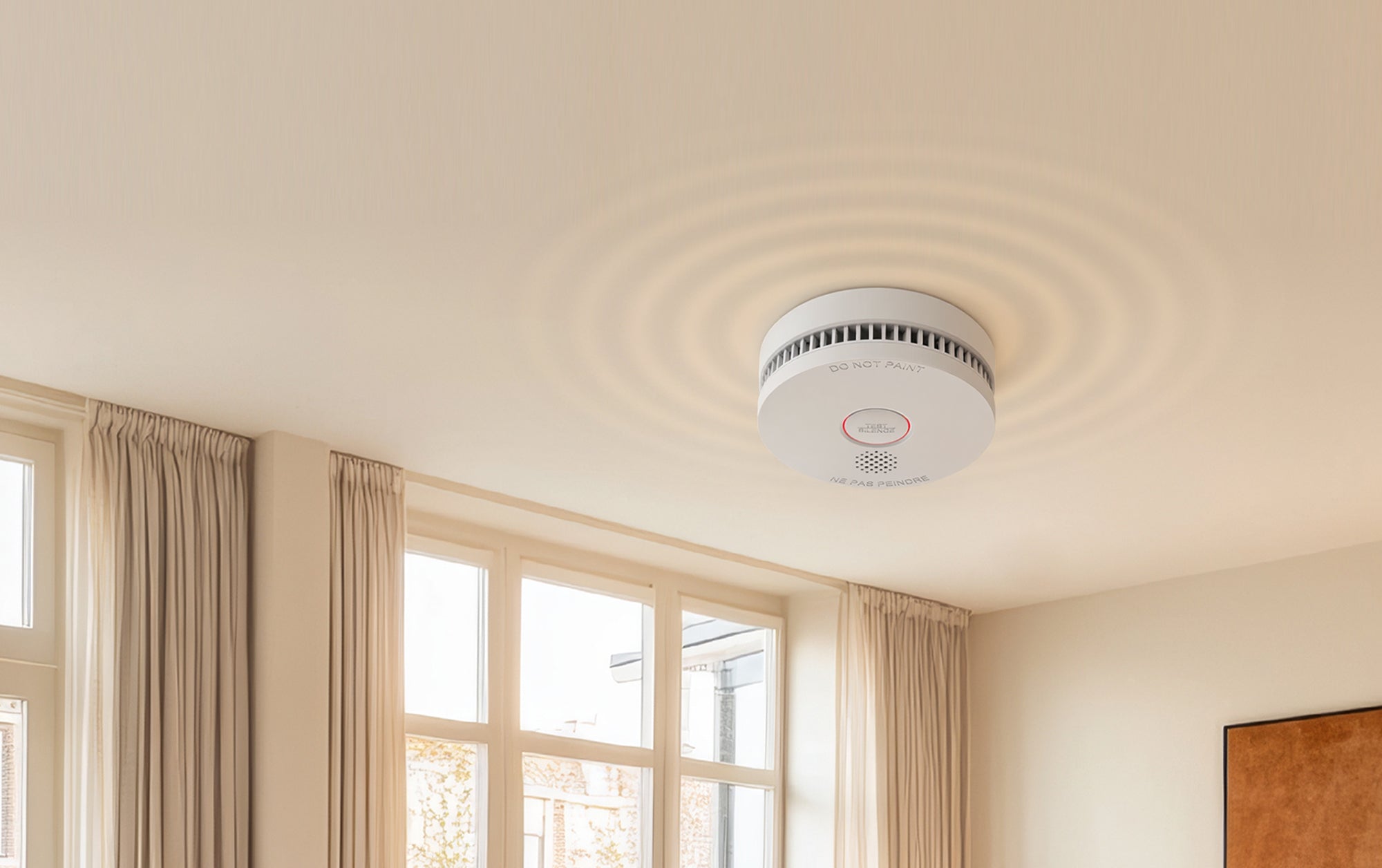
Install Carbon Monoxide Alarms
Every home should have working carbon monoxide alarms installed outside sleeping areas and on every level of the home. The CDC recommends testing alarms regularly and replacing them according to manufacturer guidelines.
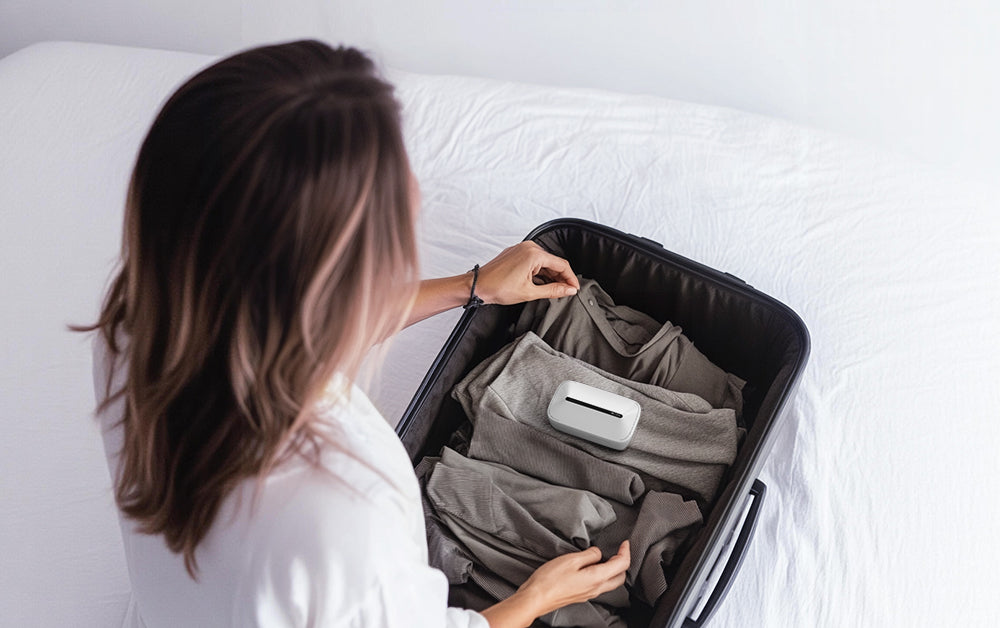
For families who travel, camp, or use RVs frequently, portable CO alarms can add another layer of protection.
Know the Symptoms
If several people suddenly experience headaches, dizziness, nausea, or unusual fatigue at the same time:
- Move outdoors immediately
- Call emergency services
- Seek medical attention
Do not assume it is simply heat exhaustion.

The Smell of BBQ Should Stay Outside
Summer grilling should create memories — not hidden dangers. Carbon monoxide is invisible, odorless, and can build up faster than many families realize. That’s why having a reliable CO alarm matters just as much as safe grilling habits.
A reliable carbon monoxide alarm can provide an early warning at home, in vacation rentals, or during unexpected summer power outages. Products like the Siterwell CO Alarm are designed to help families stay protected.