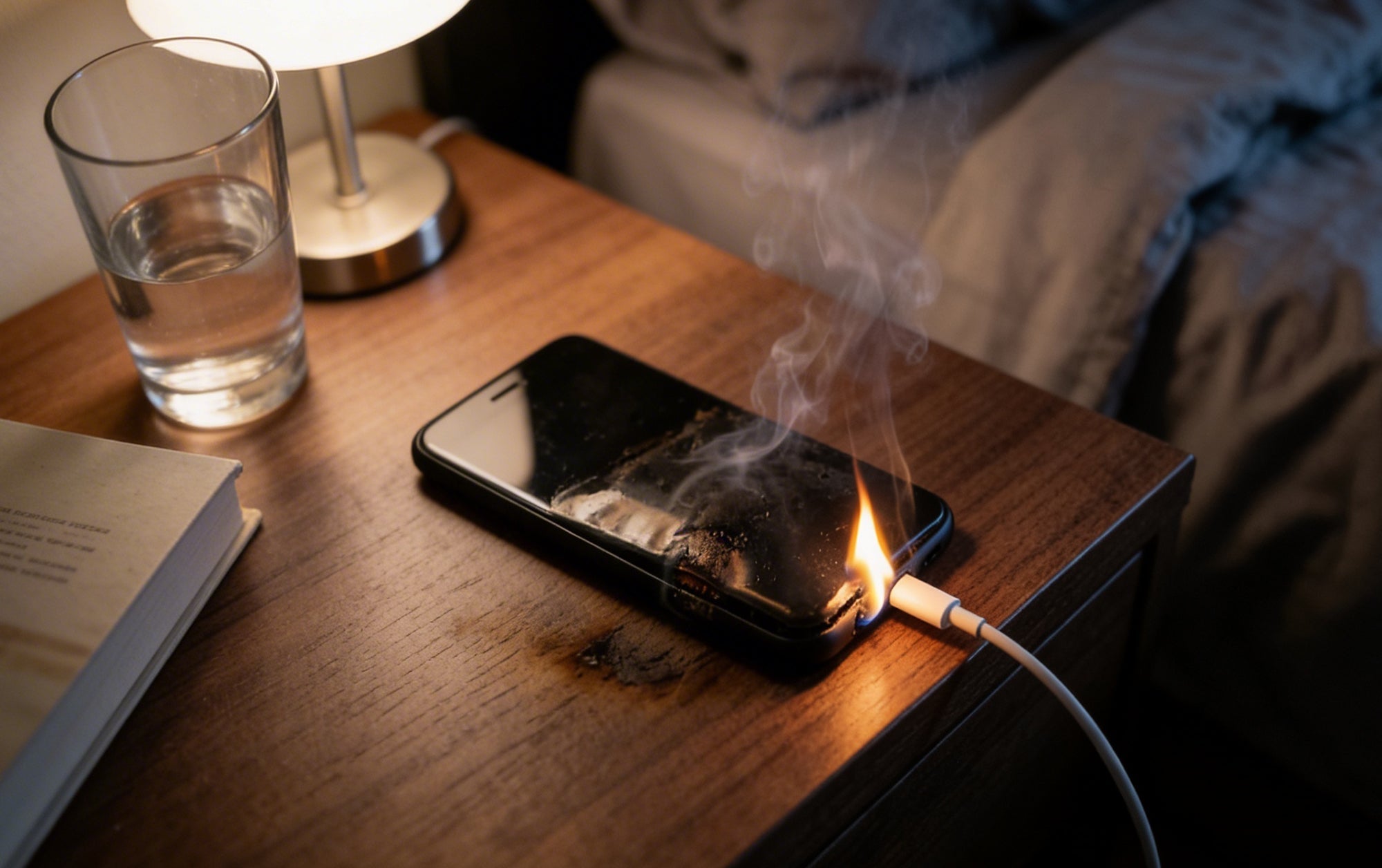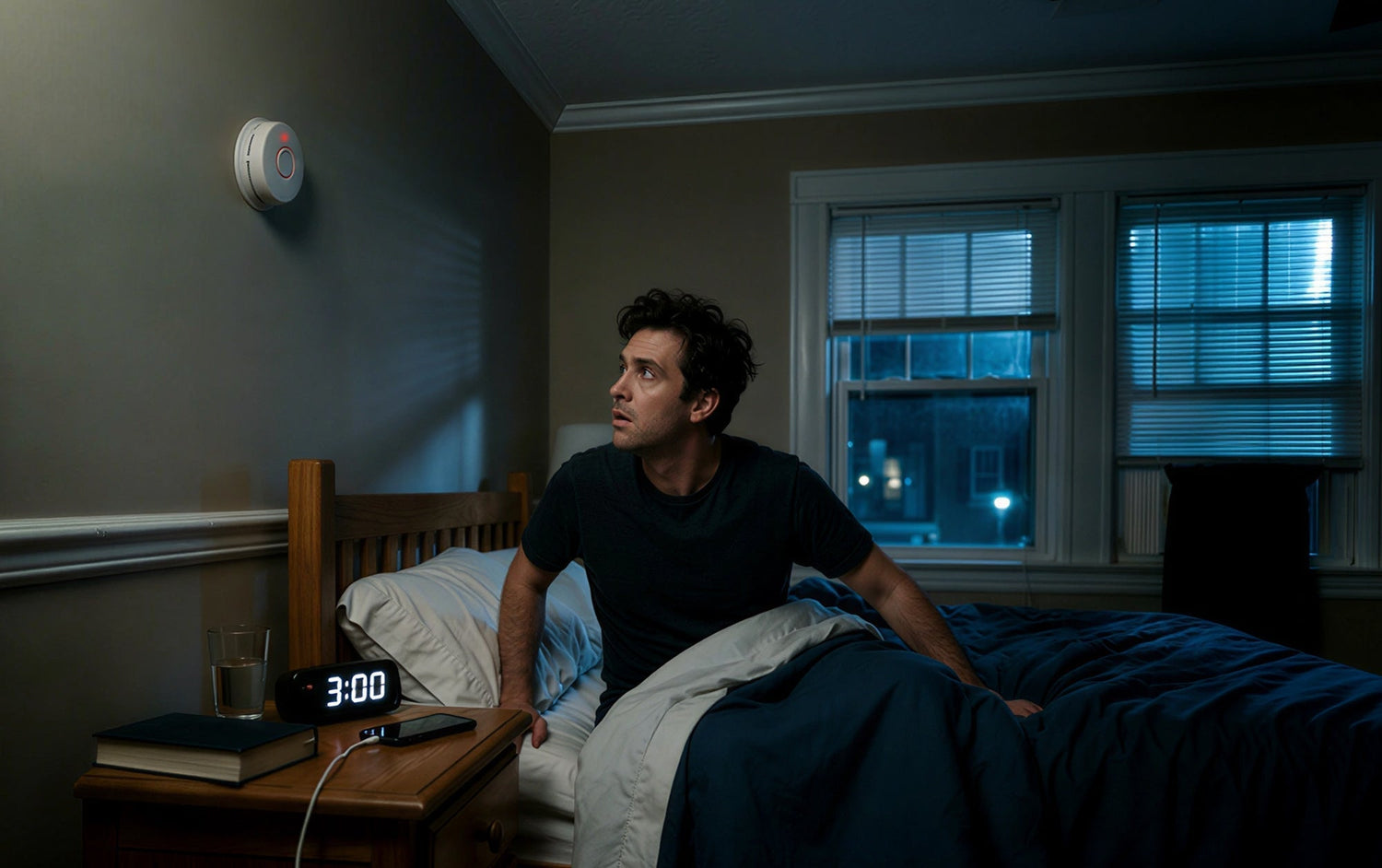
Have you ever been jolted awake at 3 AM by your smoke detector’s piercing alarm, only to find nothing burning? You’re not alone. Many American households experience these mysterious “ghost alarms,” especially during the spring and summer months when humidity and temperature changes are at their peak. Understanding why this happens can help you reduce false alarms while keeping your home safe.
Why Smoke Alarms Go Off for No Reason
False alarms are often triggered by changes in humidity, temperature, and air circulation. In many U.S. homes—particularly older ones—these environmental factors can confuse certain types of smoke detectors.
Ionization Smoke Alarms: Sensitive to Water Particles
Older homes often have ionization smoke alarms, which are very good at detecting fast-flaming fires. However, they have a small “weakness”:
Ionization detectors sense tiny airborne particles, not just smoke.
High humidity or steam can create microscopic water droplets in the air, which can mimic smoke particles.
This is why kitchens, bathrooms, or even hot showers can sometimes set off an alarm.

Why It Happens at 3 AM
There is a scientific reason why these "nuisance alarms" happen in the dead of night rather than the heat of the day.
- Coldest Part of the Night: Temperatures usually drop to their lowest point in the early morning.
- Peak Relative Humidity: Cooler air holds less moisture, so the relative humidity reaches its highest level.
- Microscopic Water Droplets: These droplets can trigger ionization sensors, producing that sudden beep—sometimes referred to as a “ghost alarm.”
So while it feels like your smoke detector has a mind of its own, it’s actually responding to normal environmental changes such as humidity and temperature shifts.
How to Reduce False Alarms
Here are practical steps to keep your smoke alarms from waking the whole house unnecessarily:
-
Upgrade to Photoelectric Smoke Alarms:
-
Avoid Installing Near Steam Sources:
Keep detectors away from bathrooms, kitchens, and laundry rooms when possible.
-
Maintain Your Alarms:
Dust and insects can also trigger false alarms. Regular cleaning helps maintain sensitivity without compromising safety.
-
Check Humidity and Ventilation:
Using a fan or dehumidifier in high-humidity areas can help reduce false triggers during spring and summer.

Safety First: False Alarm ≠ Disable Alarm
Even if your smoke alarm seems overactive, never disable it permanently. False alarms are inconvenient, but they’re much better than missing a real fire. A properly placed Siterwell photoelectric smoke alarm can provide reliable early warning without being triggered by everyday humidity changes.