As we head into the 2026 spring season, many of us are focusing on refreshing our homes and spending more quality time with our four-legged family members. However, as we seal our windows against spring pollen or fire up the water heater for a post-walk bath, an invisible danger may be lurking closer to the ground than you think.
When it comes to CO toxic gas (Carbon Monoxide), our pets are not just "smaller versions" of us—they are physiologically more vulnerable and are often the first to suffer when a leak occurs. Understanding why is the first step in being a responsible pet parent.
The Science of the "Breathing Zone"
Physiologically, cats and dogs are at a significant disadvantage. First, consider their metabolic rate. Pets, especially smaller breeds, have much faster respiratory rates than humans. Because they breathe more frequently, they inhale more air—and any toxins within that air—relative to their body weight. What might be a "low-level" concentration for a 180-pound adult can quickly become a lethal dose for a 10-pound Pomeranian.
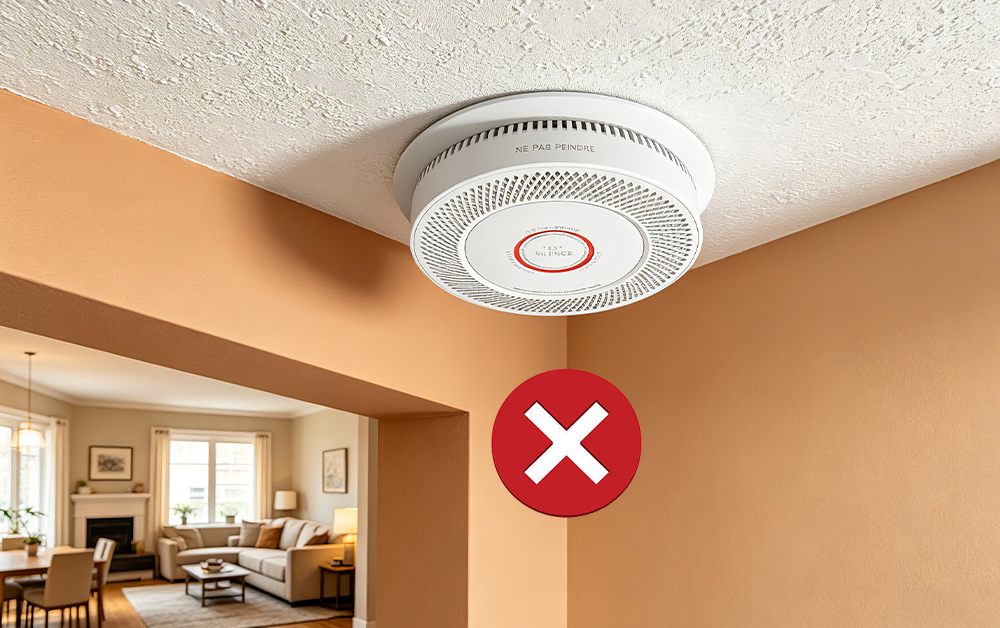
Furthermore, we must look at where they spend their time. Carbon Monoxide is roughly the same density as air, but in real-world home environments, gas distribution is rarely uniform. CO can "pool" in stagnant areas or move along floors depending on the temperature and air currents. Since pets live their entire lives in the 0-to-2-foot "breathing zone" near the floor, they are often submerged in contaminated air long before the gas rises to the level of a human’s nose.

Recognizing the Early Warning Signs
Because pets cannot tell us they have a "dull headache"—the most common early symptom in humans—the burden of detection falls on the owner. In many historical cases, pets have been described as the "canary in the coal mine," showing symptoms hours before their owners realize anything is wrong.
Keep a sharp eye out for these behavioral shifts in 2026:
- Sudden Lethargy: If your normally high-energy dog suddenly refuses to get up or seems unusually drowsy.
- Unexplained Vomiting: CO toxic gas causes severe nausea. If multiple pets start vomiting simultaneously, treat it as a red-alert emergency.
- Ataxia (Loss of Balance): If your cat or dog is stumbling, swaying, or appears "drunk," their brain may be struggling with oxygen deprivation caused by CO.
If you notice these signs and they seem to improve when the pet is taken outside into the fresh air, you likely have a CO leak.

The Solution: High-Sensitivity Protection
Standard, low-quality alarms are often designed only to trigger at high, life-threatening concentrations for humans. For a pet, waiting for that level of gas is a gamble you don't want to take. You need a solution that prioritizes early warning through high-sensitivity sensors.
This is where advanced detection technology becomes a literal lifesaver. By choosing a detector that monitors air quality with precision, you can identify a slow leak from a faulty furnace or water heater before it reaches the threshold that affects the "smaller" members of your household.

Featured Recommendation: Siterwell 10-Year Plug-in Portable CO Detector
For the ultimate peace of mind this spring, we recommend the Siterwell CO detector.
- Low-Level Detection: Its high-precision electrochemical sensor is designed to pick up traces of toxic CO gas early, providing the "voice" your pet doesn't have.
- Perfect Placement: Because it is a plug-in unit, it naturally sits at a lower level on your wall—closer to your pet’s breathing zone—ensuring faster detection of gas pooling near the floor.
- A Decade of Safety: With a 10-year sensor lifespan, you are securing your pet’s environment well into the next decade.
Your pets give you their world; the least you can do is make sure the air they breathe is safe. This spring, don't just clean your home—protect it.