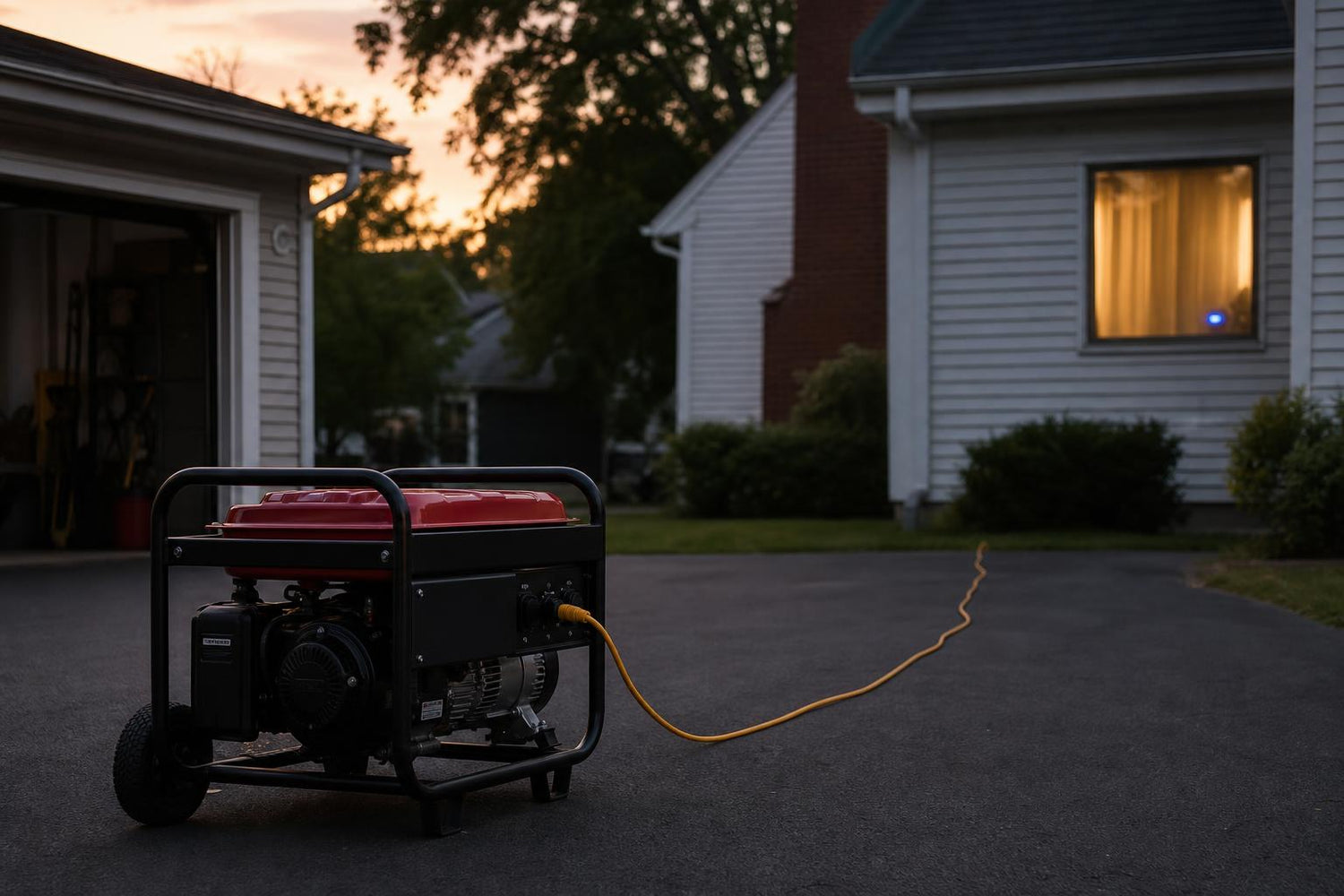
The lights flicker, then die. A summer storm has knocked out power to the whole block, the freezer is starting to sweat, and the family does what millions of American households do every year: they roll out the portable generator. Within twenty minutes the refrigerator is humming again and everyone breathes easier. The problem is the air they are breathing. Place that generator in the wrong spot, even an open garage that feels well ventilated, and it can flood a home with enough carbon monoxide to render a sleeping family unconscious before a single one of them smells a thing. Summer is supposed to be the safe season for fire. It is anything but, and the data tells a sobering story.
The season most people misread
Homeowners tend to file fire safety under winter: space heaters, holiday candles, overloaded outlets near the Christmas tree. That instinct is half right and half dangerous. According to the U.S. Fire Administration, cooking is the leading cause of home fires year round, and summer brings its own cluster of hazards that have nothing to do with cold weather. Grills migrate onto wooden decks. Air conditioners run for sixteen hours a day, straining aging wiring. Lithium-ion batteries in e-bikes and power tools bake in hot garages. And storm season, which in much of the country peaks from June through September, sends people reaching for portable generators that produce carbon monoxide at a rate that would alarm anyone who has actually measured it.
The Consumer Product Safety Commission estimates that portable generators are associated with roughly 80 carbon monoxide deaths a year on average, and the toll spikes after major storms and hurricanes when power stays out for days. A single portable generator can produce as much carbon monoxide as hundreds of idling cars. That is not a figure meant to frighten; it is the reason every credible safety agency repeats the same blunt rule. Run generators outdoors only, at least twenty feet from the house, with the exhaust pointed away from doors, windows, and vents. An open garage door does not count as outdoors.
Why carbon monoxide wins the stealth game
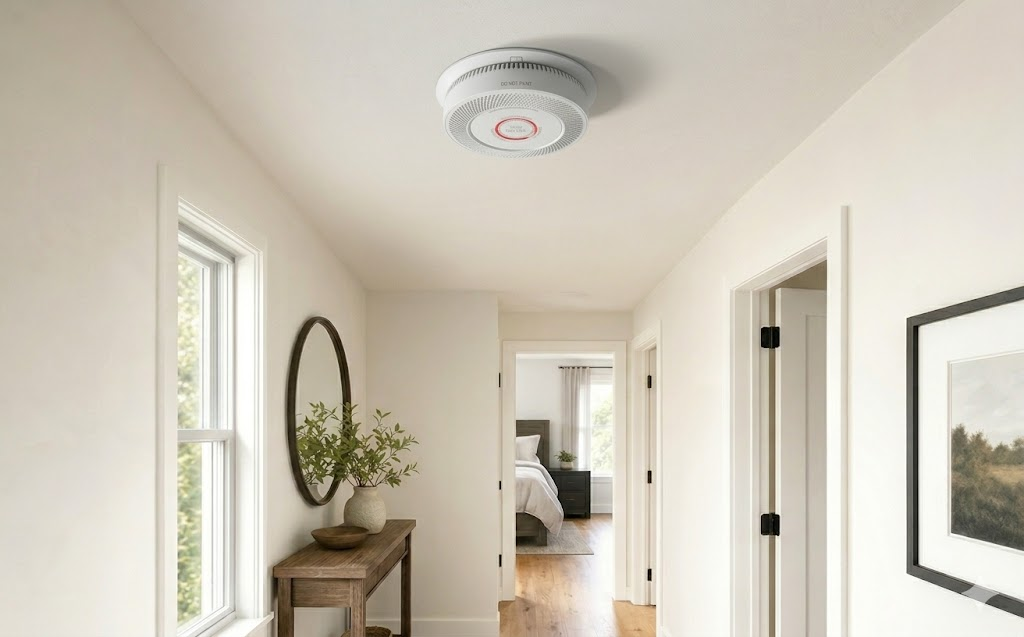
Carbon monoxide earns its nickname, the silent killer, because it defeats every sense a person has. It is colorless, odorless, and tasteless, and its early symptoms, headache, dizziness, nausea, and fatigue, are easy to mistake for summer heat exhaustion or a touch of food poisoning from the cookout. By the time the connection becomes obvious, the people most affected are often too impaired to act. A working carbon monoxide alarm is the only thing in the home that can detect the gas before the body does, which is exactly why a battery-operated CO alarm or a combination smoke and CO alarm belongs on every level of the house and outside every sleeping area.
The placement matters as much as the purchase. A carbon monoxide alarm tucked in a basement utility closet will not wake anyone upstairs. Detectors should be positioned where the household actually sleeps, because the danger is highest at night when everyone is unconscious and breathing slowly for hours. Interconnected smoke alarms and CO alarms, the kind that all sound together when one is triggered, close the gap between a far-off beep in the garage and the bedroom where it needs to be heard.
The summer fire-risk checklist most families skip
Veteran installers will say the same thing: the homes that burn or fill with gas are rarely the ones with no protection at all. They are the homes with expired, disabled, or poorly placed alarms that nobody has checked since they moved in. A few minutes of attention before the next heat wave or storm closes most of that gap.
- Test every smoke detector and carbon monoxide alarm by holding the test button until it sounds. Do this monthly, not annually.
- Check manufacture dates. A smoke alarm older than ten years and a CO alarm older than seven to ten years should be replaced outright, not just re-batteried. The sensor degrades whether or not the unit still chirps.
- Stage portable generators before the storm hits, and confirm the plan is at least twenty feet from the house with exhaust aimed away from any opening. Never run one in a garage, shed, carport, or breezeway.
- Keep grills, fire pits, and citronella torches at least ten feet from the house, deck railings, and overhanging branches.
- Charge e-bikes, scooters, and high-capacity tool batteries away from exits and never overnight while everyone sleeps. A hot garage accelerates the failure of a damaged lithium cell.
- Confirm there is a carbon monoxide alarm on every level and near every bedroom, especially in homes that use a generator, attached garage, or gas appliances.
Batteries, sealed units, and the chirp nobody answers
The most common reason a smoke alarm fails to do its job is depressingly simple. The battery is dead, or it was removed to stop a 3 a.m. chirp and never replaced. The National Fire Protection Association reports that in a large share of home fire deaths in homes with smoke alarms, the alarms were present but not working, most often because of missing, disconnected, or dead batteries. A device that is silenced is no safer than no device at all.
This is where the 10-year sealed battery alarm has quietly changed the math for a lot of households. Instead of a removable nine-volt that begs to be pulled out during a false alarm, a sealed unit runs for a decade on a lithium battery that cannot be borrowed for the TV remote. When the ten years are up, the whole unit retires together. For renters, busy parents, and elderly residents who should not be climbing ladders twice a year, a battery-operated smoke alarm with a sealed ten-year power source removes the single most common point of failure. Households with hardwired smoke detectors still benefit from a battery backup, because the storm that knocks out the power is often the very event that raises the fire and CO risk in the first place.
Renters, caregivers, and the people who get overlooked
Summer hazards do not fall evenly. New parents are running fans and monitors in nurseries where they may never have checked the ceiling detector. Elderly residents, who are statistically far more likely to die in a home fire, often live with alarms installed long ago by someone else and never tested since. Renters frequently assume the landlord handles all of it, when in many states the legal duty splits between landlord installation and tenant testing and battery replacement. The fix is the same across all three groups. Know where every smoke detector and carbon monoxide alarm in the home is, know how old it is, and make sure a combination smoke and CO alarm covers the sleeping areas where the family is most vulnerable.
None of this requires a contractor or a renovation. It requires an afternoon, a ladder, and the willingness to treat summer as a fire season rather than a break from one. The families who run a generator safely twenty feet from the house, who replace the decade-old detector instead of nursing it along, and who put a working CO alarm outside every bedroom are not being paranoid. They are simply reading the same data the safety agencies have published for years and acting on it before the next storm rolls in. The cost of getting it right is an evening of attention. The cost of getting it wrong does not bear repeating.