You can’t see it. You can’t smell it. And you certainly can’t taste it.
Carbon Monoxide (CO) is often called the "silent killer" because it is a colorless, odorless gas that can overcome a person before they even realize there’s a problem. According to the CDC, more than 400 Americans die from unintentional carbon monoxide poisoning each year, and over 100,000 visit emergency departments for treatment.
The good news? CO poisoning is entirely preventable. Here is everything you need to know about protecting your home and family.
1. What Causes Carbon Monoxide in Your Home
Carbon monoxide is produced anytime fuel is burned incompletely. In everyday life, that usually means common household appliances we rarely think twice about.
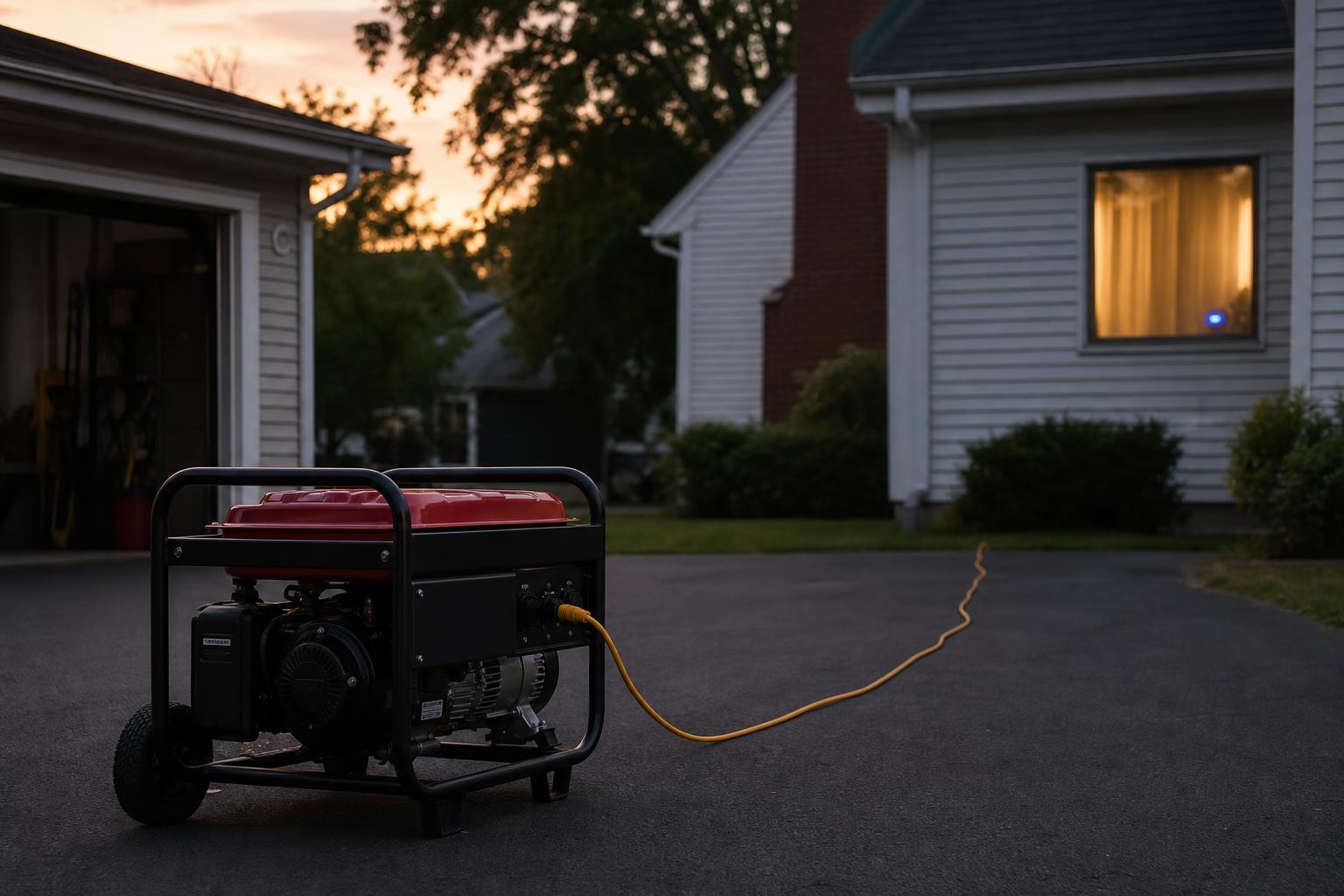
Gas furnaces, fireplaces, water heaters, gas stoves, portable generators, and even vehicles left running in attached garages can all produce dangerous CO levels under the wrong conditions. Most of the time, these appliances work safely. Problems happen when equipment is damaged, poorly ventilated, improperly installed, or not maintained regularly.
And unlike smoke, carbon monoxide doesn’t give visible warning signs before becoming dangerous.
That’s why CO exposure often happens at night—when families are asleep and completely unaware something is wrong.

2. Why Carbon Monoxide Poisoning Is So Dangerous
One of the biggest reasons CO poisoning is difficult to detect is that the symptoms initially feel surprisingly normal.
Early symptoms of CO poisoning are often mistaken for the flu:
- Headaches
- Dizziness
- Fatigue
- Nausea
- Shortness of breath
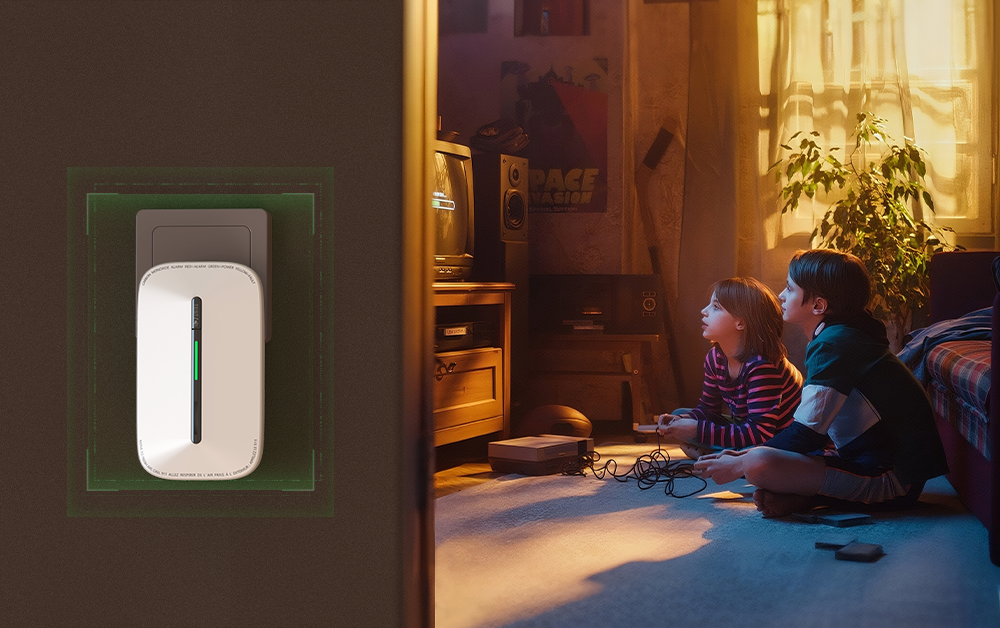
As exposure worsens, symptoms can quickly become severe, leading to confusion, unconsciousness, or even death. Children, older adults, pets, and sleeping individuals are especially vulnerable because they may experience dangerous effects more quickly. A working carbon monoxide alarm provides an early warning before symptoms become life-threatening.
3. How Does a CO Alarm Actually Work
Since humans can’t sense CO, we rely on advanced technology to be our "nose." Unlike smoke alarms that often use light beams, most high-quality CO alarms, including Siterwell’s, use Electrochemical Sensors.
Think of it like a small battery that only reacts to CO gas. When CO molecules enter the sensor, they trigger a chemical reaction that creates an electrical current.
These sensors are incredibly precise. They don't just "turn on or off"; they track CO levels over time. When the concentration reaches unsafe levels, the alarm sounds a loud audible warning.

4. Where Should You Install CO Alarms
Unlike smoke, which rises quickly to the ceiling, CO mixes with the air. However, for maximum safety, the placement of your CO alarms is dictated by proximity to sleeping areas:
- Near Every Sleeping Area: The most important location is in the hallway outside each bedroom area so the alarm is loud enough to wake you up.
- On Every Floor: Ensure there is an alarm on every level of your home, including the basement.
- Away from the Garage: If you have an attached garage, place an alarm at least 10 feet away from the door leading to the house to avoid false alarms from car exhaust.
- Placement Height: CO alarms can be placed on the wall or ceiling. If wall-mounted, ensure it is out of reach of children and pets.

5. What to Do When the Alarm Sounds
If your CO alarm goes off, never ignore it.
- Move to Fresh Air: Immediately move outside or to an open window/door.
- Account for Everyone: Make sure every family member and pet is safely evacuated.
- Call 911: Contact your local fire department or emergency services from a safe location.
- Do Not Re-enter: Stay outside until emergency responders tell you it is safe to return.
6. Professional Protection with Siterwell
When it comes to the "Silent Killer," you need a device that meets the highest safety standards. Siterwell CO Alarms are designed for your home:
-
UL 2034 Compliance
Rigorously tested to meet the U.S. national safety standards for CO detection.
-
High-Precision Electrochemical Sensor
Provides reliable detection of dangerous carbon monoxide levels.
-
Backup Battery Protection
Built-in backup battery support helps keep the alarm working during power outages and severe weather.
-
Simple, Hassle-Free Installation
Plug-in and easy-to-install models make setup quick and convenient for everyday households.
Conclusion
A Carbon Monoxide alarm is the only way to detect this invisible threat. For the cost of a few pizzas, you can provide your family with life-saving protection for years to come.
Explore Siterwell reliable carbon monoxide alarm solutions designed for modern homes.