Picture this: a cutting board left too close to the stove ignites at 2:30 in the morning. The smoke detector in the kitchen registers the smoke within three minutes. Its alarm screams at 85 decibels — louder than a chainsaw at six feet. The family is asleep in bedrooms on the second floor, behind closed doors. Nobody hears it.
That is not a hypothetical device failure. That is exactly how the majority of fatal home fires unfold. According to the National Fire Protection Association (NFPA), three out of five home fire deaths occur in properties where smoke alarms are either absent or non-operational. But there is a quieter, less-discussed failure mode hiding in millions of well-intentioned homes: a standalone smoke detector that simply cannot reach the people it was installed to protect. One alarm, one location, one fatal blind spot.
This is the article for every homeowner who bought a smoke detector, mounted it, changed the battery once or twice, and considers the matter settled. The matter is not settled.
One Alarm, One Floor, One Problem
A solitary battery-operated smoke alarm placed in a hallway covers roughly the acoustic space it can physically reach. Through a closed solid-core door, those 85 decibels drop to approximately 60–65 dB — not much louder than a normal conversation. Research published in collaboration with the National Institutes of Health indicates that sleep significantly raises the arousal threshold for auditory stimuli, and children in particular may not wake to an alarm sounding two rooms away and behind a door.
A single alarm is not a fire safety plan. It is a starting point — and a fragile one. Most residential building codes, including the widely adopted provisions of NFPA 72 (the National Fire Alarm and Signaling Code), have required smoke alarms on every level of a dwelling, inside every sleeping room, and outside each sleeping area for decades. The compliance problem is the existing housing stock: millions of homes built under older codes were never retrofitted, and current code requirements apply to new construction and major renovation — not to a 1985 ranch house that has changed hands three times since it was built.
Even in homes that technically meet code, there is a critical distinction between having the minimum number of alarms and having alarms that work together as a system.
What Interconnected Smoke Alarms Actually Do
Interconnected smoke alarms are built around a deceptively simple concept: when one alarm detects smoke or CO, every alarm in the network activates simultaneously. In a two-story, 2,000-square-foot home, this means the alarm picking up smoke from a basement dryer fire triggers the alarm on the ceiling directly above the master bedroom at the exact same moment. The family sleeping upstairs gets the same lead time as if the fire had started in the room next to them.
That lead time is everything. Fire can double in size roughly every sixty seconds under favorable conditions. According to NFPA research, fatal home fires most frequently occur between midnight and 6 AM, when occupants are asleep and least capable of detecting signs of danger independently. The data on escape outcomes show consistently that the single greatest variable separating survivors from fatalities is time to alarm notification. Interconnection is the engineering solution to the acoustic problem of a large, multi-room home.
There are two paths to interconnection: hardwired and wireless. Each has a distinct use case.
Hardwired vs. Wireless: Picking the Right Architecture
A hardwired smoke detector draws power from the home's electrical system and communicates with other units along the same circuit via a dedicated wire. New residential construction and significant renovations typically include these systems by default, and they have been the standard in professional fire protection for more than thirty years. They are reliable, eliminate battery anxiety in daily use (though they do carry a small backup battery for power-outage continuity), and are the setup most professional electricians and fire marshals default to recommending.
The limitation is retrofit cost. Installing a hardwired smoke detector network in a finished home means running new low-voltage wiring through walls — a project that generally runs between $500 and $2,500 depending on the home's construction, age, and layout. For many homeowners, that cost is a barrier that keeps the status quo in place indefinitely.
Wireless interconnected smoke alarms solve the retrofit problem entirely. They communicate via radio frequency — the same basic technology as a garage door opener or a wireless router — linking all units without any wiring modification. A competent DIYer can install a complete wireless network in a single afternoon. Modern RF protocols used in quality residential alarms have reliable ranges exceeding 100 feet, which covers the footprint of most American single-family homes.
For renters, wireless interconnected smoke alarms are essentially the only practical option. Tenants cannot legally or practically modify a building's electrical systems, and while most states legally require landlords to provide working smoke alarms, the laws rarely mandate interconnected systems. A renter who supplements the landlord's standalone alarm with a wireless interconnected network is not overriding anyone's responsibility — they are closing a protection gap that existing law does not compel the landlord to address.
Why the 10-Year Sealed Battery Alarm Removes the Biggest Hidden Risk
The most common reason a smoke alarm fails is not manufacturing defect or sensor degradation. It is a dead or missing battery. CPSC data from fatal home fire investigations reveals that nearly half of all alarm failures trace back to battery problems — units where batteries had been removed after a nuisance trip and never replaced, or where dead batteries were never noticed because the alarm was on a high ceiling in a rarely used room.
The 10-year sealed battery alarm eliminates this failure mode by design. The lithium battery is factory-sealed into the unit and guaranteed to sustain the alarm through its entire intended service life of ten years. There is no battery door, no annual replacement reminder, and no 3 AM low-battery chirp. When the unit reaches end of life — typically announced by a distinct, different chirp pattern — the alarm is replaced in its entirety, ideally with a new 10-year sealed battery alarm.
This is not a niche product category. California, Massachusetts, Maryland, and New Hampshire are among the states that now mandate 10-year sealed battery alarms in new residential construction, with more state legislatures following. The CPSC has published guidance recommending sealed-battery units as a best practice across the board. What was a premium option five years ago is becoming the baseline expectation.
When wireless interconnection is combined with a sealed 10-year battery, the resulting alarm requires no routine maintenance for a decade, communicates instantly with every other alarm in the home, and cannot be silenced by a missing AA battery. That combination addresses the two most documented failure modes in residential fire alarm history simultaneously.
Where Combination Smoke and CO Alarms Fit In
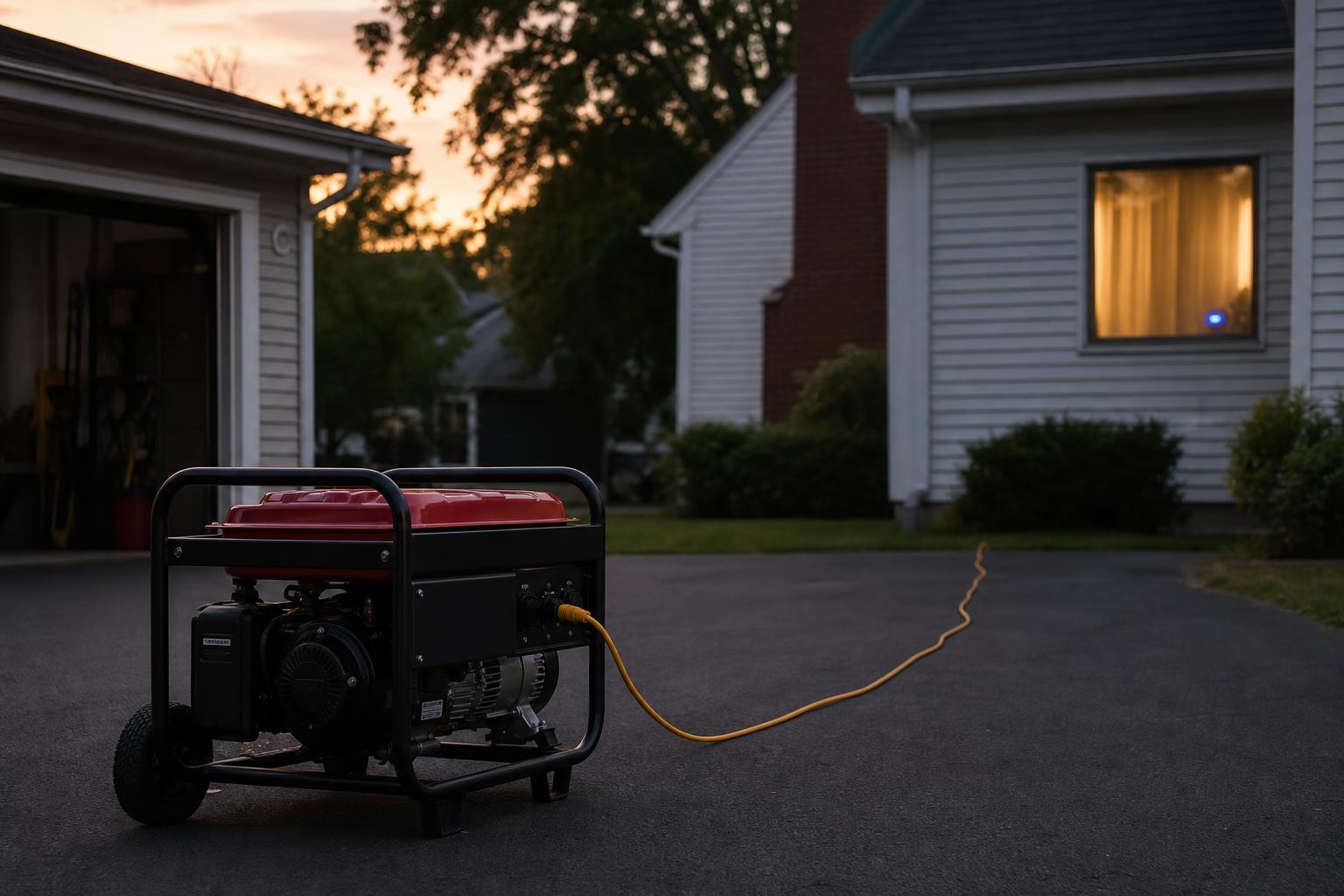
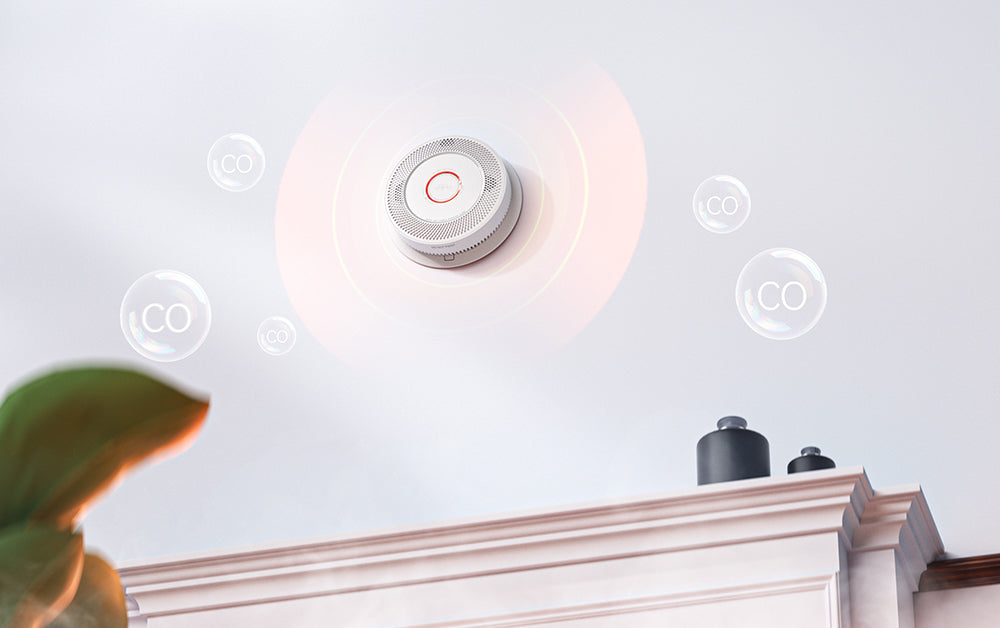
A combination smoke and CO alarm detects both photoelectric smoke and electrochemical carbon monoxide in a single unit mounted in a single location. The CO detection component matters critically for interconnected systems because carbon monoxide events — from a failing furnace heat exchanger, a vehicle left running in an attached garage, a generator used indoors during a power outage — produce no visible smoke and no flames. A home that relies exclusively on smoke detectors is running without any CO early warning system unless separate CO sensors are installed.
When combination alarms are interconnected, a CO event in the basement triggers audible alerts throughout the entire home, including every sleeping room. The NFPA distinguishes the alarm tones deliberately: CO alert sounds four pulses, then a pause, then four more pulses — distinct from the continuous tone used for smoke events. Combination alarms programmed to NFPA standards broadcast both hazard types with different patterns, so occupants know whether to evacuate immediately or to locate and shut down a suspected CO source.
For most households replacing aging standalone smoke detectors, switching to interconnected combination smoke and CO alarms provides the highest single-unit improvement to life-safety coverage available today — two hazard types, whole-house notification, one device category to manage.
June Is National Safety Month — This Is the Right Week to Act
June is National Safety Month, the annual campaign coordinated by the National Safety Council with support from federal agencies including the CPSC. Home fire safety is a consistent focus of the campaign, and the timing aligns with a seasonal risk inflection point: the 4th of July weekend, approximately three weeks out, is the single highest-risk 24-hour period for residential fires in the United States. The NFPA reports that fireworks cause an estimated 10,500 fires annually, with the July 4th window accounting for a disproportionate share. An interconnected alarm network provides no protection against a firework landing on a dry roof — but it provides maximum lead time once ignition does occur.
Summer also brings increased cooking activity, outdoor grills moved close to structures, and homes left unoccupied for travel with appliances left plugged in. Each of these variables introduces fire ignition risk that is compounded by any gap in the notification system.
A Room-by-Room Placement Framework
NFPA 72 and the International Residential Code establish minimums. The following framework gives most single-family households a practical starting point for interconnected coverage:
- Each sleeping room: A smoke alarm mounted on the ceiling or high on the wall within every bedroom ensures that even an occupant sleeping with the door closed receives direct, close-range notification.
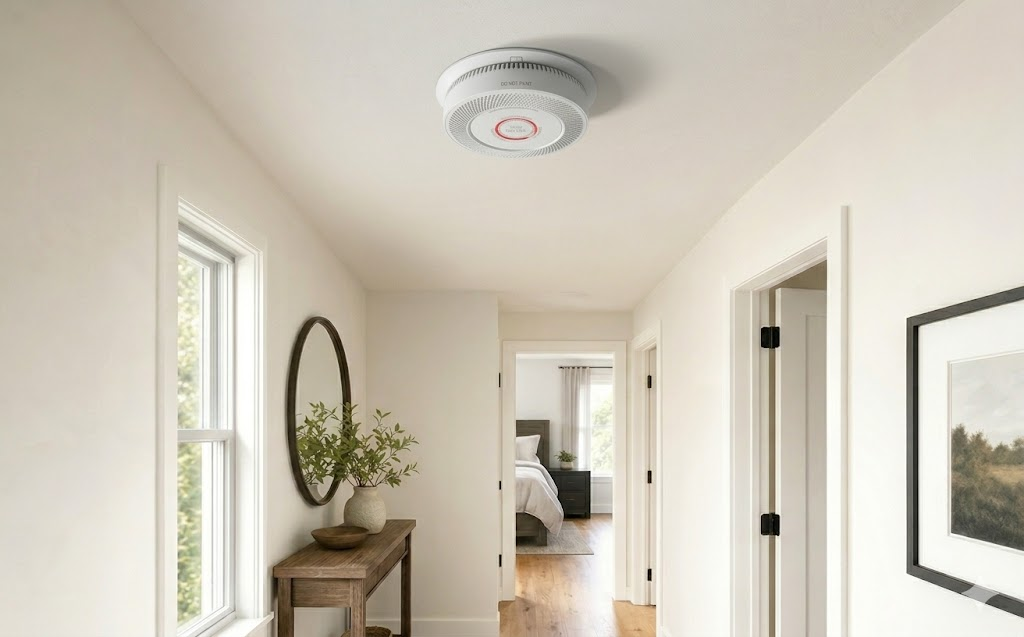
- Outside each sleeping area: A detector in the hallway connecting bedrooms provides a redundant early-warning layer for those who sleep with doors ajar.
- Every level of the home: This includes the basement, the main living floor, and any finished attic space. A basement-only alarm that is not interconnected provides no upstairs notification until smoke rises through the structure.
- Near kitchens, not in them: Cooking generates steam, grease aerosols, and temperature spikes that trigger nuisance alarms. The NFPA recommends placing the nearest smoke alarm at least 10 feet from cooking appliances to reduce false trips while maintaining coverage.
- Near the garage interior door: For homes with an attached garage, a CO-capable alarm near the door between the garage and the living space is the first line of defense against vehicle exhaust or power-tool emissions migrating into occupied areas.
For a typical three-bedroom, two-story home, this framework usually calls for five to seven interconnected units. At current retail pricing, a complete wireless interconnected setup with combination smoke and CO alarms and sealed batteries is a weekend project, not a contractor engagement.
Making This Happen Before the Risk Window Opens
The barrier to building an interconnected smoke alarm network is not technical knowledge, cost, or time. It is the persistent tendency to deprioritize tasks whose consequences are invisible until they are catastrophic. Smoke detector inertia is real: people check the box mentally when the first alarm goes on the wall, and the box stays checked until something goes wrong.
The NFPA estimates that working smoke alarms cut the risk of dying in a reported home fire by roughly half. Interconnected alarms close the largest remaining gap in that equation by ensuring no one in the house is acoustically isolated from the alert. Combining interconnection with combination smoke and CO detection, 10-year sealed battery reliability, and correct room-by-room placement covers the primary life-safety threats facing a US household — fire, CO poisoning, and alarm failure from dead batteries — with a single coherent system.
One alarm in the hallway is better than nothing. It is not better than a network that actually reaches the people it is supposed to protect.