Halloween is all about creative costumes, glowing pumpkins, and over-the-top decorations. Before you turn your porch into a haunted house, take a few minutes to check for potential fire hazards.
According to the National Fire Protection Association (NFPA), an average of 835 home structure fires per year involved decorations between 2020 and 2024. Nearly half (47%) happened because decorations were too close to a heat source, and about one-third involved candles.
A few simple precautions can help keep your Halloween decorations fun without adding unnecessary fire risks.
Choose Flameless Lights for Your Jack-o'-Lanterns
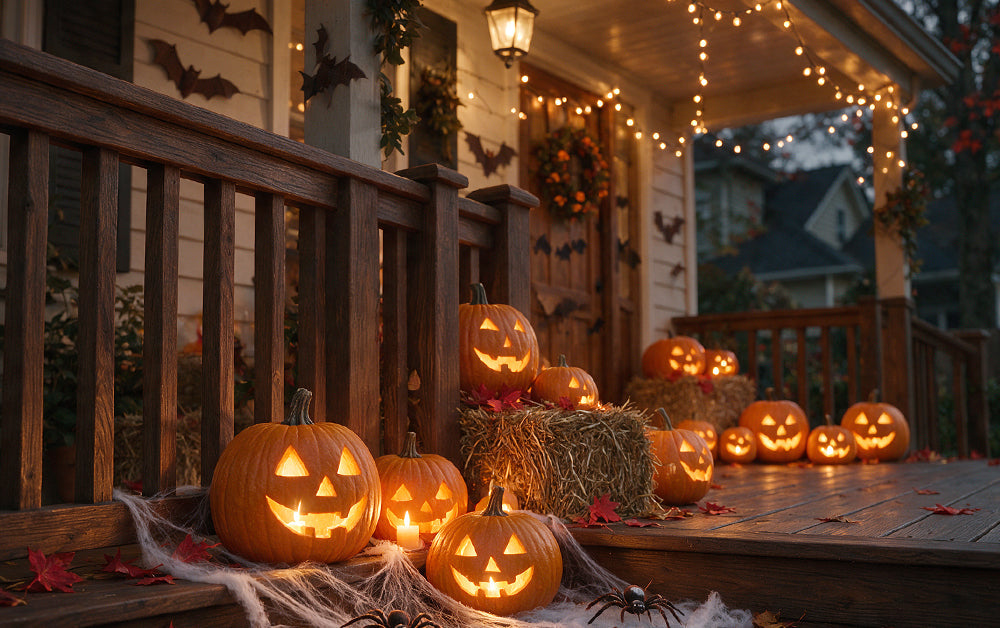
A glowing jack-o'-lantern is a Halloween classic, but an open flame can easily ignite nearby decorations, dry leaves, or a costume that brushes against it.
Choose battery-operated candles or LED lights instead. They give pumpkins that familiar flickering glow without an exposed flame. Glow sticks are another option, especially for outdoor displays.
If you do use real candles, place pumpkins on stable surfaces away from walkways and anything that can burn. Keep lit candles within sight, never leave them unattended, and extinguish them before leaving the room or going to bed. Keep children away from open flames, too.

Keep Decorations at Least 3 Feet from Heat Sources
Fake cobwebs, paper decorations, fabric, dried cornstalks, and other Halloween favorites can catch fire if they get too close to heat.
Before setting up your display, check what's nearby. Keep decorations at least 3 feet away from heat sources, including candles, fireplaces, space heaters, and other hot equipment.
Don't forget about less obvious spots, such as heat vents, light bulbs, and outdoor lighting fixtures. Avoid draping fabric over lamps or placing decorations where they could come into contact with hot surfaces.
A quick walk-through of your home and porch can help you spot potential hazards before Halloween night.
Check Your Halloween Lights and Extension Cords
String lights and animated decorations can bring your Halloween display to life, but damaged cords and unsafe electrical connections can create hazards.
Before plugging anything in, take a moment to:
- Inspect cords and plugs. Look for frayed wires, cracked sockets, exposed wiring, or loose connections. Replace damaged lights and cords rather than attempting makeshift repairs.
- Use outdoor-rated products outside. Check the product label to make sure your lights and extension cords are designed for outdoor use.
- Use GFCI-protected outlets outdoors. Ground-fault circuit interrupter (GFCI) protection helps reduce the risk of electric shock in areas where moisture may be present.
- Avoid overloaded outlets. Follow the manufacturer's instructions for connecting decorations and extension cords.
- Turn decorations off when you're done. Switch off electrical decorations before going to bed or leaving home.
When buying new lights, look for certification from a recognized testing laboratory, such as UL or ETL. A little preparation can help you enjoy your display with fewer electrical safety concerns.
Keep Porches, Stairs, and Walkways Clear
On Halloween night, your front porch can get busy fast. Children may be carrying treat bags, costumes can limit visibility, and decorations can make familiar walkways harder to navigate.
Before trick-or-treaters arrive, make sure your entrance is ready for foot traffic.
- Move extension cords, garden tools, and loose decorations out of walkways.
- Clear stairs and paths of dry leaves and other trip hazards.
- Keep large inflatables and decorations away from doorways and exits.
- Check that your porch light works and that steps are easy to see after dark.
Keep all exits clear of decorations. If there's an emergency, everyone in your household needs a clear path out.
If you use pathway lights, choose products rated for outdoor use and position them so they don't create additional obstacles.

Test Your Smoke and Carbon Monoxide Alarms
Before the trick-or-treating begins, take a moment to check the alarms that help protect your family every day.
For smoke alarms: Press the test button on your alarms and make sure everyone in the home can hear them. The U.S. Fire Administration recommends having smoke alarms inside every bedroom, outside each separate sleeping area, and on every level of the home, including the basement. It also recommends testing smoke alarms at least once a month.
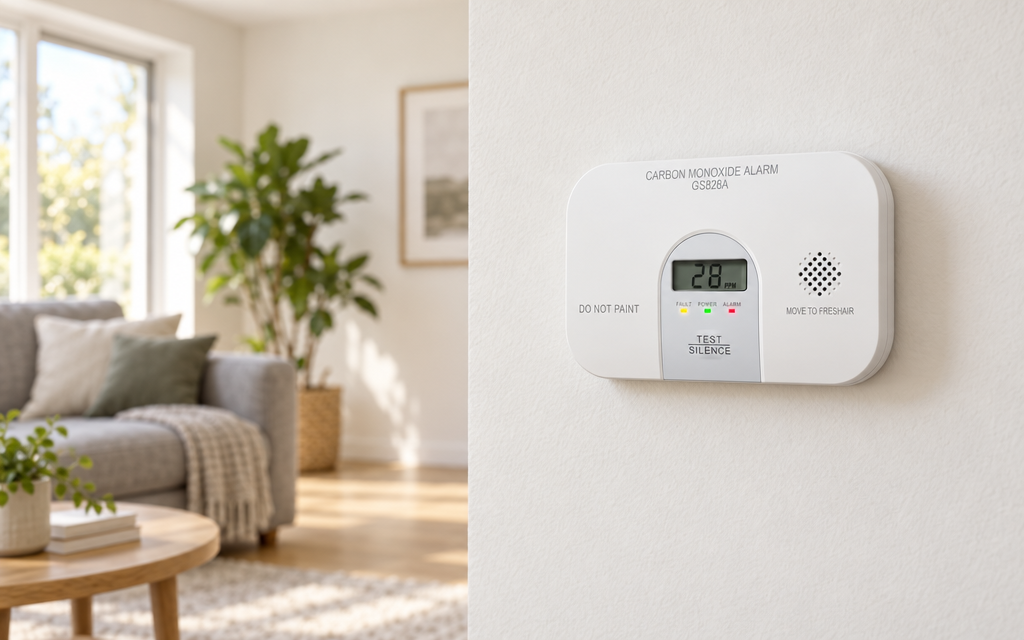
For carbon monoxide (CO) alarms: Make sure you have CO alarms outside each separate sleeping area and on every level of your home, following the manufacturer's instructions and applicable local requirements.
Smoke alarms alert you to smoke from a fire, while CO alarms detect carbon monoxide, an odorless, invisible gas that can be dangerous. Both are important parts of a home safety plan.
It's also a good time to review your family's fire escape plan. Make sure everyone knows two ways out of each room when possible, where to meet outside, and what to do when an alarm sounds.

Keep Halloween Fun, Festive, and Fire-Safe
You don't have to give up the spooky decorations to make your home safer for Halloween. Choose flameless pumpkin lights, keep decorations away from heat sources, check electrical cords, clear your walkways, and make sure your smoke and CO alarms are ready to do their jobs.
A few minutes of preparation can help your family enjoy the costumes, candy, and neighborhood fun with greater peace of mind.
Explore Siterwell’s home safety solutions to help protect what matters most, this Halloween and all year long.