

Emergencies can happen with little warning. A wildfire can change direction, a hurricane can knock out power, or a severe storm can send everyone scrambling for a safe place.
You can't predict exactly what your family will face. But you can make sure everyone knows what to do before something happens.
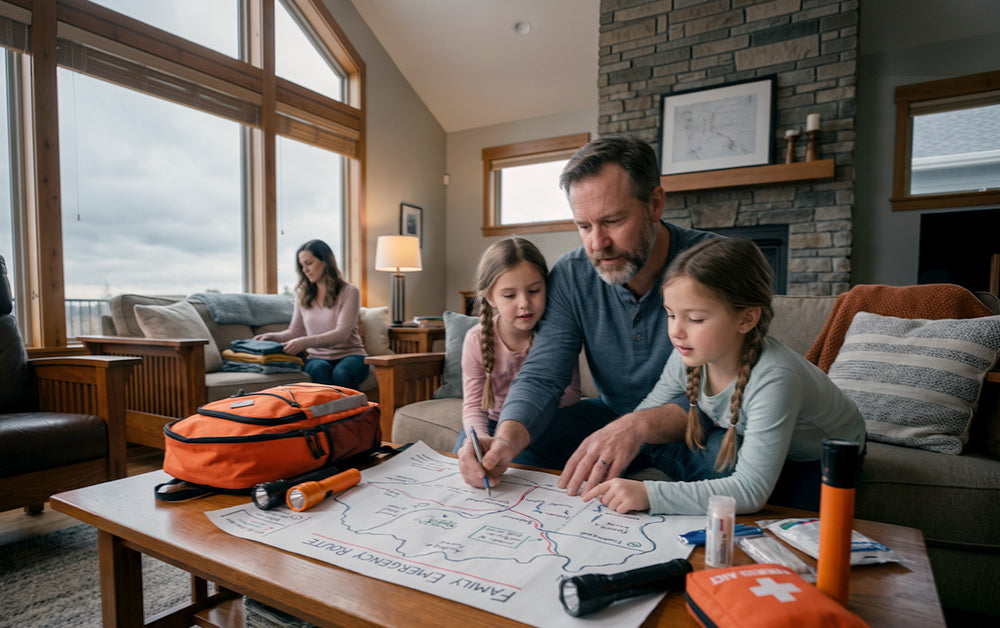
A good family emergency plan doesn't have to be complicated. Start with your home, walk through each room, and think about where your family would go, how you'd get out, and what you'd need along the way.
Before you walk through your home room by room, make sure your family can answer four basic questions:
Where do we go?
Choose a meeting place close to home, such as a neighbor's driveway or a nearby landmark. Pick a second location outside your neighborhood in case you need to evacuate farther away.
How do we communicate?
Make sure everyone knows who to contact and how to receive emergency alerts. If cell service is unavailable, have a backup way to communicate or a designated out-of-area contact.
How do we get out?
Know at least two ways out of each room whenever possible. Make sure exits are accessible and that everyone, including children, knows where to go.
What do we take?
Think about the things your household would need most: medications, identification, important documents, chargers, food, water, and pet supplies.

Your Home, Room by Room
Bedroom: Make Sure Everyone Can Wake Up and Get Out
Bedrooms deserve extra attention because a fire or other emergency can happen while everyone is asleep.
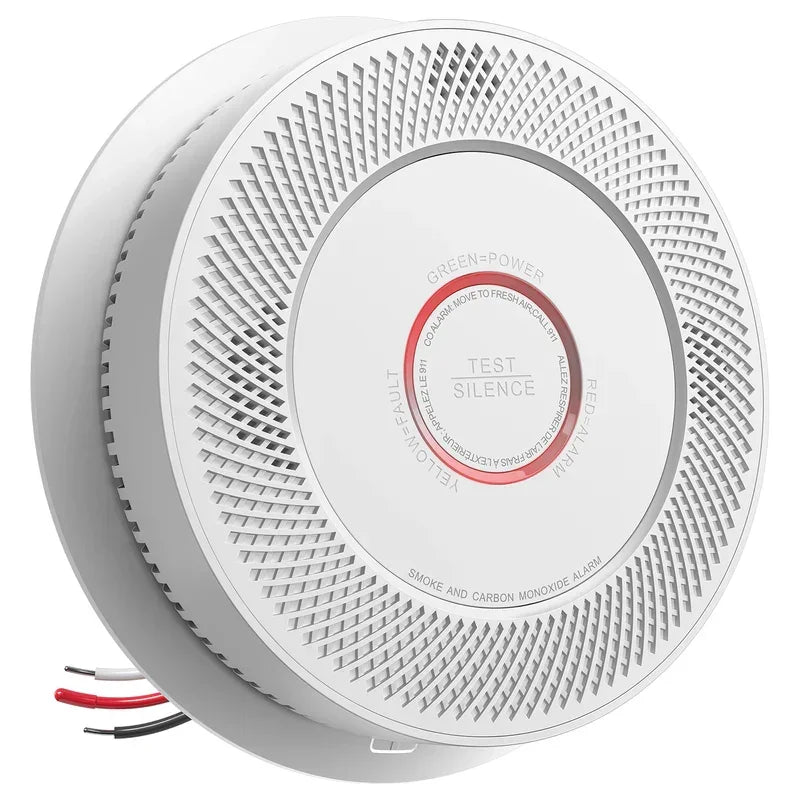
Install smoke alarms in each bedroom, outside sleeping areas, and on every level of your home. Test them regularly and make sure everyone knows what the alarm sounds like.
The U.S. Fire Administration also recommends identifying two ways out of every room and practicing your home fire escape plan.
Think about who may need extra help. Young children, older adults, people with disabilities, and anyone with mobility or hearing challenges may need a different plan.
Kitchen: Plan for Fires, Cooking, and Power Outages
The kitchen is one of the most important places to think about when planning for a home fire.
Keep anything that can catch fire away from stovetops and other cooking appliances. Make sure everyone knows where the fire extinguisher is and what to do if a cooking fire starts.
If you have a grease fire, never use water to put it out. If a fire starts in a pan, turn off the heat if it is safe to do so, cover the pan with a lid, and leave the area if the fire continues or you are unsure what to do.
And if a smoke alarm goes off while you're cooking, don't take out the battery or disable the alarm. USFA specifically advises against disabling smoke alarms because of nuisance alarms.
The kitchen is also a good place to think about emergency food and water. Keep supplies your family will actually eat, and remember to account for infants, older adults, pets, and anyone with dietary restrictions.
Living Room: Pick Your Family Meeting Place
Your family meeting place doesn't need to be far away. It just needs to be easy to remember and safe to reach.
Choose a specific spot outside your home, such as a neighbor's driveway, a mailbox at a safe distance, or another nearby landmark.
Then choose a second meeting place outside your immediate neighborhood in case an evacuation separates your family or you can't return home.
The important part is that everyone knows the plan before an emergency happens.
Hallways and Stairs: Keep Escape Routes Clear
An emergency isn't the time to discover that a hallway is blocked by boxes or that someone left shoes on the stairs.
Walk through your home and keep hallways, stairways, and doorways clear of clutter, furniture, toys, loose rugs, and anything else that could slow someone down.
Check your escape routes during both the day and at night. A power outage or heavy smoke could make familiar spaces much harder to navigate.
If you have young children, older adults, or anyone with mobility limitations at home, make sure the route works for them—not just for the fastest person in the house.
Garage: Be Ready for a Power Outage
For many families, the garage is where emergency supplies, flashlights, tools, car equipment, and generators are stored.
If you use a portable generator during a power outage, remember one critical rule:
Never operate a portable generator inside your home, garage, basement, shed, or any other enclosed or partially enclosed space.
Generators produce carbon monoxide (CO), an invisible, odorless gas that can become dangerous quickly.
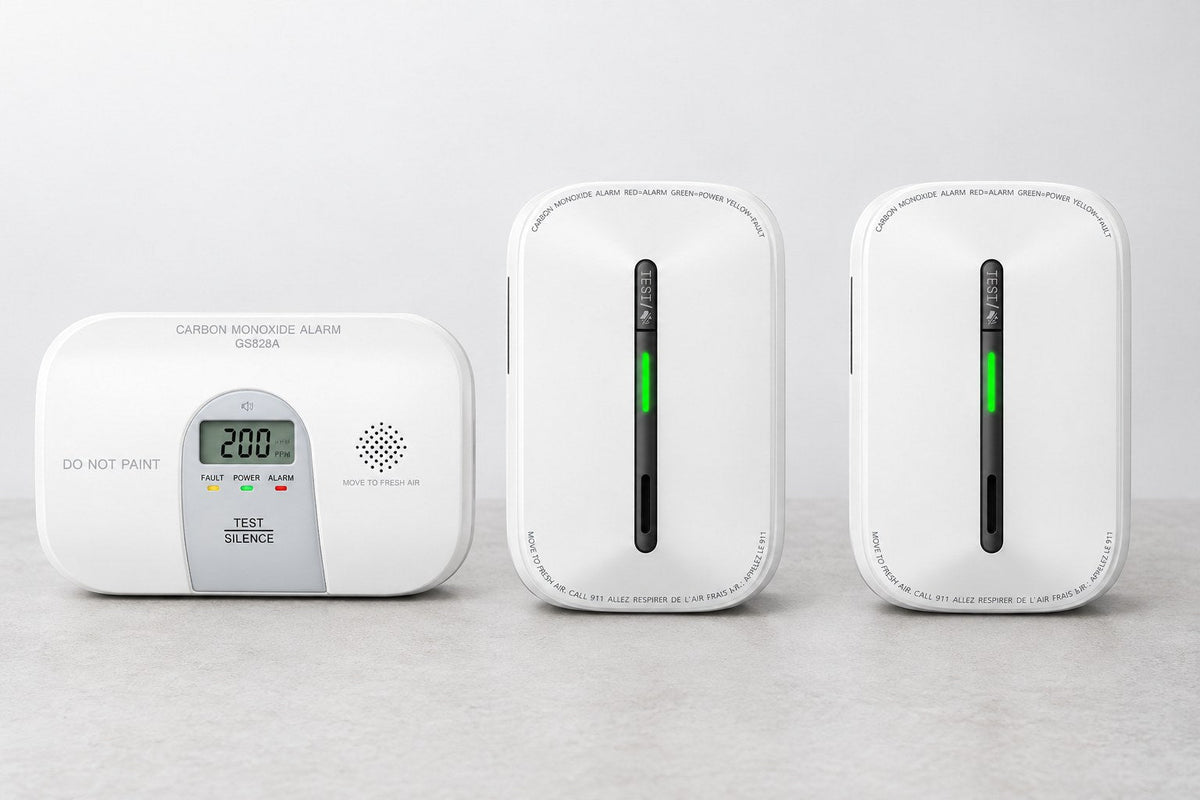
A working carbon monoxide alarm is another important part of home emergency preparedness, especially if your household uses fuel-burning equipment.
Entryway: Create a Grab-and-Go Zone
Set up a launchpad near your primary exit for fast evacuations.
- The 10-Minute Go-Bag: Store an emergency backpack loaded with phone chargers, portable power banks, flashlights, extra keys, and basic first-aid supplies.
- Pet Prep: Keep leashes, harnesses, and pet carriers right by the entryway.
- Home Office: Keep Important Documents Accessible. Some emergencies can damage or destroy important paperwork before you have time to gather it.
Keep copies of important documents such as IDs, insurance information, medical records, financial information, and property records in a secure, waterproof and fire-resistant document container.
It's also smart to keep digital copies in a secure location. Make sure sensitive files are protected with a strong password and, when available, encryption or other security features.

Match Your Emergency Plan to the Risk
The basics of your family emergency plan stay the same, but the response can look very different depending on the hazard.
Wildfire
Know your evacuation routes and identify more than one way to leave your area.
If wildfire smoke is affecting your community, keep windows and doors closed when appropriate, follow local air-quality guidance, and use official evacuation information.
Hurricanes and Tropical Storms
If you live along the Gulf or Atlantic coasts, hurricanes and tropical storms can bring more than strong winds.
Your plan may need to account for flooding, storm surge, extended power outages, road closures, and evacuation.
Know your evacuation zone and route before a storm threatens your area. Secure outdoor furniture and other loose items, monitor official weather alerts, and know where your family would go if you needed to leave.
For households farther inland, remember that tropical systems can still bring heavy rain, flooding, tornadoes, and power outages.
Severe Thunderstorms and Tornadoes
Severe weather can move quickly, especially during spring and summer.
Know where your household would shelter during a tornado warning or severe storm. A basement is generally preferred when available. Otherwise, choose a small interior room on the lowest floor, away from windows.
Keep weather alerts enabled on your phone and know the difference between a watch and a warning.
Extreme Heat
Extreme heat can become especially dangerous when the power goes out.
Have a plan for staying cool, keep drinking water available, and know where you could go if your home becomes too hot.
Check on older adults, young children, people with certain health conditions, and anyone else who may be more vulnerable to extreme heat.
Power Outages
A short outage may only require flashlights and a charged phone. A longer outage can affect heating, cooling, food, medical equipment, and communication.
Keep flashlights, backup batteries, power banks, medications, food, and water on hand.
If your household relies on medical equipment or other essential devices that require electricity, make a backup plan before an outage happens.
And if you use a generator, make carbon monoxide safety part of that plan.

Make Your Emergency Plan Work in Real Life
Preparedness isn't about predicting the future—it's about removing panic from the first critical moments of a crisis. Take a few minutes to review your exit routes, make sure everyone knows the meeting spot, and protect your home with reliable safety technology.
Protect What Matters Most with Siterwell
Early detection saves lives. Explore Siterwell Smart Home Safety Devices—from UL-certified smoke and carbon monoxide detectors to interconnected safety systems designed to keep your family safe, informed, and prepared when seconds count.