Summer storms hit fast. One minute you're sitting on the patio enjoying a warm afternoon, and the next, a sudden line of severe thunderstorms or a heatwave takes down the power grid.
When the lights go out, a portable generator is a life-saver. It keeps your groceries cold, keeps your phone charged, and powers a fan or AC unit so the kids aren't miserable in the heat.
But there’s a quiet hazard that comes with generator season: Carbon Monoxide (CO) poisoning.
Here is why it happens—and how to keep your family safe this storm season.

The Mistakes Most People Make (Without Realizing It)
When the power cuts out, nobody is thinking about safety manuals. You're just trying to get power back on as fast as possible.
In the rush, it's easy to make a quick placement mistake:
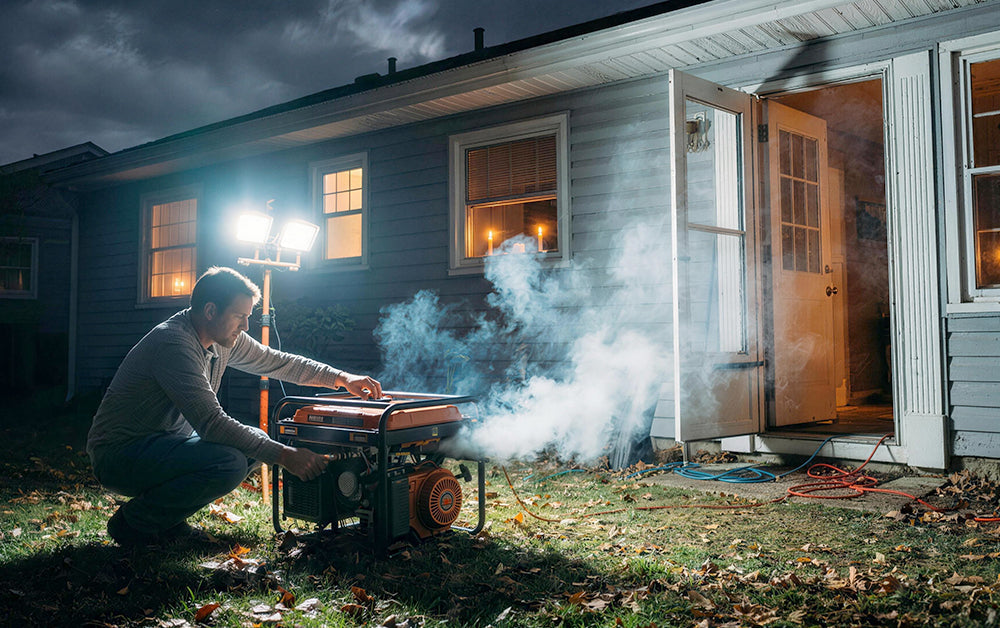
1. Tucking it under a covered patio to keep it out of the rain.
2. Running it inside an open garage, thinking the open door provides enough airflow.
3. Placing it too close to the house so the extension cords can easily reach inside.
Here’s the problem: A single portable generator puts out as much carbon monoxide as hundreds of cars running at the same time.
Even if the unit is outdoors, invisible fumes easily drift inside through open windows, garage vents, or doorway gaps. Because carbon monoxide is completely odorless and invisible, you won't smell or see it coming.
To make matters worse, early symptoms like headaches, dizziness, and nausea look a lot like standard heat fatigue—making it easy to ignore until it's a serious emergency.
3 Simple Rules for Safe Generator Use
If you're cranking up a generator this summer, stick to these basics:
1. Keep it 20 feet away: Always place your generator at least 20 feet from your home, doors, and windows.
2. Point the exhaust away: Direct the exhaust stream away from your house and neighboring structures.
3. Never run it enclosed: Keep it out of garages, sheds, basements, and covered porches—no matter how wide open the doors are.

Why a Portable CO Alarm Belongs in Your Emergency Kit
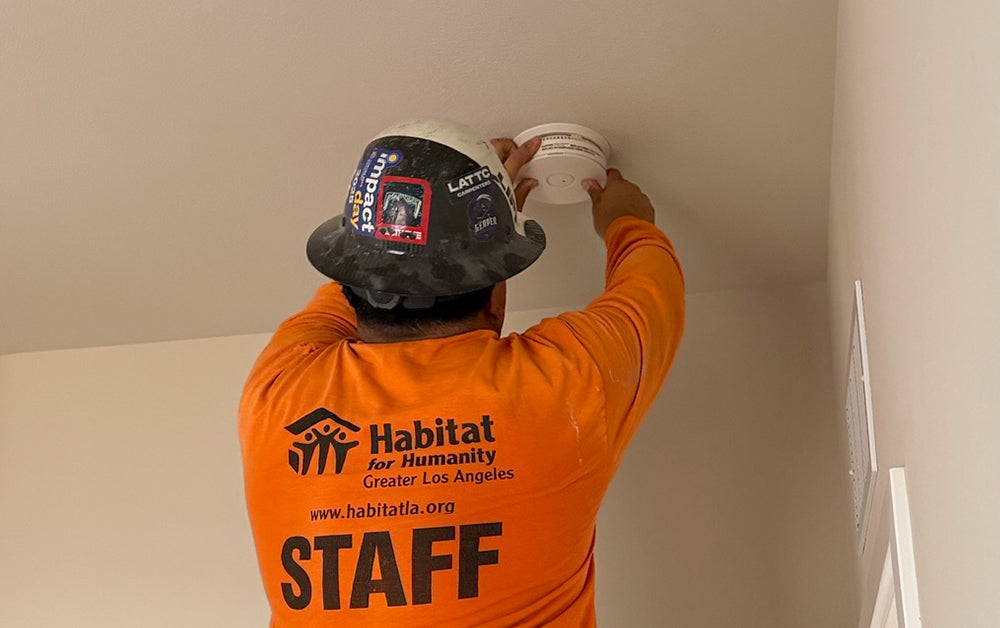
Most homes have standard CO detectors installed on the walls. While those are great for everyday life, they don't always help during an extended storm outage. If your power stays out for days, your family might end up sleeping in a basement, staying in an RV, or crashing at a cabin.
That’s why carrying a portable, battery-powered CO alarm in your blackout kit is one of the smartest moves you can make.
A compact detector gives you flexible protection wherever your family actually ends up spending the night—whether that's a temporary guest bedroom, a camper, a vacation rental, or a tent. It gives you a loud, instant warning long before gas builds up to unsafe levels, giving everyone time to get to fresh air.

Get Ready Before Storm Season Hits
Don't wait for the power to cut out to think about storm safety. Set your generator up at a safe distance, stock your emergency kit, and make sure your family has reliable carbon monoxide protection ready to go.