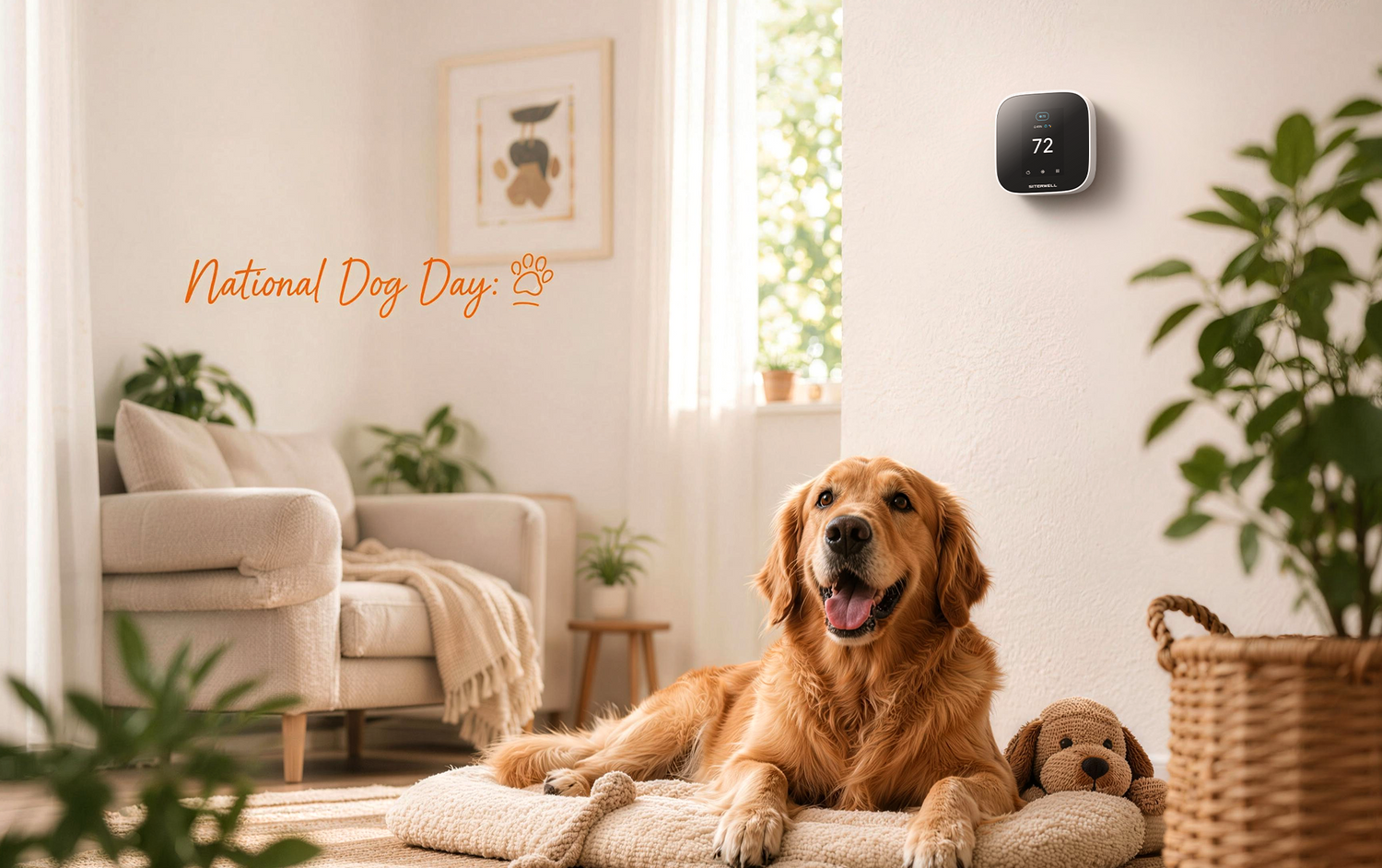
Every year on August 26th, pet lovers celebrate National Dog Day. It honors our canine companions. We recognize rescued pups. We reflect on dogs' special place in our lives. As dog parents, we ensure happy, healthy lives for our dogs. We invest in high-quality food and secure backyards. We buy orthopedic dog beds and interactive toys. Many pet owners overlook dog home safety. What happens to our dogs when we are not home? This is a critical scenario. You may be out for work or errands. Maybe you are enjoying a night out. Ensuring your home is a secure, automated haven is essential. Create a safer, more comfortable home for your pup. Do this on National Dog Day.
1. Fire and Gas Safety: Protecting Pets Who Can't Call 911.
Humans recognize danger and call emergency services. Dogs rely on owners to detect hazards. Owners must get them out safely. The NFPA reports that 500,000 pets are affected by home fires yearly. Roughly 40,000 pets die in these fires. Most deaths are from smoke inhalation.
Carbon Monoxide (CO) Exposure: Dogs often sleep on the floor. Cool air settles there. They also sleep near heating appliances. Carbon monoxide leaks affect pets rapidly. Early signs include lethargy and sudden vomiting. Unsteadiness or severe weakness are also signs.
Smoke Inhalation Risks: Smoke rises in an enclosed home. Toxic gases and oxygen depletion spread quickly. Pets in back bedrooms face severe risks. This also applies to pets in crates. Early detection and alerts are crucial.
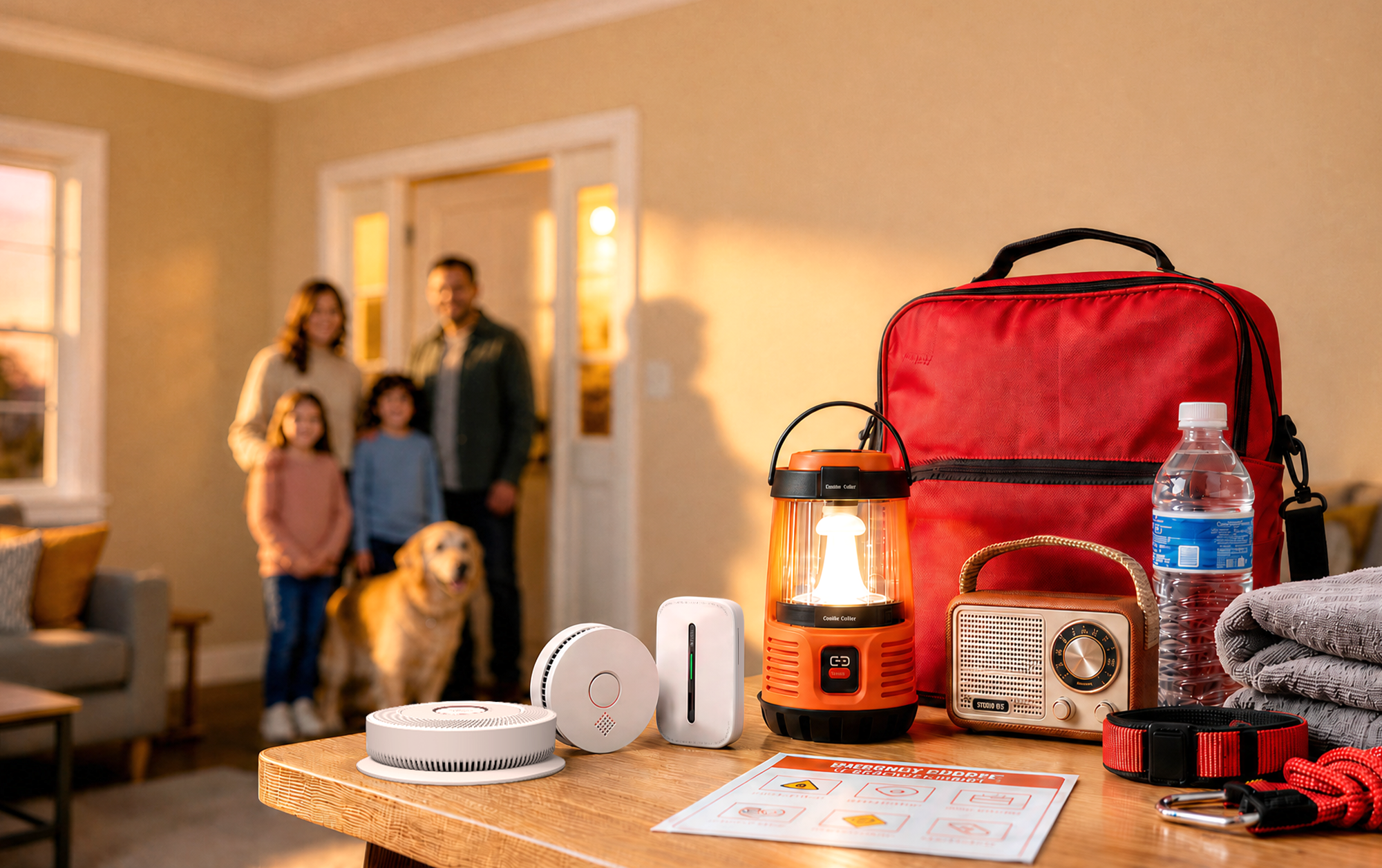
Pet Safety Tip: Equip every floor with alarms. Place them where your dog sleeps. Ensure functional smoke and carbon monoxide alarms. Test these devices monthly. This is a simple, life-saving habit for your pets.

2. Managing Indoor Climate: Preventing Thermal Stress in Dogs.
Dogs cannot regulate body temperature via sweat glands. They cool through panting. Heat release from paw pads also helps. An overheating home causes heatstroke. A freezing draft causes hypothermia. Dogs suffer faster than humans.
Signs of Temperature Distress in Dogs:
- Signs of Overheating include heavy, rapid panting. Excessive drooling is another sign. Bright red or pale gums indicate distress. Lethargy or unresponsiveness are serious.
- Signs of Chilling/Cold include shivering or trembling. Curling into a tight ball is common. They seek hidden corners/rugs. Cold paws and ear tips are also signs.
To maintain a pet-safe indoor environment while you are away:
- Maintain Stable Temperatures. Keep indoor temperatures between 68°F and 75°F. This is for most short-to-medium-haired breeds. Brachycephalic breeds need cooler, well-ventilated settings.
- Automate Seasonal Setbacks: Use programmable or app-connected climate scheduling. This ensures heating or AC never shuts off. It protects your dog, even if you are delayed.

3. Creating a Pet-Safe Emergency Plan.
Install reliable residential safety hardware. Every pet-owning household needs a response routine.
- Display a Pet Rescue Window Decal. Place a window cling near your front door. State how many pets live inside. This alerts firefighters during a rescue.
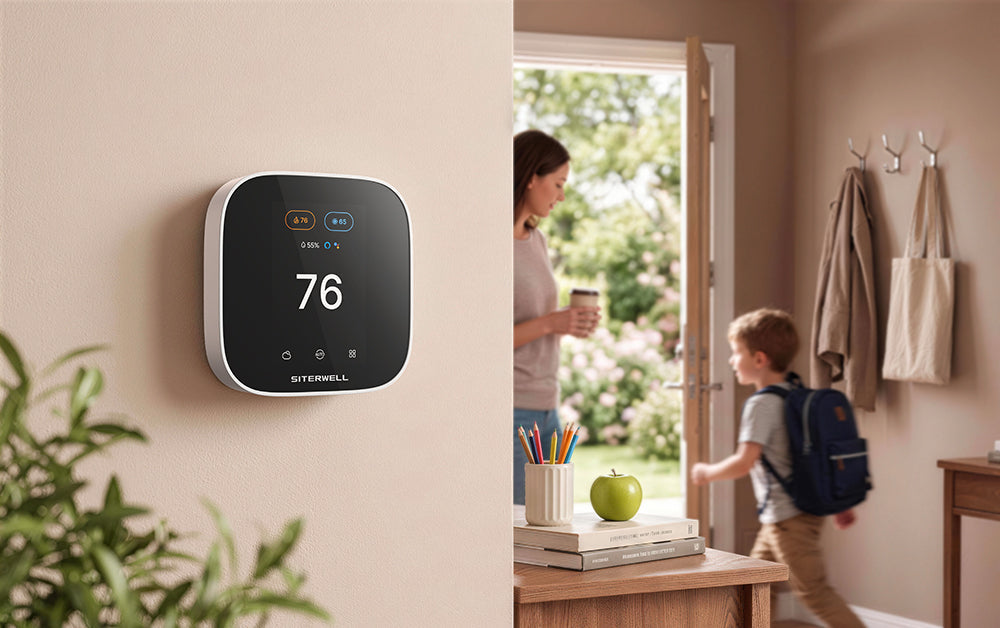
- Monitor Indoor Comfort Remotely. Pair your climate system with a smart thermostat. Remote access provides instant phone alerts. Get alerts for temperature spikes or cold snaps. HVAC malfunctions also trigger alerts. This gives you immediate visibility to protect pets.
- Build an Emergency Pet Kit. Keep a dedicated bag near the exit. Include extra leashes and a 3-day food supply. Medications and vaccination records are important. Add a familiar blanket.

Celebrate National Dog Day with Peace of Mind.
Our dogs bring unconditional love. They bring endless joy and companionship every day. This August 26th, celebrate National Dog Day. Give extra treats and belly rubs. Also, audit your home’s safety environment.
Prioritize reliable hazard detection and automated climate comfort. You give your pets the safest home possible. This provides complete peace of mind when you leave.
Discover how Siterwell’s smart products help. They provide total peace of mind, at home or away.