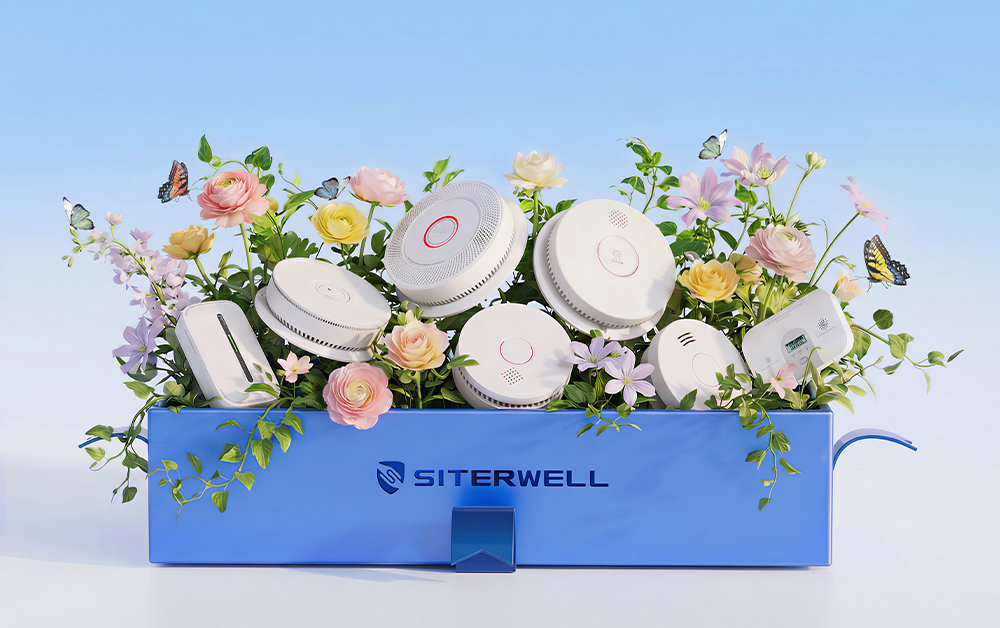
When it comes to home safety, choosing the right alarm isn't just a home improvement task—it’s a life-saving decision. With evolving fire safety standards and stricter state regulations (like the 10-year battery mandates in California and New York), 2026 is the year to upgrade your home’s defense system.
In this guide, we’ll break down the best smoke and carbon monoxide detectors, explain hardwired vs. battery-powered systems, and help you choose what’s right for your home.
What’s Changed in 2026?
Home safety technology—and regulations—are evolving. Here’s what matters this year:
1. 10-year sealed batteries are becoming the standard (and legally required in some states)
2. Interconnected alarms are now strongly recommended for whole-home protection
3. Modern sensors are designed to reduce false alarms, especially from cooking
Bottom line: Older alarms (especially 8–10+ years old) may no longer meet today’s safety expectations.

Top Recommendations by Category
1. Best Overall: The "All-in-One" Solution
If you want the maximum level of protection with the least amount of maintenance, a Combo (Smoke + CO) Alarm is the way to go.
Our Top Pick: Siterwell Standalone Smoke & CO Detector
Why it stands out:
- 10-year sealed battery → no more middle-of-the-night low battery chirps
- Detects both fire and invisible carbon monoxide
- Simple setup—install once and forget it
- Meets UL 217 and UL 2034 safety compliance
Best for New Constructions: Siterwell Hardwired Interconnected Smoke & CO Detector
Why it stands out:
- Stable wired connection for instant alerts
- Ideal replacement for older hardwired systems
- Consistent, whole-home coverage

2. Best for Whole-Home Safety: Interconnected Alarms
The National Fire Protection Association (NFPA) recommends that when one alarm sounds, they all should. This is crucial for large or multi-story homes.
Wireless Convenience: Siterwell Wireless Interconnected Smoke & CO Detector
Why it stands out:
- No wiring required—perfect for DIY installation
- All alarms sync instantly across the home
- Great for upgrading older houses
Professional Reliability: Siterwell GS886F-H02 Hardwired Interconnected Smoke & CO Detector
Why it stands out:
- Hardwired for constant power
- Replaceable backup battery for outages
- Meets modern building code expectations

3. Best Budget-Friendly Smoke Alarms
If you are looking to outfit multiple rooms (like guest bedrooms) with reliable smoke detection on a budget:
10-Year Battery Option: Siterwell GS525A Smoke Alarm
Why it stands out:
- Slim, low-profile design
- 10-year battery = zero maintenance
- Easy install anywhere
Best for: Guest rooms, rentals, quick upgrades
Reliable Everyday Protection: Siterwell GS509A Photoelectric Smoke Alarm
Why it stands out:
- Better at detecting slow, smoldering fires (most common in homes)
- Fewer nuisance alarms from cooking
- Ideal for daily living environments
Best for: Kitchens, living rooms, near bedrooms

How to Choose the Right Alarm for Your Home
Step 1: Check Your Power Source
Hardwired: Connected to your home's electrical grid. Most modern US homes (built after 1990) require these. Look for models with battery backups to keep you safe during storms.
Battery-Operated (Standalone): Ideal for older homes or areas where wiring isn't available. Always look for 10-year sealed batteries to comply with modern laws.
Step 2: Understand the Sensors
Photoelectric: Best at detecting smoldering fires (e.g., a cigarette on a sofa). Most Siterwell models use this to reduce "nuisance alarms" from cooking smoke.
Carbon Monoxide (CO): An odorless, colorless gas. Every home with fuel-burning appliances (gas stove, fireplace, furnace) or an attached garage must have CO detectors.
Step 3: Location, Location, Location
- Every Bedroom: Required by most state laws.
- Outside Sleeping Areas: In the hallway.
- Every Level: Including the basement.
Pro-Tip: Place alarms at least 10 feet (3 meters) away from cooking appliances to avoid false alarms.

Final Verdict: Smarter Protection Starts with the Right Alarm
From standalone detectors to fully interconnected systems, today’s smoke and CO alarms are designed to fit every type of home. Choosing a modern system means better protection, fewer false alarms, and greater peace of mind for you and your family.
For most American families, we highly recommend the Siterwell Wireless Interconnected Combo. It bridges the gap between professional-grade safety and DIY simplicity—ensuring that whether a fire starts in the garage or the kitchen, everyone in every bedroom is alerted instantly.
Don't wait for the "chirp"—upgrade your home's safety today.