Early fall is a good time to get your home ready for the heating season. Summer is winding down, temperatures are starting to cool, and before long, many households will be turning on the heat for the first time in months.
A quick walk-through now can help you catch small issues before they become bigger problems. From your HVAC system and windows to smoke and carbon monoxide alarms, these are five areas worth checking as you get your home ready for the season ahead.
Here’s a simple fall home safety checklist to get started.
01 HVAC Filter and System Check
Your HVAC system has likely been working hard all summer. Before the heating season gets into full swing, check the air filter and make sure the system is ready for the change in weather. During heavy-use months, check the filter every month—and replace it at a minimum every three months, or sooner if you have pets or allergies.
A clean filter isn't just about efficiency. It improves indoor air quality, reduces strain on your system, and lowers your monthly energy bill. It’s also a good time to schedule a professional heating-system checkup if yours is due for seasonal maintenance. ENERGY STAR recommends having heating and cooling equipment professionally checked before the seasons when you’ll rely on it most.

02 Test Every Smoke and Carbon Monoxide Detector
This is one of the easiest things to overlook.
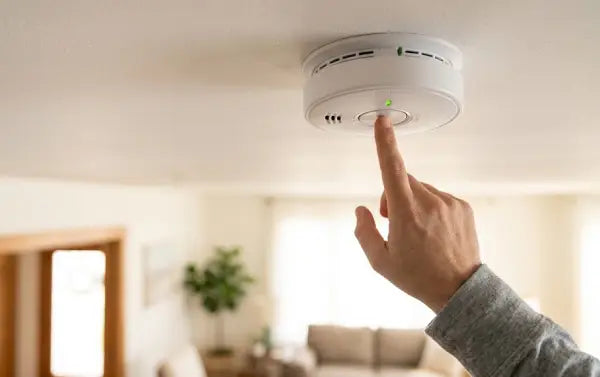
Walk through your home and test every smoke alarm and carbon monoxide (CO) alarm. Make sure each one responds properly when tested, and check the date on the back of the unit.
According to NFPA 72, smoke alarms should not remain in service for more than 10 years from the date of manufacture, unless the manufacturer's instructions specify otherwise. Combination smoke/CO alarms have their own replacement requirements, so always follow the product's instructions.
For CO alarms, check the manufacturer's replacement date or end-of-life indicator. NFPA also recommends installing CO alarms in a central location outside each separate sleeping area and on every level of the home, along with any additional locations required by local codes.
03 Check Windows and Doors for Drafts
Once temperatures start dropping, small gaps around windows and exterior doors can become noticeable.
Walk around your home and check for drafts around door frames, window frames, and other openings to the outside. If you feel cool air coming in, the weatherstripping or caulking may need attention.
Sealing air leaks can help keep conditioned air inside and reduce the amount of work your HVAC system has to do. ENERGY STAR also recommends sealing air leaks around windows and doors as part of improving home energy efficiency.
Look for:
- Gaps around exterior doors
- Cracked or worn caulking
- Damaged weatherstripping
- Drafts around window frames
These are relatively small fixes, but they can make your home more comfortable once the weather turns colder.

04 Give Your Roof and Gutters a Quick Look
Fall means changing leaves, rain, and eventually winter weather in many parts of the country. Before those conditions arrive, take a look at your roof and gutters.
From the ground, check for obvious signs of damage such as missing or damaged shingles, visible cracks, or debris buildup. Check your gutters and downspouts for leaves and other debris that could prevent water from draining properly.
You don't need to climb onto the roof to do a basic inspection. If you spot something that looks damaged or you're not comfortable checking it yourself, have a qualified professional take a closer look.
05 Walk Through Your Home Like a Guest
This last check doesn't require any tools.
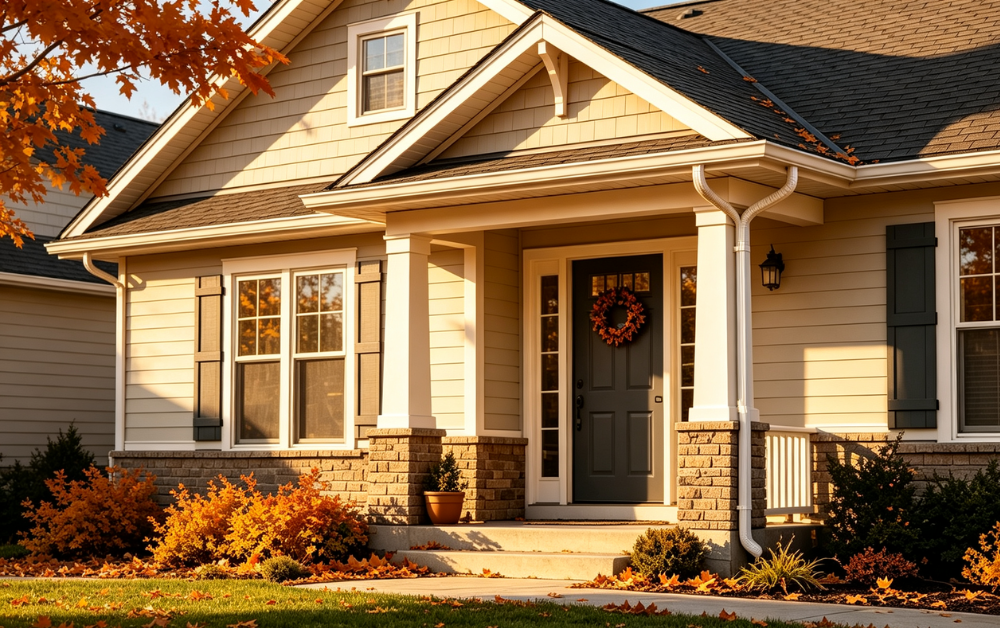
Start outside and walk toward your front door as if you're seeing your home for the first time. Then walk through the main living areas and look for small things that may have been overlooked during the busy summer months.
Is the walkway well lit? Are there loose handrails? Are extension cords or charging cables creating trip hazards? Are hallways and exits clear?
This is also a good opportunity to check that everyone in the household knows the basic escape routes and where to meet outside in case of a fire.

Before You Turn On the Heat: The Heating Equipment Check
The five checks above keep your home running well. This one is about keeping it safe.
Heating equipment is the second leading cause of home fires in the United States. According to the U.S. Fire Administration, an estimated 32,200 home heating fires were reported in 2021, causing 190 deaths, 625 injuries, and $442 million in property loss.
Fuel-burning heat carries a second risk that fires alone do not explain. Gas and oil furnaces, water heaters, fireplaces, space heaters, and portable generators all produce carbon monoxide (CO), and the CDC estimates that more than 400 Americans die each year from unintentional CO poisoning that is not linked to fires.
Before the first cold night, do three things:
- Have your heating system, water heater, and any other gas, oil, or coal-burning appliance serviced by a qualified technician once a year. A cracked heat exchanger or a blocked flue can push CO into living space with no smell and no warning, which is why the CDC recommends annual servicing.
- Have your chimney inspected and cleaned once a year. Chimneys can be blocked by debris, nesting material, or creosote buildup, and a blocked chimney sends exhaust back into the house instead of up and out.
- Pay attention to your CO alarms the first time the heat runs. If an alarm sounds, get everyone outside into fresh air and call 911. Treat it as a real event even if the alarm is new and nobody feels sick.
Two heating sources deserve their own warning. Space heaters cause only about 3% of home heating fires but 41% of the fatal ones—keep anything that can burn at least 3 feet away, and turn them off when you leave the room or go to bed. And portable generators should never run inside a home, garage, basement, or shed, even with the doors open. Run them outdoors only, at least 20 feet from the house with the exhaust pointing away.
For more on the CO side of heating season, see why carbon monoxide is the silent threat that arrives with colder weather and why a UL 2034 compliant CO alarm matters.
One More Thing: Take a Look at Your Home Safety Setup
Fall is also a natural time to replace equipment that's reaching the end of its service life.
If your smoke or CO alarms are expired, damaged, or no longer supported by the manufacturer's instructions, start looking for suitable replacements. Choose products that meet applicable safety standards and local requirements, and follow the manufacturer's installation and maintenance instructions.
If your thermostat is outdated, fall can also be a good time to consider an upgrade before you start relying heavily on your heating system.
For example, a smart thermostat can give you more control over heating schedules and help manage comfort throughout the day. ENERGY STAR recommends properly using programmable or smart thermostats as part of an efficient home heating strategy.
Get Your Home Ready Before the First Cold Snap
You don't need to spend an entire weekend doing a major home inspection.
Start with the basics: check your HVAC system, test your smoke and CO alarms, look for drafts, inspect your roof and gutters, and walk through your home with safety in mind.
A little preparation now can make the transition into fall easier and help you head into the heating season with fewer things to worry about.